
Livraison le jour même ou le lendemain

Qualité garantie

Débloquez vos offres de bienvenue: Livraison GRATUITE | Jusqu'à -80 % | 30 jours d'essai gratuits à JoyPlus
Téléchargez l'application
A tidy kitchen and an optimised fridge start with a simple but crucial choice: the right food storage container. Faced with the sheer variety of models available, it's easy to end up with cupboards overflowing with mismatched, impractical containers. Warped lids, stubborn tomato sauce stains, less-than-perfect seals... Sound familiar? Rest assured, these everyday frustrations don't have to be your reality.
This guide is here to arm you against marketing ploys and help you see clearly. Together, we'll break down the criteria that really matter for choosing containers that will fit your needs, whether it's for storing meals, meal prep, or simply bringing order to your kitchen.
Before we talk about solutions, let's review the common disappointments that turn a purchase into a regret.
To avoid these setbacks, here are the technical points to scrutinise.
Glass, plastic, stainless steel... Each material has its pros and cons. The best choice will depend on your specific use case.
A worthy airtight container relies on a foolproof locking system. Lids with four-sided clips and a removable silicone gasket (essential for a perfect clean) are far more reliable over time than lids that simply snap on with pressure. A good seal guarantees preserved freshness, no leaks, and contained odours.
For flawless organisation, nothing beats modular ranges. Containers of different sizes but the same shape nest and stack perfectly. Also, remember to check the pictograms?: compatibility with the freezer, microwave (often without the lid), oven, and dishwasher are the keys to maximum versatility.
To help you visualise these criteria, here are a few options that cater to distinct user profiles.

Why we chose it : The ideal companion for your *meal prep* sessions. Its borosilicate glass allows you to cook, store, and then reheat in a single dish, without ever altering the taste. The 0.8 L size is perfect for an individual portion.
Unlike low-quality plastics, glass is non-porous : it won't stain or absorb any odours. A long-lasting investment.
Total versatility : oven, microwave, freezer, and dishwasher safe. Healthy material : pure glass, guaranteed PFOA-free.
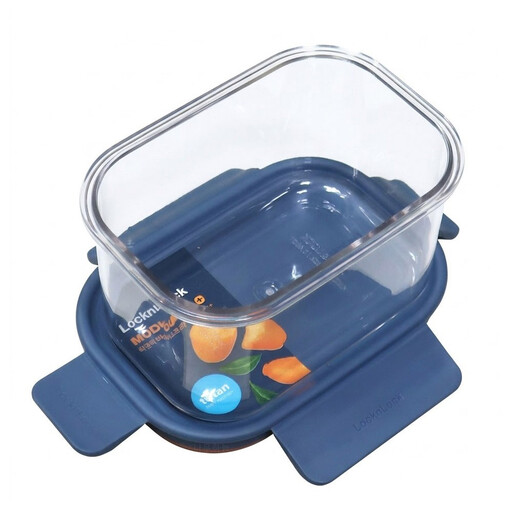
Why we chose it : Perfect for dinner leftovers, a packed lunch, or kids' snacks. Its modular design is a real bonus : the containers stack and nest for maximum space-saving in cupboards and the fridge.
Its modular design is the solution to the storage headache. The four-clip locking system guarantees a much better seal than conventional lids.
Space-saving : stackable and nestable. Reliability : BPA-free polypropylene plastic and a heavy-duty closure.
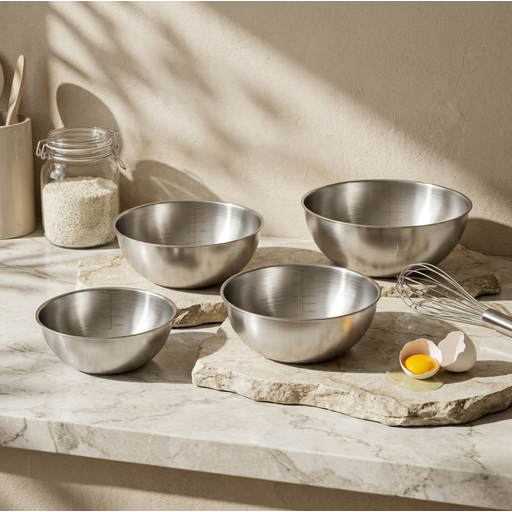
Why we chose it : This set of stainless steel bowls is the ally for all your prep work : whipping egg whites, preparing a marinade, washing vegetables, or simply serving a large salad. They nest inside each other for ultra-compact storage.
Food-grade 304 stainless steel stands up to anything : corrosion, acids... It won't degrade and retains no odours, not even from a garlic marinade!
Durability and hygiene : nearly indestructible material, neutral, and very easy to clean. Kitchen versatility : perfect for mixing, marinating, and serving.
We've curated a full selection of products that meet our quality criteria and safety standards.
Absolutely not! That's the surest way to cause thermal shock and watch your glass dish shatter into a thousand pieces. The golden rule?: always let your frozen dish return to room temperature (or thaw it in the fridge) before putting it in the oven. And when in doubt, read the manufacturer's instructions.
The first thing to look for?: the "BPA-free" or "BPA-Free" label. Opt for plastics known for their food safety, like polypropylene (often identified by the number 5 in a triangle) or Tritan. And as a precaution, never microwave a plastic that isn't explicitly designed for it.
To ensure a long-lasting seal on your airtight container, make a habit of removing the silicone gasket from the lid before washing. A simple hand wash with soapy water, a thorough dry, and you can put it back. This simple step prevents residue and mould from building up and extends the life of your seal.