
Livraison le jour même ou le lendemain

Qualité garantie

Débloquez vos offres de bienvenue: Livraison GRATUITE | Jusqu'à -80 % | 30 jours d'essai gratuits à JoyPlus
Téléchargez l'application
A well-organised kitchen leads to a calmer mind. And yet, choosing a simple food storage container can quickly become a headache. Caught between marketing promises and real-world performance, we often end up with cupboards full of useless boxes. Before you pull out your credit card, it's best to know the common pitfalls to make a purchase that's both truly useful and long-lasting.
I'm the Head of Product Selection at Joybuy, and my mission is simple: to help you see things more clearly. Let's review the mistakes to avoid and the criteria that really matter.
The market is flooded with options, but not all are created equal. Here are three common issues that too often turn a promising purchase into a complete disappointment.
For optimised kitchen storage and perfect preservation, there are three key points to check.
The material determines everything: its use, durability, and ease of maintenance.
The effectiveness of an airtight food container depends entirely on its lid. Systems with clips on all four sides, combined with a quality silicone seal, generally offer the best seal. Check that the seal is removable for deep cleaning, which is essential to prevent mould. For containers for dry foods, a press-on or screw-on lid may be sufficient.
To optimise space, opt for square or rectangular shapes. They fit perfectly in cupboards and the refrigerator. A good food storage container set should feature containers that stack stably and nest inside each other when empty for maximum space-saving. That's the secret to an impeccable pantry.
Because everyone's needs are unique, here are our recommendations for different profiles, selected based on strict criteria for quality and practicality.
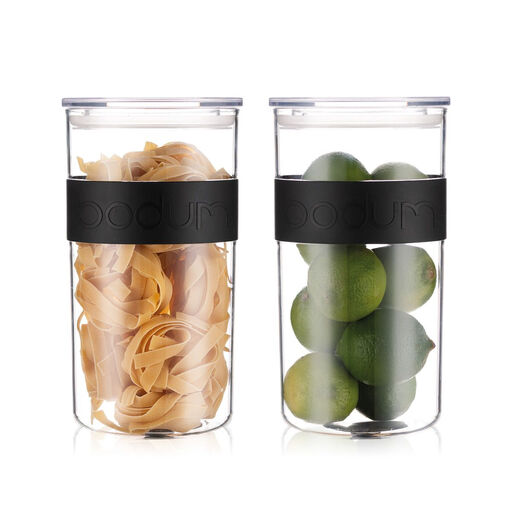
Why we love it: Because practical can also be beautiful. This set combines a minimalist, Scandinavian-inspired design with formidable functionality. It's perfect for displaying on open shelves.
Its precision airtight lid ensures a reliable seal, steering clear of the trap of a seal that wears out. The quality (BPA-free) plastic is designed to last.
Its large 2L capacity is ideal for dry foods (pasta, rice, cereal), all within a modern design that enhances your kitchen.

Why we love it: Perfect for meal prep pros who organise their week's meals. This complete glass set lets you cook, store, transport, and reheat in the very same container.
The non-porous borosilicate glass eliminates any risk of stubborn stains or odours. The clip-on lids guarantee a secure closure, perfect for transport.
Its absolute versatility: it goes from the freezer to the oven, then to the dishwasher. The 10-piece set with various sizes covers all your needs.
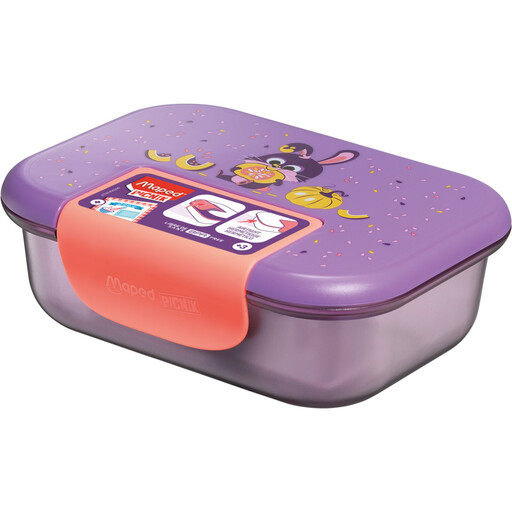
Why we love it: Designed for kids' lunches, this lunch box is sturdy, safe, and easy for little hands to manage. No more drama over a lost lid!
Its stainless steel construction makes it nearly indestructible, standing up to the roughest of school bags. The attached lid puts an end to the recurring problem of missing parts.
Its opening mechanism is designed for children, promoting their independence. Stainless steel is a safe material and cleans in a flash.
Explore our complete selection of products that meet our strict quality criteria and the highest safety standards.
The test is simple: fill the container halfway with water, close it securely, then shake it and turn it upside down over the sink. If not a single drop escapes, you can confidently entrust it with your sauciest dishes.
Yes, but only if it has the specific symbol indicating it's microwave-safe (often represented by small waves). Always remember to remove the lid before heating to prevent pressure from building up. Also, be careful not to overheat very fatty or sugary foods, as they can reach extreme temperatures and damage the plastic, even if it's compatible.
To preserve the elasticity of the silicone seals, it's best to wash the lids by hand, even if the container itself is dishwasher-safe. Make sure everything is completely dry before storing. The pro tip to prevent seals from warping: store your containers with the lid simply placed on top, without clipping it shut.