
Livraison le jour même ou le lendemain

Qualité garantie

Débloquez vos offres de bienvenue: Livraison GRATUITE | Jusqu'à -80 % | 30 jours d'essai gratuits à JoyPlus
Téléchargez l'application
A well-organised kitchen and food that lasts longer isn't a luxury?— it's the result of smart choices. Yet, the market for food storage containers is a jungle of marketing promises that often lead to disappointment?: leaky lids, stained plastics, and storage that descends into chaos.
As the Head of Product Curation at Joybuy, my mission is to help you see clearly. This guide breaks down the essential criteria for a truly useful and durable purchase, and helps you avoid the common pitfalls that clutter up our cupboards.
Before you even look at products, it's crucial to know how to spot the design flaws that can render a container useless after just a few months.
For a kitchen storage solution that delivers on its promises long-term, focus on these three key points.
The choice of material directly impacts the use, maintenance, and lifespan of your containers.
A good seal is what separates a simple box from a true anti-waste ally. Look closely at the lid?: a thick, removable silicone seal (for easy cleaning) is an excellent indicator. Locking systems with clips on all four sides apply uniform pressure and ensure a much better seal than lids that simply snap on top. A quality set of airtight containers must include this type of mechanism on every piece.
Stackability is non-negotiable. Square or rectangular containers with flat lids allow you to use every square inch of your fridge or cupboards. For more specific needs, dedicated solutions like a can dispenser can transform a cluttered space into a model of organisation.
Here are a few products that meet specific needs, all selected based on the quality and practicality criteria we've just covered.
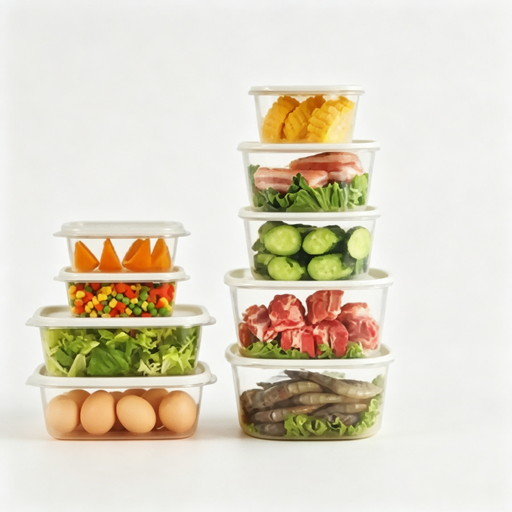
Why we chose it: Perfect for those who prep their meals for the week. This set offers multiple sizes for main dishes, sides, and sauces. Everything is microwave and freezer safe to simplify your daily routine.
Its clip-lock system guarantees a good seal, preventing dressing or sauce leaks (pitfall #1). The material is designed for repeated use without warping (pitfall #2).
A complete and versatile set to get started with meal prep right away, with formats adapted to every need.
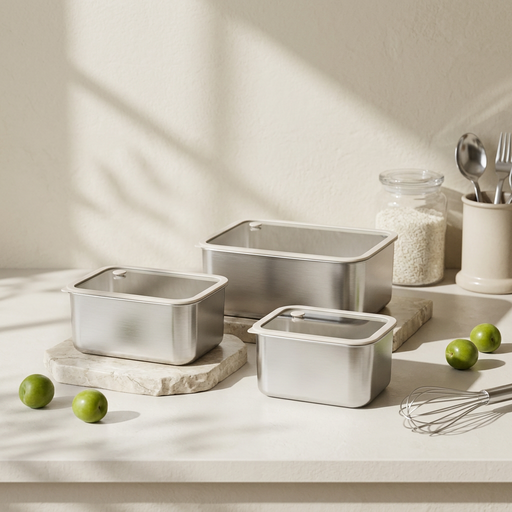
Why we chose it: For those who prioritise healthy materials and maximum durability. Stainless steel is an excellent alternative to plastic and glass, combining lightness and strength for intensive use.
Its food-grade 304 stainless steel body retains no odours or stains, even with highly pigmented foods (pitfall #2). Its deep, stackable design optimises storage space (pitfall #3).
A combination of premium materials : stainless steel body, borosilicate glass lid to see the contents, and an EU-compliant silicone seal for a flawless airtight lock.
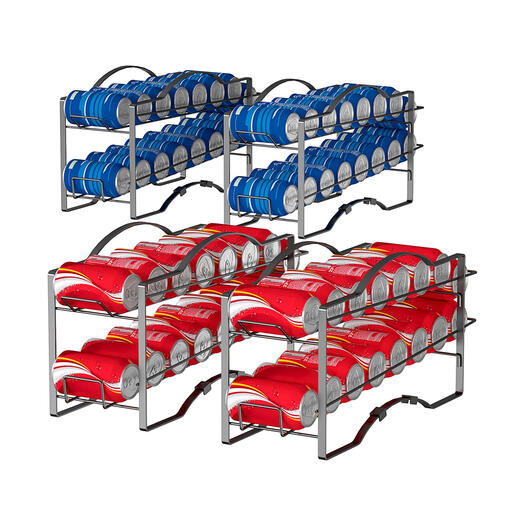
Why we chose it: For those whose challenge is managing a large stock of tins or cans. This solution transforms a chaotic cupboard into a clear and accessible dispenser.
It directly tackles inefficient storage (pitfall #3) by leveraging vertical space and ensuring easy stock rotation (first-in, first-out logic).
Its sturdy and adjustable metal frame adapts to the size of your pantry and the quantity of products to be stored. A true **kitchen organisation** solution.
We have compiled a complete and up-to-date selection of products that meet our strict selection criteria and current safety standards.
A high-quality stainless steel food container is designed to last for years, if not a lifetime. It doesn't crack, warp, or corrode. A plastic container, even a good one, will show signs of wear (scratches, stains, warping) after a few years of heavy use, especially with repeated trips to the microwave and dishwasher.
Examine the lid. Look for a thick, flexible silicone seal that is well-seated in its groove. The locking system is also an excellent indicator?: sturdy clips on all four sides are much more reliable than a simple snap-on lid.
No, you should never put any metal object, including a stainless steel container, in a microwave oven. This creates a risk of sparks and can damage the appliance. However, stainless steel is perfectly suitable for the refrigerator, freezer, and dishwasher. To reheat your food, simply transfer it to a microwave-safe dish.