
Same-day & Next-day Delivery

Quality Guaranteed

Unlock Your Welcome Offers: FREE Delivery | Up to 80% OFF | Free 30-day JoyPlus trial
Download the APP
Whether for packing your work lunch, weekend meal prep, or simply organising your pantry, the food storage container has become a kitchen essential. Yet, with an overwhelming array of options on the market, it's easy to end up with a product that fails to deliver. A leaky lid, plastic that stains after one encounter with tomato sauce, or an impractical design—disappointments are all too common.
As a product expert at Joybuy, my role is to help you navigate the choices. Moving beyond marketing jargon, let's focus on what truly matters to make a smart, durable, and practical choice for your daily life.
The market is flooded with products making tempting promises. Before you decide, watch out for these three classic pitfalls that can turn a good investment into a regrettable purchase.
To avoid these pitfalls, simply focus on a few key points. Here is our checklist to ensure you make the right choice.
Each material has its pros and cons; the best choice depends on your primary use.
For a reliable airtight container, inspect the lid. Favour models with:
Your needs will dictate the shape and features.
Rather than listing dozens of products, here is a curated selection to meet specific needs, based on the criteria we've just discussed.
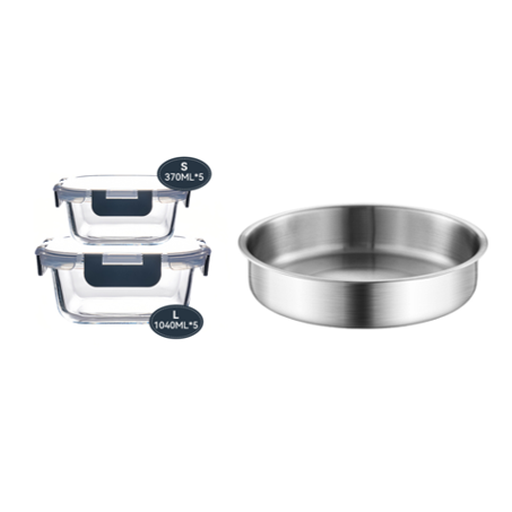
Why we chose it: The perfect set for *batch cooking* fans. The borosilicate glass allows you to cook, store, reheat, and serve all in the same dish. The two sizes make it easy to manage main courses and sides.
Unlike plastic, borosilicate glass doesn't stain or retain odours. The clip-locking system ensures a reliable seal for transport.
Total versatility: freezer, oven (without lid), microwave, and dishwasher safe. A complete set for streamlined organisation.
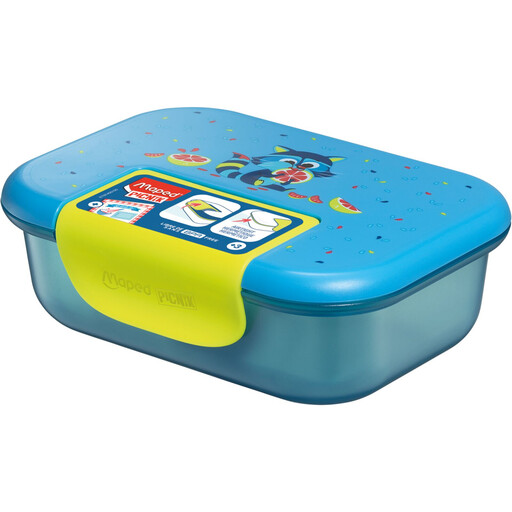
Why we chose it: Designed for kids, this lunch box combines practicality with durability. Its large 900 ml capacity is enough for a full meal, and its rectangular shape slides easily into a backpack.
The attached lid eliminates the risk of losing it. The fluorescent opening clip is easy for little hands to operate, solving the problem of impractical design for children.
Robust and durable stainless steel construction, easy to clean in the dishwasher. A reliable investment for school lunches.
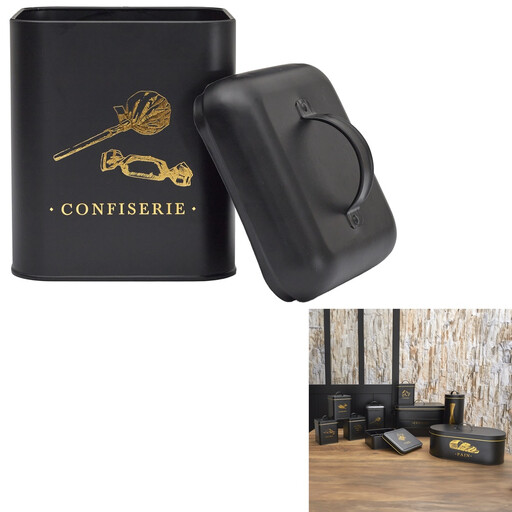
Why we chose it: For those who believe organisation is also a matter of style. This metal box combines a large storage capacity with a matte black and gold design that adds a touch of elegance to the countertop or shelves.
Its opaque metal construction protects dry goods (biscuits, sweets) from light and moisture, a weakness of transparent glass jars. Its design is both aesthetic and functional.
A storage item that doubles as a decorative piece. The carbon steel finish is durable and fingerprint-resistant.
We have compiled a comprehensive list of products that meet our selection criteria and current safety standards.
No, never. Placing a metal or stainless steel object in a microwave oven can cause sparks and damage the appliance. To reheat your food, use a glass container (checking its compatibility first) or transfer the contents to a plate.
The golden rule: wash it as soon as possible after use. For stubborn odours, especially in silicone gaskets, soak the lid and gasket in a mixture of warm water and baking soda for a few hours before rinsing. Ensure all parts are completely dry before closing and storing the container.
Both types of stainless steel are food-grade. 304 stainless steel is the most common and is suitable for most uses. 316 stainless steel contains molybdenum, an element that gives it increased resistance to corrosion, especially from salt and acids. If you plan to regularly store very salty or acidic foods, or if you're aiming for maximum durability, a 316 stainless steel model is a wise investment.