
Livraison le jour même ou le lendemain

Qualité garantie

Débloquez vos offres de bienvenue: Livraison GRATUITE | Jusqu'à -80 % | 30 jours d'essai gratuits à JoyPlus
Téléchargez l'application
Choosing the right food storage container can sometimes be a real headache. Between marketing promises and the reality of daily use, it's easy to end up with cupboards full of unusable containers. Are you tired of lids that warp, boxes that leak in your bag, or containers that absorb the smell of last week's curry?
Investing in a good set of food storage containers isn't just about organisation. It's a real step towards eating better, reducing food waste, and simplifying your life in the kitchen. But before you decide, watch out for a few common pitfalls that can turn a good investment into a real disappointment.
To avoid these setbacks, it's crucial to look at a few technical criteria that make all the difference.
Rather than just trusting the packaging, let's break down the three pillars of a good food storage container: the material, the locking system, and modularity.
The choice of material directly impacts the use, durability, and maintenance of your containers.
A container's effectiveness hinges on its lid. A worthy airtight food container can be identified by two elements:
A good set of food storage containers should, above all, save you space. Favour sets where containers of different sizes nest inside each other when empty. Also, check that they are designed to be stacked securely when full to optimise space in your fridge or cupboards.
To help you see how these criteria apply in practice, here are a few options that meet specific needs.
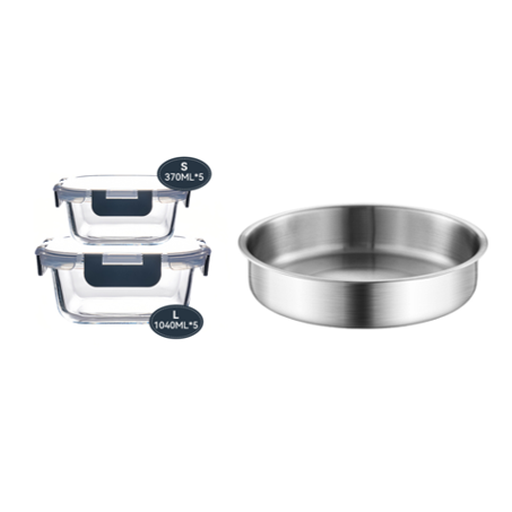
Why we chose it: This set is perfectly designed for those who prepare their meals for the week in advance. It combines glass containers in two different sizes for main dishes and sides, with the added bonus of a sturdy stainless steel plate for serving.
The borosilicate glass won't stain or absorb any odours. The sturdy clip-on lids ensure a reliable seal, preventing leaks from your lunch box during transport.
An all-in-one solution that covers preparation, storage, transport, and serving, all with healthy materials (glass and 304 stainless steel).

Why we chose it: For those who want to invest in products built to last, stainless steel is a top-tier choice. This set offers three very practical sizes to adapt to all storage needs.
Stainless steel is unbreakable, warp-proof, and retains absolutely no odours or stains. It's the ultimate smart purchase that will stand the test of time and the most intensive use.
Its construction from 316 stainless steel gives it superior corrosion resistance compared to standard stainless steel, for maximum hygiene and durability.
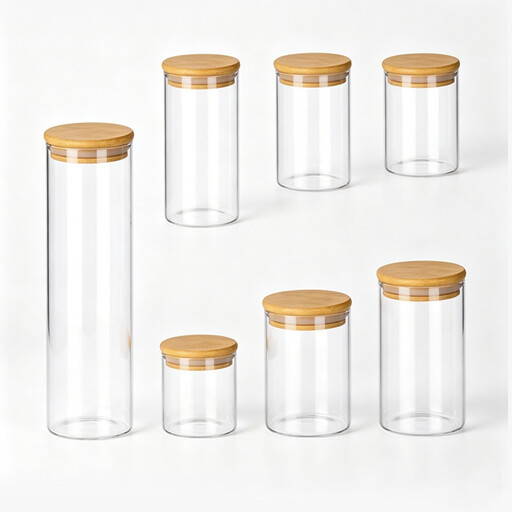
Why we chose it: This set of storage jars is specifically designed for storing dry goods (pasta, rice, legumes, cereals). Its different sizes allow you to organise your pantry with style and efficiency.
Unlike simple decorative jars, these are equipped with sealed lids that ensure a perfect airtight seal, protecting food from moisture and pests.
The transparency of the glass allows you to see the contents and remaining level at a glance. This simplifies inventory management and shopping list preparation for impeccable kitchen organisation.
We have compiled a complete and up-to-date selection of products that meet our strict selection criteria and current safety standards.
The water test is the simplest: fill the container halfway, close it securely, then turn it upside down and shake it over the sink. If not a single drop escapes, you can entrust it with your soups and saucy dishes with complete confidence. A good silicone seal and locking clips on all 4 sides are already an excellent sign of quality.
Glass is a perfectly inert material, which means there is no risk of chemical migration into food, even when hot or greasy. It's the choice for peace of mind. That said, a high-quality, certified BPA-free food-grade plastic is also considered completely safe for food contact, provided you follow the manufacturer's recommended usage conditions.
Most glass (especially borosilicate), stainless steel, and high-quality plastic containers can be used for freezing. For glass, the main precaution is not to fill the container to the brim, to leave space for liquids to expand as they freeze, which prevents breakage. In any case, it's always best to check the pictograms or manufacturer's instructions.