
Livraison le jour même ou le lendemain

Qualité garantie

Débloquez vos offres de bienvenue: Livraison GRATUITE | Jusqu'à -80 % | 30 jours d'essai gratuits à JoyPlus
Téléchargez l'application
A great food storage container can be a game-changer: it streamlines meal organisation, reduces food waste, and keeps your food fresh for longer. The problem? The market is flooded with models making tempting promises, and it's easy to end up with containers that leak, stain, or crack after just a few weeks.
As a product expert at Joybuy, I spend my time sorting the good from the bad. This guide gets straight to the point: giving you the keys to making an informed choice and avoiding buyer's remorse.
Before you check out, learn to spot the design flaws that make a container unusable in the long run.
To choose an airtight food container that lives up to its promises, focus on these three key points.
The choice of material is crucial: it will dictate everything you can (and can't) do with your container.
A good lid is as crucial as the container itself. The most reliable system? A combination of sturdy locking clips (often on all four sides) and a removable silicone seal. This seal guarantees a perfect barrier against both air and liquids. The fact that it's removable is a real bonus for deep cleaning, which prevents bacteria growth.
The one habit to adopt before any purchase: decipher the compatibility icons:
Instead of an endless list, here are our targeted recommendations for different uses, all selected for their durability and practicality.

Why this model? Its 630 ml capacity is ideal for a single serving. It's the ultimate lunch box for those who prepare their meals in advance (the famous *meal prep*) and want to reheat their dish directly at the office without transferring it to another dish.
Its borosilicate glass body resists both stains and thermal shock. Its 4-clip locking system with a silicone seal ensures a foolproof seal—goodbye leaks.
Absolute versatility: oven-safe (without lid), microwave-safe, freezer-safe, and dishwasher-safe. A single dish to cook, store, transport, and reheat.

Why this model? With its generous 2-litre capacity, this dish is perfect for storing family meal leftovers, a casserole, or a large batch of soup. The perfect partner for *batch cooking*.
Its borosilicate glass design offers true versatility, avoiding the trap of "compatible" products that crack at the first thermal shock. It replaces several dishes on its own.
Its large 2 L capacity and oven-safe design allow you to cook, serve, and store in the same dish. Its clip system guarantees a secure seal for storage.
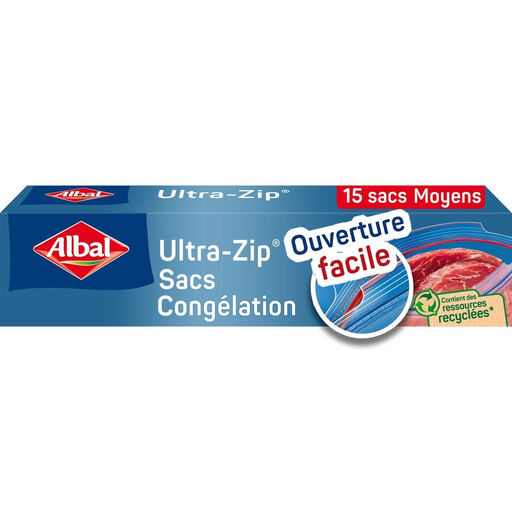
Why this model? For those who want to optimise every corner of their freezer, these bags are the smart alternative to rigid containers. Perfect for freezing flat portions of meat, vegetables, or sauces.
Their double-zip closure is far more reliable than simple press-seals that eventually open, causing the dreaded freezer burn. The seal is truly secure.
Spectacular space-saving and maximum flexibility. A significant bonus: they are made with 70% recycled materials, a real plus for more responsible consumption.
We've curated a complete selection of products that meet our strictest quality and safety standards.
Tempered glass is treated to better withstand physical impacts (drops), but it hates sudden temperature changes (the infamous thermal shock). Borosilicate glass, on the other hand, is specifically designed for that. It is therefore much safer for going from the freezer to the oven (after letting it acclimate to room temperature for a bit). For a kitchen storage container that is also used for cooking, borosilicate is unquestionably the safer choice.
It all depends on the plastic. If the manufacturer allows it (check the icon!), it's best not to clip it shut to let steam escape. As a precaution, many people prefer to simply rest the lid on the container or use a dedicated microwave cover. And we'll say it again: never, ever put a plastic lid in a conventional oven.
For glass, a run through the dishwasher does the trick. For plastic, rinse it immediately so that stains (we're looking at you, tomato sauce) don't have time to set in. A stubborn odour? Let the container soak in a mixture of hot water and baking soda. And don't forget to remove the silicone seal from the lid to clean it separately. That's the secret to impeccable hygiene.