
Same-day & Next-day Delivery

Quality Guaranteed

Unlock Your Welcome Offers: FREE Delivery | Up to 80% OFF | Free 30-day JoyPlus trial
Download the APP
Finding the perfect food storage container seems simple, but it often turns into an obstacle course. A lid that warps in the dishwasher, a tomato sauce that permanently stains the plastic, or a disastrous leak in your bag… we’ve all been there. These frustrations also lead to food waste and unnecessary expenses.
Before you fall for a particular model, it's best to see through the marketing hype and identify the features that truly matter. Forget vague promises and focus on the facts. We'll show you how to avoid falling into the same traps again.
To make a smart choice, focus on a few key technical points. They are your guarantee of your future container's quality, safety, and practicality.
The choice of material is arguably the most important.
A reliable seal depends on two things: the gasket and the locking mechanism. A quality silicone gasket is essential, as it remains flexible and effective over time. Clip systems (usually 4) are often the most dependable for ensuring a leak-proof seal, provided the clips are sturdy and well-designed.
Always check the pictograms or the manufacturer's instructions. A microwave and oven-safe container will make your life much easier. But remember the golden rule: in almost all cases, only the glass base can go in the oven, never the plastic lid. Freezer and dishwasher compatibility are also a real plus for hassle-free use and maintenance.
Rather than searching for a one-size-fits-all solution, it's better to choose an option tailored to your habits.
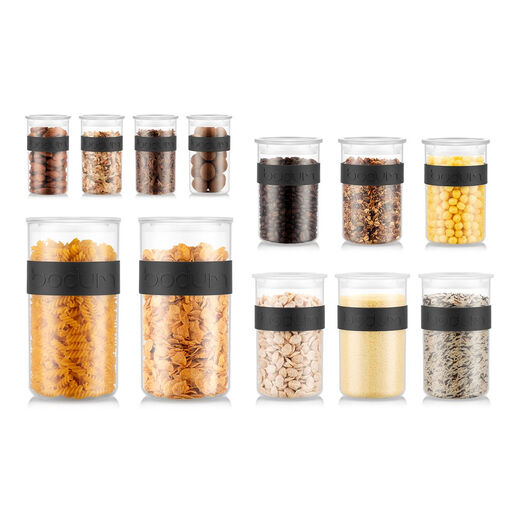
Why we chose it: This comprehensive 12-piece set with various sizes is the perfect partner for organising a week's worth of meals. Lightweight and stackable, they are easy to store in the fridge and transport without weighing down your bag.
The high-quality (BPA-free) plastic and airtight lids are designed for heavy use. The variety of sizes prevents you from using a poorly-suited container, thus optimising food preservation.
A complete set of storage containers for hassle-free organisation. The stackable design is a real bonus for optimising space in the kitchen and refrigerator.
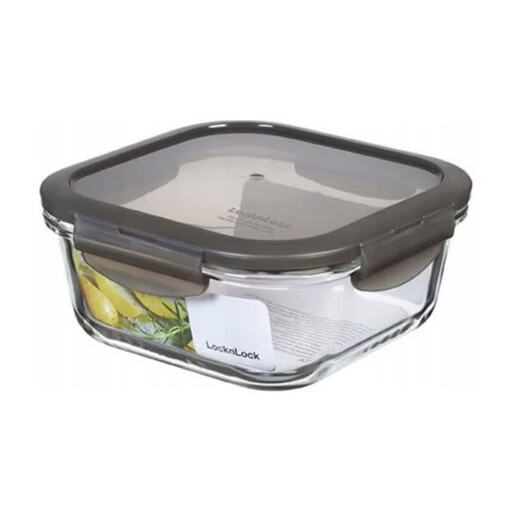
Why we chose it: Ideal for those who love to cook, store, reheat, and even serve in the same dish. This borosilicate glass container goes from the freezer to the oven, and then straight to the table. Less cleanup, more time for you!
Borosilicate glass is impervious to stains and odours, unlike many plastics. The lid is clearly marked as not oven-safe, which prevents unfortunate accidents.
Oven-safe up to 400 °C (without lid) and its 4-clip locking system ensures a perfect seal. A truly multifunctional glass dish with a lid.
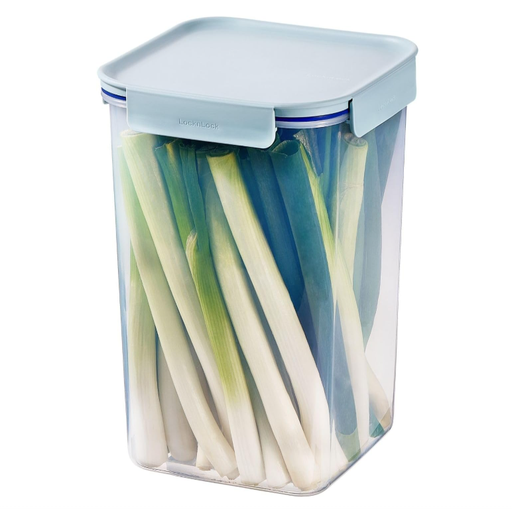
Why we chose it: For those who dream of a pristine pantry, this large-format container is perfect for dry goods (flour, sugar, cereal, pasta). Its square shape is designed to optimise every square inch.
Specifically designed for dry storage, its modular shape puts an end to the chaos of open packages and spilling bags. The quality BPA-free plastic keeps your food safe.
A large 4-litre capacity and a stackable design make for a kitchen storage container that maximises space in your cupboards.
We have compiled a complete list of products that meet our demanding selection criteria and European safety standards.
No, and this is a dangerous misconception. Only borosilicate glass is designed to withstand the very high temperatures of an oven. Standard glass (soda-lime) is at risk of cracking or shattering from thermal shock. Always check the manufacturer's specifications before putting a glass dish in the oven, and never, ever put the plastic lid in with it.
For colourful stains (tomato sauce, turmeric), make a paste with baking soda and a little water. Apply it to the stained area, let it sit for several hours, then rinse. For odours, fill the container with a mixture of water and white vinegar and let it soak overnight. Another household tip: crumple up newspaper inside it, as it's an excellent odour absorber.
The BPA-free food container label (Bisphenol A) is an essential safety guarantee, as it rules out a controversial chemical compound. However, the overall quality of the plastic is still paramount. Favour plastics known for their stability, such as polypropylene (PP, recycling code 5). Also, be sure to follow the usage instructions: for example, avoid microwaving very fatty or acidic foods in plastic, unless the manufacturer explicitly allows it.