
Livraison le jour même ou le lendemain

Qualité garantie

Débloquez vos offres de bienvenue: Livraison GRATUITE | Jusqu'à -80 % | 30 jours d'essai gratuits à JoyPlus
Téléchargez l'application
A good food storage container can be life-changing: it simplifies daily routines, reduces waste, and brings order to your kitchen. Yet, buying one too often turns into a nightmare: a lid that warps, sauce that leaks into your bag, or a dish that takes on a plastic taste. To avoid getting burned again, here are the pitfalls to know before choosing a model that will just end up in the trash within a few months.
Here are the two most common mistakes to stop making:
To make the right choice, focus on three key points that will make all the difference in the durability and practicality of your future food storage container.
The ideal material depends entirely on how you'll use it. There's no one-size-fits-all solution, but there is a right container for every need.
A container's seal relies on two crucial elements: the locking mechanism and the quality of the gasket.
A good storage container should make your life easier. The transparency of glass or certain plastics lets you identify the contents at a glance. Square or rectangular shapes are much easier to store than a round glass jar, optimising space in your cupboards or refrigerator. If you plan to buy a set of storage containers, check that they are stackable for maximum space-saving.
Instead of a random list, we've matched products to specific use cases. It's up to you to find the solution that fits your needs.

Why we love it: For those who prep their meals for the week, versatility is king. This glass container lets you cook directly in the oven, store the dish in the fridge, and then reheat it at the office without having to transfer it.
The borosilicate glass won't warp, stain, or retain any odours, unlike low-end plastics. Its 4-clip locking system ensures a reliable seal for transport.
Its oven-safe compatibility (without the lid) offers total flexibility: from the oven to the table, and even to the freezer.
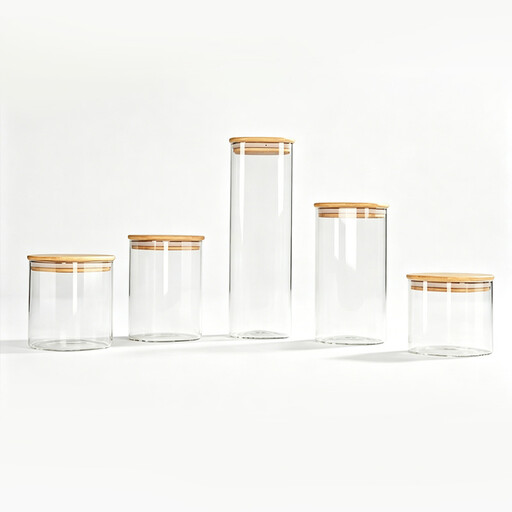
Why we love it: For fans of bulk goods (pasta, rice, lentils, flour), uniformity and visibility are essential. This set of glass jars helps create a pantry that's as organised as it is beautiful.
These jars are specifically designed for dry foods. Their neutral glass preserves flavours and prevents any odour transfer, while the airtight lid protects from moisture.
The set of storage containers in various sizes (from 750 ml to 2300 ml) offers a complete and harmonious solution for organising all your dry goods.
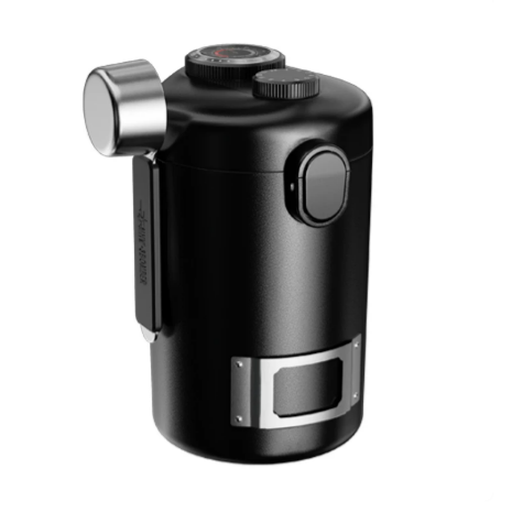
Why we love it: Specialty coffee beans are extremely sensitive to moisture, air, and light. A simple jar isn't enough. This canister is a true precision tool for preserving the freshness and complex aromas of your coffee.
It doesn't just claim to be airtight. It includes a feature that general-purpose containers lack: a hygrometer to monitor the internal humidity level in real time.
The built-in humidity monitor provides direct visual feedback on storage conditions, an indispensable function for any discerning coffee lover.
We've put together a complete selection of products that check all the boxes in our guide and meet current standards.
Yes, provided you choose them carefully. Always opt for food-grade plastics identified by the "BPA-free" label. Polypropylene (PP), often indicated by the recycling symbol with the number 5, is a recognised option for its stability and heat resistance, making it safer for food use, including in the microwave.
Caution is advised. Only borosilicate glass is designed to withstand significant thermal shock. However, even with this material, it is strongly recommended not to move a dish directly from the freezer to a preheated oven, as the thermal shock can cause it to shatter. The golden rule: always let the dish return to room temperature for a few minutes before putting it in the oven.
The secret? Remove it from the lid after each use, or at least once a week. Wash it by hand with hot water and dish soap, then let it air dry completely before putting it back. This simple habit extends the life of your airtight container and ensures impeccable hygiene.