
Livraison le jour même ou le lendemain

Qualité garantie

Débloquez vos offres de bienvenue: Livraison GRATUITE | Jusqu'à -80 % | 30 jours d'essai gratuits à JoyPlus
Téléchargez l'application
A leaky container in your bag, leftovers spoiling too quickly in the fridge, or a stack of boxes that are impossible to store: these everyday frustrations often stem from choosing the wrong container. The market is flooded with promises, but not all food storage containers are created equal. Before you splurge on a new set, let's review the classic mistakes so you never get duped again.
The two most common errors? Trusting the simple "airtight" claim without a closer look, and underestimating the importance of the material. A lid that warps in the dishwasher or plastic that holds onto the smell of last week's curry... these are tell-tale signs. A smart investment is based on objective criteria that guarantee durability, safety, and everyday convenience.
To make an informed choice, focus on a few key features that will make all the difference.
Each material has its strengths and weaknesses. It all depends on how you plan to use it.
glass food container, especially one made of borosilicate glass, is a champion of versatility. It resists stains and odours and goes seamlessly from the freezer to the oven (with the usual precautions) and then to the microwave. It's the ultimate healthy choice for a glass dish with a lid at home. Its only downsides are its weight and fragility.stainless steel food container is virtually indestructible. Lightweight, hygienic, and sturdy, it's perfect as an on-the-go lunch box. Its only drawbacks are that it's opaque and not microwave-safe.meal prep container for salads or cold dishes.A truly effective airtight food container combines a thick silicone seal with a robust clip-locking system, ideally on all four sides. This guarantees a perfect barrier against air and liquids, which is essential for freezer food storage or for taking soup on the go without turning your bag into a soupy mess.
Always check the pictograms: are they compatible with the freezer, dishwasher, and microwave (usually without the lid)? This versatility is the key to a well-organised kitchen, saving you from juggling multiple dishes to cook, store, transport, and reheat.
Rather than searching for the one perfect container, it's better to find the one that fits your daily life. Here is our selection for different profiles.
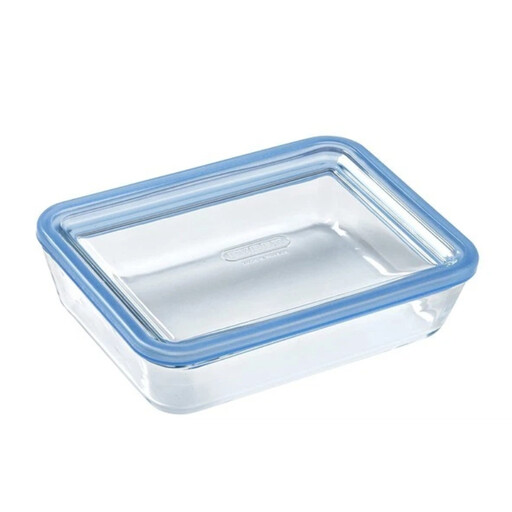
The Verdict: Ideal for a single serving, its borosilicate glass body goes directly from the fridge to the microwave or oven. Perfect for reheating your lunch at the office without transferring it to another dish.
Pure glass doesn't retain tomato sauce stains or odours—a deal-breaker for low-quality plastics that end up in the bin.
Versatility: Freezer, oven (without lid), microwave, and dishwasher safe. One container to do it all.

The Verdict: This food storage container set offers three sizes (600 ml, 1100 ml, 2200 ml) to suit all the family's needs. The stainless steel is lightweight, hygienic, and stands up to daily wear and tear.
Food-grade 316 stainless steel won't warp or crack. The result: a seal that remains reliable over time and an unbeatable lifespan.
Durability and Hygiene: A healthy, corrosion-resistant material that cleans in a flash and won't impart any taste to your food.
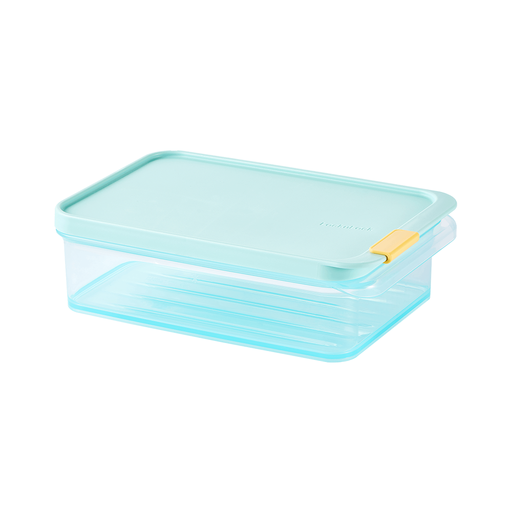
The Verdict: Specially designed for freezing, its modular design and recessed lid ensure ultra-stable stacking to optimise every nook and cranny of your freezer.
The plastic lid remains flexible even at very low temperatures, preventing cracks and breakage. This is the number one flaw of non-specialised containers.
Space Optimisation: Stable stacking and clips for labels simplify organisation and let you find your dishes at a glance.
For those who freeze in large quantities, a chest freezer can be a smart investment. Models like the TCL CF126EWE0FR freezer offer significant storage volume to organise your meal preps and stock up for the long term.
We've compiled a complete list of products that meet our selection criteria and current safety standards.
The foolproof test: fill it halfway with water, close it securely, and shake it over the sink. Not a single drop should escape. On the technical side, look for a thick, removable silicone seal (for perfect cleaning) and a four-sided clip-locking system on the lid.
Absolutely not; this is a crucial safety point. Only dishes made of borosilicate glass are designed to withstand thermal shock and be used in the oven. Standard tempered glass, while strong, is not intended for this purpose and may shatter. Always check the manufacturer's recommendations.
The BPA-free label is the bare minimum: it certifies the absence of Bisphenol A. However, the overall quality of the plastic (polypropylene, Tritan, etc.) is just as crucial for the product's durability, stain resistance, and ability to not retain odours. It's an excellent starting point, but it's not the only criterion.