
Livraison le jour même ou le lendemain

Qualité garantie

Débloquez vos offres de bienvenue: Livraison GRATUITE | Jusqu'à -80 % | 30 jours d'essai gratuits à JoyPlus
Téléchargez l'application
Finding the right food storage container? It can be a real headache. Between marketing promises and the reality of daily use, we quickly end up with cupboards full of mismatched containers, unreliable lids, and permanently stained boxes.
As the Head of Product Selections at Joybuy, I spend my days breaking down this market to help you sort through the options. Let's skip the jargon and focus on what really matters. Here are the pitfalls to avoid and the criteria to look for to finally invest in containers that will live up to their promises.
To avoid falling into these traps, you just need to check a few key points. A well-organised kitchen starts with well-chosen containers.
The choice of material is crucial and should align with your habits.
A container's seal depends entirely on its lid. The most reliable? Systems with clips on all four sides, which distribute pressure evenly on the silicone gasket. Screw-on lids are also an excellent option for soups and liquids, often used for a spice jar or sauces.
Consider all your potential uses. Do you need to freeze portions? Reheat your meals directly in the container? Double-check these compatibilities. Finally, to optimise your cupboard space, opt for a set of food storage containers from the same range. Stackable and nestable models will save you a ton of space.
Rather than drowning you in an endless list, we've matched user profiles with products that check all the boxes for our quality and practicality criteria.

Why we chose it: Ideal for prepping the week's meals. Stainless steel is lightweight, virtually unbreakable, and perfect for transport. This set of three sizes (600 ml, 1100 ml, 2200 ml) handles every portion, from snacks to main courses.
It knocks out the problem of degrading materials. The 316 stainless steel won't stain, retain any odours, or dent, ensuring a much longer lifespan than plastic.
Premium Material: 316 stainless steel for optimal hygiene and corrosion resistance. Practicality: Freezer and dishwasher safe, and stackable for easy storage.
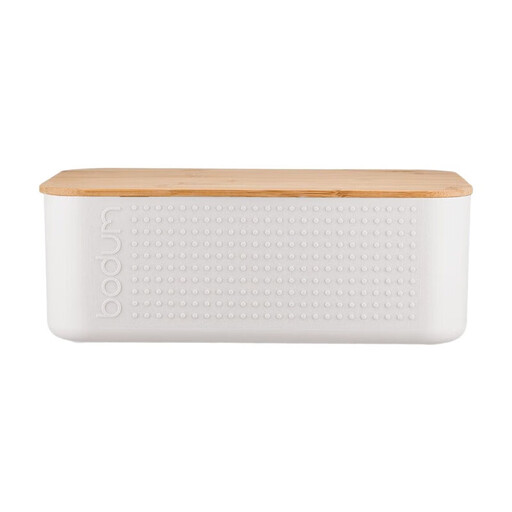
Why we chose it: For those seeking a solution that is both functional and aesthetic for a specific need. This Scandinavian-design **bread box** keeps bread fresh while adding a touch of elegance to the countertop.
This model avoids the "one-size-fits-all" trap. Instead of a generic box, it offers a dedicated, optimised solution for bread. The bamboo lid doubles as a cutting board—a clever 2-in-1 feature.
Multifunctional Design: The durable bamboo lid doubles as a cutting board. Large Capacity: Its 10-litre capacity can store several loaves of bread or pastries.
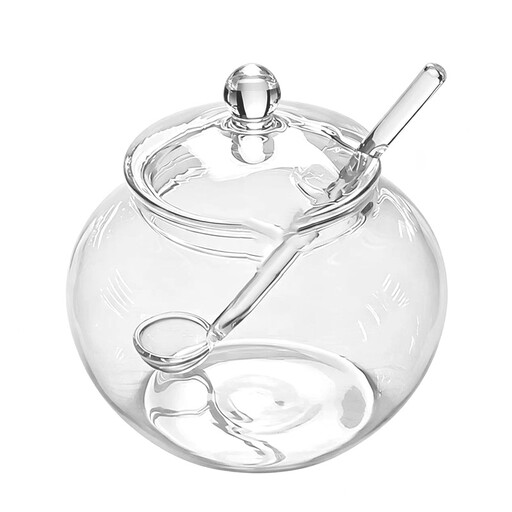
Why we chose it: Perfect for neatly organising condiments, spices, sugar, or coffee. The transparent glass allows you to identify the contents at a glance, and the spoon integrated into the lid is a detail that makes all the difference in daily use.
This **spice jar** puts an end to the chaos of open packets and mismatched containers. It provides a uniform, hygienic (glass doesn't retain flavours), and practical storage solution.
Hygienic Material: The borosilicate glass resists stains and retains no odours, preserving the flavour of your food. Integrated Accessory: The spoon included in the lid means you don't have to look for one every time.
We have curated a complete selection of products that meet our quality criteria and safety standards.
There is no single perfect material; it all depends on your use case. Glass is ideal for hygiene and versatility (oven, microwave). Stainless steel is perfect for transport thanks to its light weight and durability (like a stainless steel bento box). BPA-free plastic remains a budget-friendly and practical option for general use, as long as you verify its quality.
The tried-and-true trick: a paste of baking soda and water, or a soak in diluted white vinegar. Let it sit for a few hours before rinsing thoroughly. Glass and stainless steel are almost never affected by this problem.
A high-quality airtight food container, equipped with a good silicone gasket and sturdy clips, will offer an excellent seal, even for liquids. As a precaution, it's always safer to transport it flat in a bag, especially if it contains soup or a very runny sauce.