
Livraison le jour même ou le lendemain

Qualité garantie

Débloquez vos offres de bienvenue: Livraison GRATUITE | Jusqu'à -80 % | 30 jours d'essai gratuits à JoyPlus
Téléchargez l'application
A well-organised kitchen starts with smart storage. Yet, choosing a simple food storage container can quickly become a headache. Between promises of long-lasting freshness and a jungle of materials, we often end up with cupboards full of mismatched containers that leak or age poorly.
As a product expert at Joybuy, my mission is to help you cut through the noise. Let's forget the marketing jargon and get straight to the point. Here are the pitfalls to avoid and the essential criteria for choosing containers that will genuinely make your daily life easier.
Before you check out, learn to spot the flaws that turn a good idea into a useless gadget after just a few months.
To ensure you make the right choice, focus on three key technical points.
The material of your container determines its lifespan, versatility, and food safety.
The effectiveness of an airtight food container depends entirely on its sealing mechanism. The most reliable system combines two elements:
Good storage containers should, above all, save you space. Opt for square or rectangular models with flat lids. These designs are stackable, allowing you to optimise every square inch in your cupboards, fridge, or freezer. It's the kind of detail that makes all the difference in kitchen organisation.
Enough theory, let's get practical. Here is our selection, designed for different uses and based on the criteria we've just covered.

Why we chose it: For those who prep their meals in advance, versatility is king. This borosilicate glass container goes from the freezer to the microwave and even the oven (without the lid), simplifying both preparation and reheating.
The borosilicate glass is non-porous and resists stains and odours, unlike low-quality plastics that degrade when exposed to acidic or colourful foods.
A healthy and durable material, resistant to heat and cold for maximum versatility. The clip-locking system ensures a tight seal.
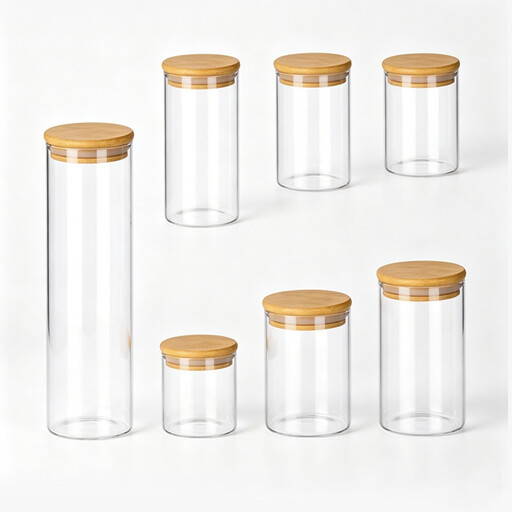
Why we chose it: For storing dry goods (pasta, rice, flour, legumes), a uniform set of storage jars is ideal. This set allows you to create a visual and organised system, protecting your food from moisture and pests.
It ends the chaos of open packages and mismatched containers. The stackable design and various sizes allow for customised, space-saving organisation.
A complete set of 7 sizes for an aesthetic and functional setup. The clear glass lets you identify contents and see stock levels at a glance.
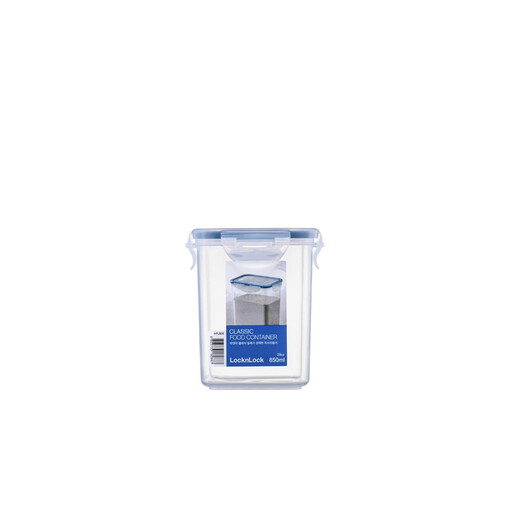
Why we chose it: For leftovers, kids' snacks, or a packed **lunch box**, you need a container that is lightweight, durable, and above all, reliable. This polypropylene model combines these qualities with a leak-proof seal.
Its 4-clip locking system and silicone gasket prevent liquid leaks—the number one pitfall of low-quality containers that end up ruining a bag.
The lightness and durability of BPA-free polypropylene, combined with a reliable seal for worry-free transport. Freezer and microwave safe (with clips open).
We have selected a full range of products that meet all these criteria for quality and safety.
The secret to a perfect clean? Always remove the silicone gasket from the lid. Then, wash each component (container, lid, gasket) separately with hot, soapy water, or in the dishwasher if the material is compatible. Let everything dry completely before reassembling to prevent mould growth.
No, it is crucial to check the manufacturer's instructions. Only certain plastics, like polypropylene (PP), are designed to withstand the heat of a microwave. You generally need to open the clips or remove the lid before reheating to allow steam to escape. Don't take any risks: an unsuitable plastic could melt or release harmful substances into your food.
It's all about resistance to thermal shock. Borosilicate glass contains boron trioxide, a component that allows it to withstand large temperature swings without shattering. In contrast, a regular glass food container is likely to crack if you move it abruptly from cold to hot. For all-purpose use (freezer, oven, microwave), borosilicate is the safest and most durable option.