
Livraison le jour même ou le lendemain

Qualité garantie

Débloquez vos offres de bienvenue: Livraison GRATUITE | Jusqu'à -80 % | 30 jours d'essai gratuits à JoyPlus
Téléchargez l'application
Stocking up on food storage containers—child's play? Not so fast. Who hasn't cursed at a warped lid, a stubborn tomato sauce stain, or a sneaky leak at the bottom of their bag, ruining lunch or precious leftovers?? Choosing the right container isn't just about convenience: it's a step towards eating better, reducing waste, and preserving the flavour of your food. Yet the market is a minefield, saturated with promises that often fail to deliver in practice. To prevent your next purchase from ending in disappointment, here are the pitfalls to avoid.
To navigate these pitfalls, let's focus on the key technical details that make all the difference in the quality and durability of a food storage container.
The choice of material is crucial for your health, the product's longevity, and its intended use.
glass container?: Opt for borosilicate glass. Unlike standard soda-lime glass, it offers unparalleled resistance to thermal shock. This means you can move your dish from the refrigerator to the microwave (without the lid) without fear of it breaking. As an inert material, glass doesn't retain odours or stains and won't leach any substances into your food.stainless steel food container?: Stainless steel, particularly grade 304 (or 18/8), is a lightweight, unbreakable, and built-to-last option. It's perfect for transport, picnics, or as a BPA-free bento box. It's generally not microwave-safe but is perfectly suited for the refrigerator and freezer.An airtight food container is only worthy of the name if its locking system is flawless. The most reliable models combine two elements:
Meal Prep and Fridge OrganisationConsider your habits. For meal prep sets, a set of storage containers in various sizes that are stackable and transparent is a must-have. For fridge organisation, square or rectangular shapes optimise space. To freeze meat or fish, a specialised freezer storage bag that blocks light and air will often be more effective and less bulky than a rigid container.
Rather than a soulless catalogue, we've matched user profiles with targeted solutions, all vetted against our strict quality criteria.
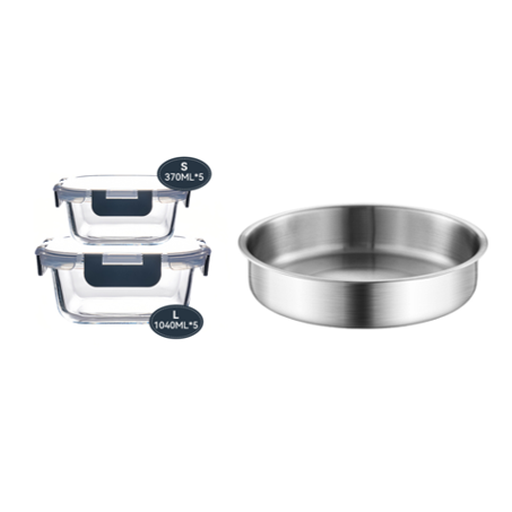
Why we chose it: This set mixes two different sizes of glass containers, perfect for prepping a week's worth of meals, from main courses to side dishes. The borosilicate glass allows you to reheat meals directly in the microwave or oven (without the lid).
Borosilicate glass doesn't stain or retain odours, unlike low-end plastics. The robust clip-on lids ensure a reliable and durable seal.
A complete and versatile set to get started with meal prep, featuring healthy and durable materials.

Why we chose it: For those who want to move away from plastic and prioritise durability. The 304 stainless steel is lightweight, unbreakable, and won't degrade over time. The glass lids let you see the contents at a glance.
This set bypasses the trap of degrading materials. Stainless steel is a nearly eternal solution, resistant to corrosion and impacts, making it a truly sustainable investment.
Unbreakable, stackable to save space, and a silicone gasket that provides an excellent seal.
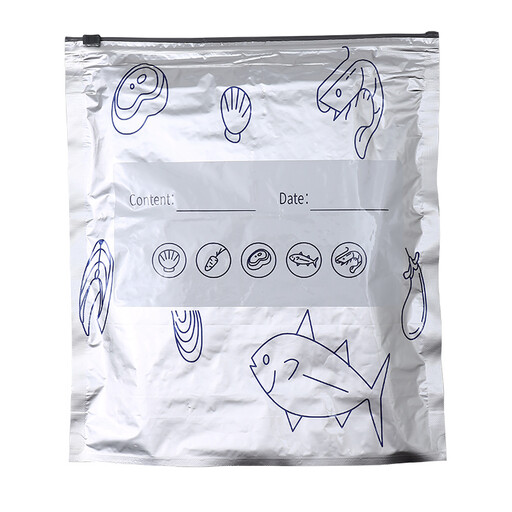
Why we chose it: For freezing meat, fish, sauces, or vegetables while optimising space. These bags are more flexible than rigid containers, and their multi-layer composition is designed to protect food from freezer burn and oxidation.
This addresses the false versatility trap. Instead of an ill-suited standard container, this bag is specifically designed for freezing, blocking out light and air for better preservation.
Airtight slider closure, reusable, and a writable area to note the contents and date, making organisation easy.
We have curated a full range of products that meet our demanding selection criteria and current safety standards.
The lifespan depends heavily on the material and care. A borosilicate glass container or a stainless steel food container can last for many years, as the body is virtually indestructible. The weak point is often the lid and its gasket, which may need replacing after a few years of heavy use. Good-quality plastic containers can last for several years but are more prone to scratches, stains, and warping.
Refer to the manufacturer's instructions. Materials like borosilicate glass, stainless steel, and certain plastics (PP, PE) handle low temperatures well. The main risk is cracking due to the expansion of liquids as they freeze. To prevent this, never fill a container to the brim; always leave 2-3 cm of space at the top. Freezer storage bags are the alternative specifically designed for this purpose.
For silicone gaskets and plastic containers, odours can sometimes be persistent. A time-tested trick that works wonders: soak the container and/or gasket in a solution of warm water and baking soda (or white vinegar) for several hours before rinsing thoroughly. Air-drying, preferably in the sun, can also help neutralise any residual smells. Glass and stainless steel, being non-porous, are not affected by this issue.