
Livraison le jour même ou le lendemain

Qualité garantie

Débloquez vos offres de bienvenue: Livraison GRATUITE | Jusqu'à -80 % | 30 jours d'essai gratuits à JoyPlus
Téléchargez l'application
Whether you're packing lunch for the office, prepping meals for the week (meal prep), or simply keeping leftovers fresh, a good food storage container is an indispensable part of daily life. Yet, faced with an overwhelming number of options, it's easy to fall into common traps: a leaky lid, a plastic that stains, or a material that's ill-suited to your needs. As the Head of Product Recommendations at Joybuy, my role is to help you see things more clearly and make an informed decision, cutting through the sometimes misleading marketing claims.
The market is full of promises, but the test of daily use often reveals design flaws. Here are the most common issues that can turn a practical purchase into a costly disappointment.
To avoid these setbacks, focus on a few technical criteria that define the quality and durability of a good storage container.
The choice of material is crucial and should align with your primary use.
The seal's effectiveness depends not just on the lid, but on the combination of three elements:
Rather than an exhaustive list, here are our targeted recommendations for different user profiles, based on our quality and practicality criteria.
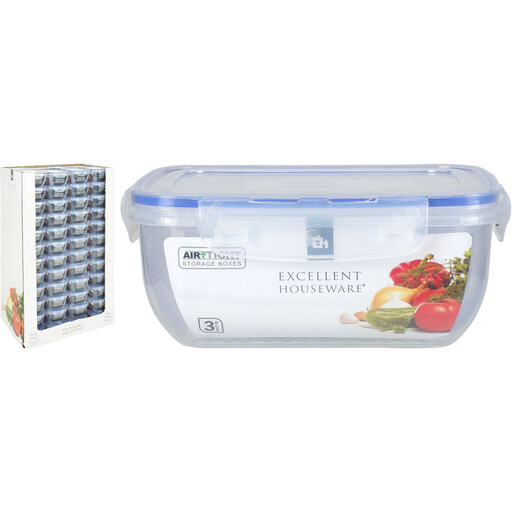
Why it's a good choice: Ideal for students or as a starter set. This set of three BPA-free polypropylene containers is an economical and versatile solution for fridge storage and transporting simple (non-liquid) meals.
Its twist-lock closing mechanism, combined with the silicone gasket, is much more secure than a simple press-on lid. It minimises the risk of accidental leaks with solid or low-moisture foods.
Excellent value for money to get equipped without breaking the bank. The stackable design is a real bonus for optimising space in cupboards and the fridge.

Why it's a good choice: Perfect for *meal prep* enthusiasts looking for a healthy and durable solution. This comprehensive set allows you to cook, store, and reheat in the same dish. It saves time and reduces washing-up!
Unlike plastic, borosilicate glass is resistant to tomato sauce stains and curry odours. It doesn't warp with heat, ensuring the 4-clip lid remains perfectly airtight, year after year.
A healthy and ultra-versatile material (freezer, oven, microwave). The 10-piece set, with its two sizes (1040 ml and 370 ml), covers all needs, from the main course to a small snack.

Why it's a good choice: Essential for professionals on the move, hikers, or anyone without access to a microwave at lunchtime. It allows you to transport soup, a saucy dish, or chili while keeping it perfectly hot.
Unlike a standard container that merely holds food, this jar is a true **insulated lunch box**. Its vacuum insulation will save you from the disappointment of a lukewarm or cold meal.
Maintains temperature (hot or cold) for 4 to 6 hours. The 316 stainless steel ensures superior corrosion resistance. The included carrying bag is a practical touch for taking it anywhere.
Discover our complete, up-to-date selection of products that meet our strict selection criteria and safety standards.
This is a common problem, especially with saucy or spicy dishes. The most effective trick: make a paste with baking soda and a little water. Coat the inside of the container with it, let it sit overnight, then rinse thoroughly. For lighter odours, simply soaking it for a few hours in a mixture of water and white vinegar can do the trick.
Yes, but under one essential condition: it must be made of borosilicate glass. This type of glass is designed to withstand significant thermal shock, unlike standard soda-lime glass, which could crack or shatter. As a precaution, even with borosilicate, let the dish rest for a few minutes at room temperature before microwaving, and always remember to remove the lid.
The lifespan of a gasket depends on its quality and maintenance. A well-made model will last for several years. To preserve it, opt for hand washing: the high temperatures and detergents in a dishwasher can dry it out and make it brittle. Finally, avoid stretching it or using sharp objects to remove it.