
Livraison le jour même ou le lendemain

Qualité garantie

Débloquez vos offres de bienvenue: Livraison GRATUITE | Jusqu'à -80 % | 30 jours d'essai gratuits à JoyPlus
Téléchargez l'application
Finding the perfect food storage container is often a real headache. Between promises of absolute freshness and the reality of a lunch leaking in your bag, it's easy to feel lost. How many containers end up at the back of a cupboard, warped by heat, permanently stained, or with a broken lid? A well-organised kitchen and food that stays fresh shouldn't be a luxury.
To help you make a smart choice, let's review the most common disappointments.
This guide is here to help you see clearly and invest in a long-lasting solution, focusing on the criteria that truly make a difference day to day.
To make the right choice, forget the marketing hype and focus on three pillars: the material, the locking system, and versatility.
The material of your container directly impacts its use, durability, and maintenance.
A truly leak-proof airtight container relies on a winning combination: a quality seal and a reliable locking mechanism.
A good container should adapt to your lifestyle. Always check the compatibility icons:
Instead of an endless list, we've selected products that meet specific needs and suit clear user profiles.
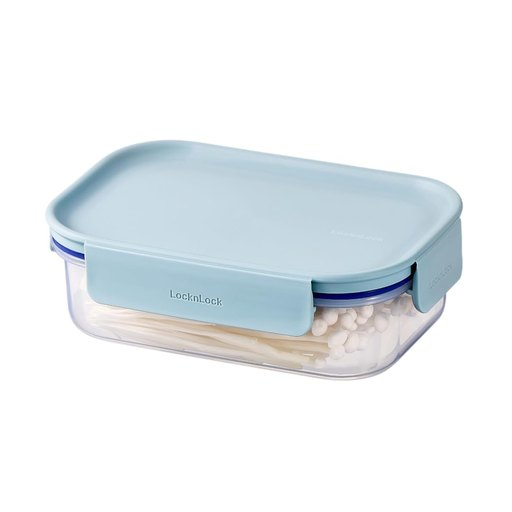
Why this model is for you: Perfect for taking your lunch to work every day. Its 910 ml capacity holds a full meal, while its plastic design makes it lightweight and easy to reheat once you're at the office.
LocknLock's four-clip locking system is renowned for its reliability, eliminating the risk of leaks in your bag. Its high-quality plastic is designed to withstand dishwasher and microwave use without breaking a sweat.
Total versatility: Freezer, microwave, and dishwasher safe. Guaranteed BPA-free material for 100% food-safe contact.
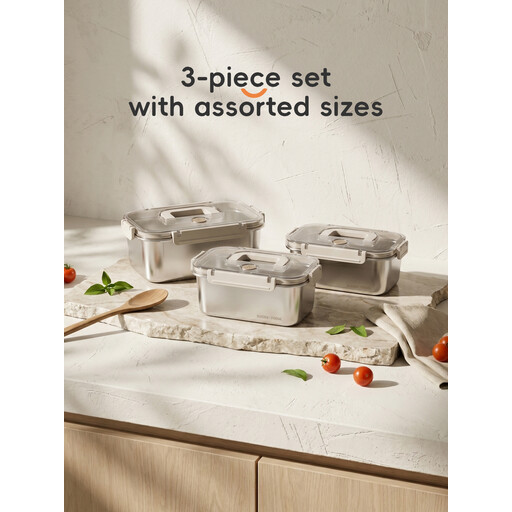
Why this model is for you: For those who prioritise healthy materials and unbeatable longevity. This stainless steel food container set is the most robust solution for storing everything, from the fridge to the freezer.
Food-grade 304 stainless steel is inert: it doesn't stain, absorb odours, or degrade over time, unlike low-quality plastics. A sustainable investment that ends the replacement cycle.
Hygiene and durability: A virtually indestructible material that is corrosion-resistant and ultra-easy to clean. Set of 3 sizes for flexible organisation.
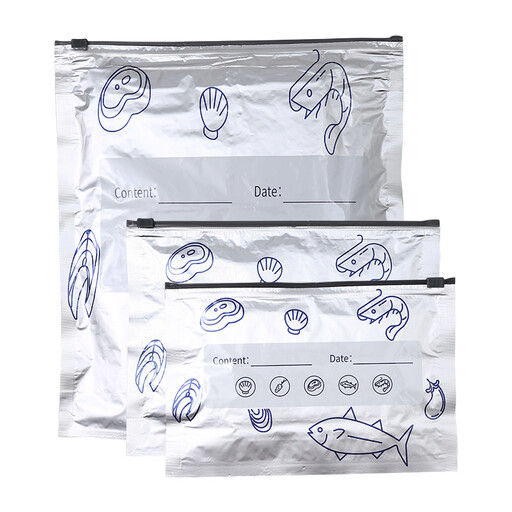
Why this model is for you: Essential for those who buy in bulk or freeze individual portions. These bags allow for flat storage that optimises every square inch of your freezer while perfectly protecting food.
Unlike rigid containers that trap air, these flexible bags allow you to squeeze out most of the air before sealing, which drastically reduces freezer burn. Their slider closure is far more robust and reliable than traditional press-to-seal zips.
Light and odour barrier: The aluminium layer protects against oxidation. Handy write-on label to note the contents and date. Reusable after a simple wash.
Discover our full selection of products that meet our quality criteria and the strictest food safety standards.
No, and this is a common trap. The term airtight means the container doesn't let air in, which is perfect for preserving the crunch of biscuits or the aroma of coffee. The term leak-proof means it doesn't let liquids out. To safely transport soup, a saucy dish, or salad dressing, make sure the product is specifically advertised as "leak-proof" and has a silicone seal and a solid locking mechanism.
Look for the official icon (often wavy lines inside a square) on the bottom of the container. This is the only reliable indicator. Only use a BPA-free food container. Also, remember not to lock the lid during reheating to allow steam to escape. Finally, be cautious with very fatty or sugary foods, as their temperature can climb very high and damage the plastic.
This is plastic's biggest flaw. For a deep clean, fill the container with a mixture of warm water and white vinegar (or baking soda). Let it sit for several hours before washing as usual. Another old-fashioned tip: let it dry completely in the open air with the lid off. A little sun exposure can also help, as UV rays have a natural deodorising effect.