
Livraison le jour même ou le lendemain

Qualité garantie

Débloquez vos offres de bienvenue: Livraison GRATUITE | Jusqu'à -80 % | 30 jours d'essai gratuits à JoyPlus
Téléchargez l'application
A good food storage container can simplify your life in the kitchen, fight food waste, and keep your meals fresh for longer. However, the market is flooded with options that, let's be honest, don't always live up to their promises. As a product expert for the editorial team, my mission is to guide you through this jungle of offers to make a smart choice based on concrete criteria.
Before diving into the technical details, let's review the common mistakes that turn a bargain into a purchase you'll regret.
To avoid these disappointments, here are the key points to check when choosing an airtight food container that's built to last.
A container's effectiveness all comes down to its locking system. The most reliable models combine two key elements:
The choice of material is crucial: it directly impacts food safety, the container's lifespan, and its everyday practicality.
For a well-organised kitchen, modularity is king. A good stackable container allows you to leverage the often under-utilised vertical space in your cupboards and fridge. Ranges designed with standardised dimensions nest and stack perfectly, creating a storage system that is finally coherent and easy to manage. In general, square or rectangular shapes are much more efficient than round ones for optimising every square inch.
Here is our selection of models that check all the boxes, for different uses and profiles.
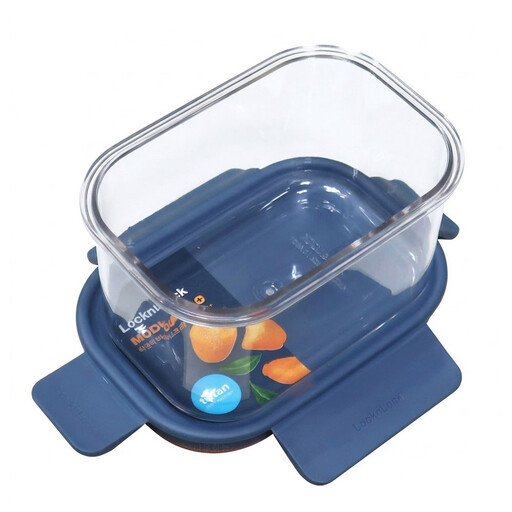
Why we chose it: Ideal as a take-away meal container, its 450 ml format is perfect for a single serving. Its modular design allows you to easily stack the week's meals and optimise fridge space.
Its four-sided locking mechanism with a hollow silicone gasket guarantees a foolproof seal, avoiding the trap of the "falsely" airtight container that leaks in your bag.
Its BPA-free polypropylene construction makes it both lightweight and durable, ideal for daily transport. Its modular design ensures perfectly stable stacking.
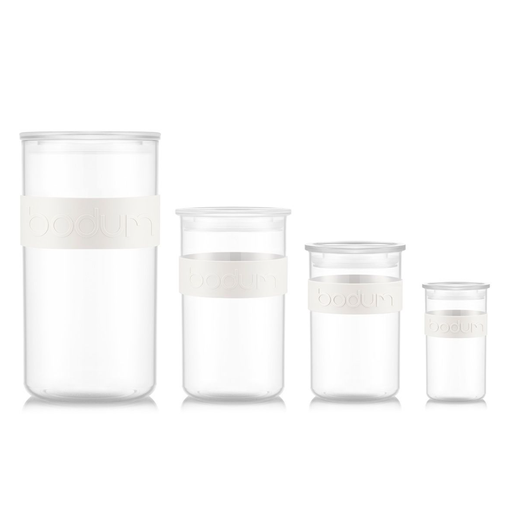
Why we chose it: This food storage container set is the ideal all-in-one solution for a family. With 12 pieces in 4 different sizes, it covers all needs: leftovers, snacks, dry ingredients... all in a perfectly harmonious system.
It solves the "chaotic cupboard" problem. The stackable and uniform design of the PRESSO range creates a visually calming and ultra-efficient storage system to optimise space.
The main benefit: a complete and versatile set from the get-go. Made from BPA-free plastic, these containers combine food safety with top-notch organisation.
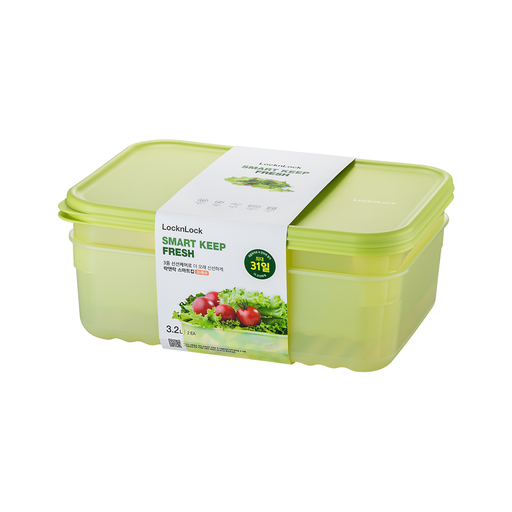
Why we chose it: Specially designed for those who want to make their fresh fruits and vegetables last longer. Its large volume is perfect for storing a whole head of lettuce, carrots, or other market produce.
It tackles food waste from poor storage head-on. More than just a box, it incorporates technology that actively preserves freshness.
According to the manufacturer, the "Breath Care Fresh" solution absorbs ethylene, keeping fruits and vegetables fresh for up to 31 days. The double seal provides an effective barrier against odours and moisture.
We have compiled a complete and up-to-date selection of products that meet our strict selection criteria and current safety standards.
No, and this is a crucial point: always check the manufacturer's instructions. Look for the "microwave-safe" pictogram and opt for plastics like BPA-free polypropylene (PP). It is imperative to always remove the lid (or at least open it) before reheating a dish. This allows steam to escape and prevents pressure from warping the container.
For a deep clean, it's best to gently remove the silicone gasket from its groove. Wash it by hand with warm, soapy water, or place it in the top rack of the dishwasher if permitted. The most important point: make sure the gasket and the groove are completely dry before reassembling. This is the key to preventing mould growth.
Yes, absolutely. Bisphenol A (BPA) is a chemical compound found in some hard plastics. Studies have shown that it can migrate from the container to food, a phenomenon that increases with heat. Although migration levels are highly regulated in Europe, choosing a BPA-free plastic food container remains a simple precautionary measure widely recommended by health and safety agencies to limit exposure.