
Livraison le jour même ou le lendemain

Qualité garantie

Débloquez vos offres de bienvenue: Livraison GRATUITE | Jusqu'à -80 % | 30 jours d'essai gratuits à JoyPlus
Téléchargez l'application
A well-organised kitchen and an effective fight against food waste often start with one simple choice: the right food storage container. Yet, between seals that don't hold up, materials that degrade, and impractical shapes, it's easy to end up with cupboards full of useless containers. Before you invest, it's wise to understand the common pitfalls so you can choose solutions that truly meet your needs.
Identifying hidden flaws will save you a lot of disappointment. Here are the three most common issues:
To avoid these traps, analyse a few technical points before you buy. These details make all the difference between a container you'll use for years and one that will end up at the back of a drawer.
The choice of material is crucial and depends entirely on your intended use.
The effectiveness of an airtight food container relies on the combination of two elements: the locking mechanism and the seal.
Rather than a long list, we've matched specific products to real-world uses. The goal is to help you find the solution that best fits your daily life.
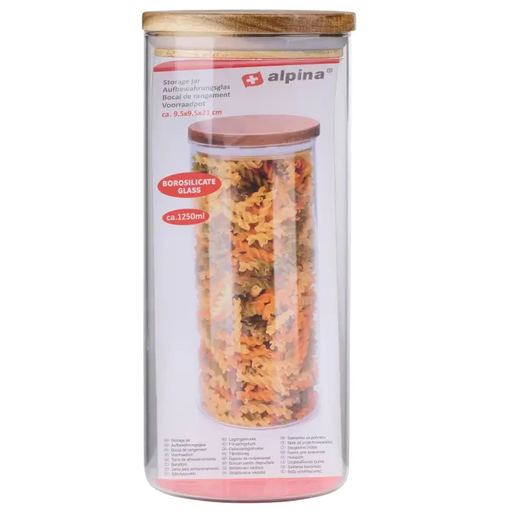
Why we chose it: Ideal for those looking to combine style and function. This glass jar lets you see the contents, while its acacia wood lid adds a natural, elegant touch to the kitchen.
Its square shape allows for perfect stacking and alignment, preventing the usual clutter of round containers. The glass body resists stains and odours, ensuring a long lifespan.
The square design optimises storage space on shelves. The seal integrated into the wooden lid ensures proper storage for dry goods (pasta, rice, legumes).

Why we chose it: Perfect for those who prep their meals in advance. This glass meal prep container goes from the freezer to the microwave and even the oven (without the lid), offering maximum versatility.
Its 4-clip locking system with a silicone seal ensures a reliable, leak-proof design, preventing sauce spills in your bag. The borosilicate glass body resists thermal shock and won't warp.
The borosilicate glass allows you to cook, store, reheat, and even serve directly from the same dish. The removable seal facilitates a thorough cleaning for impeccable hygiene.

Why we chose it: This set of food storage containers is an ideal starter solution for a family. It includes two different sizes (370 ml and 1040 ml) to cover all needs, from dinner leftovers to office lunch boxes.
By offering a unified system, this set prevents the accumulation of mismatched, unstackable containers. The borosilicate glass ensures long-term durability and hygiene superior to plastic.
Unbeatable value for money to get fully equipped in one go with versatile (oven, microwave, freezer) and reliable containers, thanks to their clip-lock lids.
We have curated a complete range of products that meet our quality criteria and safety standards.
Only containers made of borosilicate glass are designed to withstand significant thermal shocks. However, it is strongly advised not to move a container directly from the freezer to a preheated oven. To prevent the glass from shattering, let the container return to room temperature for a few minutes or run it under lukewarm water. Always read the manufacturer's instructions, as the plastic lid must never go in the oven.
If a stubborn odour has settled into a plastic container, don't worry, there are several solutions. You can fill it with a mixture of warm water and baking soda and let it sit for several hours before rinsing. Another method is to fill it with crumpled newspaper, close the lid, and let it sit overnight. The paper will absorb the odours.
The seal on these lids depends on the quality of the silicone gasket around the edge. For dry foods like pasta, rice, or flour, they are generally sufficient to protect from moisture and maintain freshness. However, they are not recommended for storing soups or saucy dishes, and especially not for transport, as they do not guarantee a liquid-tight seal like a clip-lock system does.