
Livraison le jour même ou le lendemain

Qualité garantie

Débloquez vos offres de bienvenue: Livraison GRATUITE | Jusqu'à -80 % | 30 jours d'essai gratuits à JoyPlus
Téléchargez l'application
By the Joybuy Product Experts
A sauce leaking in your bag, leftovers developing a strange smell in the fridge, or a cupboard full of containers that are impossible to stack… Choosing a food storage container seems simple, but mishaps are common. Before you splurge on a new set, it's wise to understand the common pitfalls that can turn a practical purchase into a real headache.
To find the perfect container, you just need to focus on a few technical criteria that make all the difference in daily use.
To avoid unpleasant surprises, focus on three essential points: the material, the locking system, and versatility.
The choice of material directly impacts the durability, food safety, and use of your container.
The Glass Container: Typically made of borosilicate glass, this is the choice for durability. This type of glass resists scratches, doesn't stain, and won't absorb flavors or odors. Its main advantage is its excellent thermal shock resistance, allowing it to go from the freezer to the oven (without its lid). It's the perfect solution if you're looking for an oven-safe glass dish, ideal for cooking, storing, and reheating without switching containers. The only downside: its heavier weight.
The Plastic Container: Lighter and less fragile, it's perfect for transport, especially as a lunch box. Here, the non-negotiable criterion is the "BPA-free" (Bisphenol A) label, in accordance with European regulations. A food-grade plastic will better withstand repeated use but will always be more susceptible to stains and odor retention than glass.
A worthy airtight container owes its effectiveness to its locking mechanism. The most reliable system remains the one with four-sided locking clips and a removable silicone seal. This design ensures uniform pressure around the entire rim of the lid, creating an infallible barrier against air and liquids. When choosing, check that the seal is thick enough and can be removed for deep cleaning. This is the best way to prevent mold growth.
The perfect food storage container must adapt to your daily routine.
Rather than searching for a one-size-fits-all container, it's better to opt for a solution tailored to a specific use. Here are our recommendations for 2026.
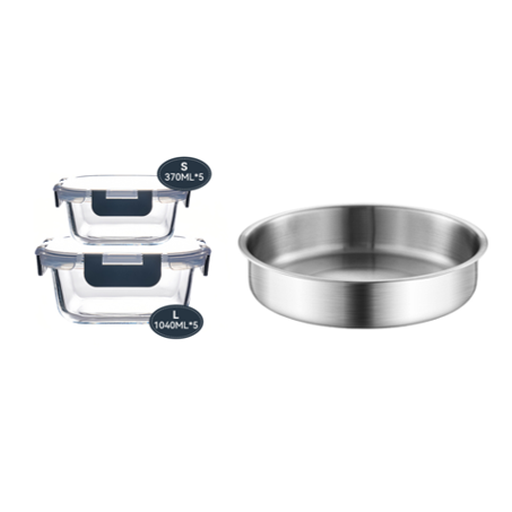
Why it's the right choice: For those who prepare their meals for the week, this 10-piece borosilicate glass set offers the necessary quantity and versatility. The different sizes (370 ml and 1040 ml) are suitable for main dishes as well as snacks or sauces.
The borosilicate glass resists sauce stains and absorbs no odors, unlike low-quality plastics. The clip-lock system guarantees a leak-proof seal for transport.
A complete set to get started with meal prep using healthy and durable materials. The included stainless steel dish is a welcome bonus for serving or cooking.
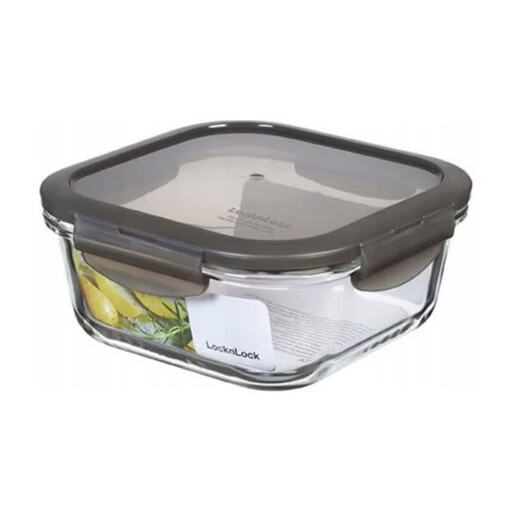
Why it's the right choice: Ideal for someone who bakes a casserole, stores the leftovers, and reheats their lunch the next day in the same dish. A single container for the oven, fridge, microwave, and table.
This borosilicate glass dish is designed to be oven-safe (up to 400°C without the lid), which avoids the need to transfer food and prevents any heat-related warping.
Thermal shock-resistant borosilicate glass and a 4-clip locking system for perfectly airtight storage. Its square shape optimizes organization.
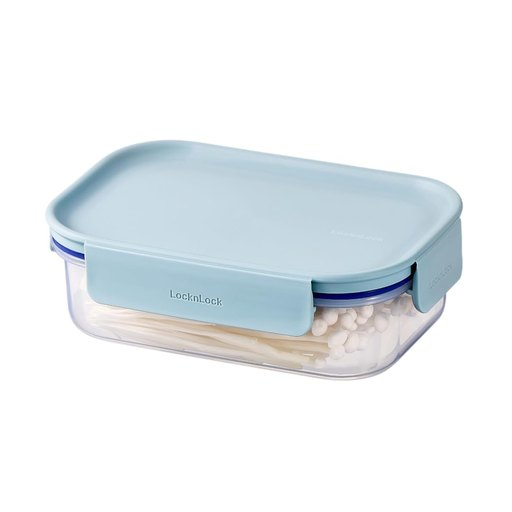
Why it's the right choice: Perfect for organizing the fridge or pantry with lightweight, stackable, and easy-to-handle containers for dry goods, daily leftovers, or a packed lunch.
Its modular and stackable design puts an end to cupboard chaos. The food-grade plastic (BPA-free) is designed for heavy use without degrading prematurely.
Lightweight, optimally stackable, and guaranteed BPA-free. The locking system is designed to be both airtight and easy to handle for daily use.
We have curated a complete selection of products that meet our quality criteria and current safety standards.
No, it is imperative to check the pictograms on the product. As a general rule:
Glass is an "inert" material, which means there is no risk of chemicals leaching into the food, even when it's hot or acidic. It is the safest option. For plastic, safety depends on its quality. It is essential to choose models certified "BPA-free" and food-grade, compliant with European standards. A high-quality plastic container is a safe option for food storage, although glass remains the gold standard for neutrality.
A few simple steps will extend the life of your containers.