
Livraison le jour même ou le lendemain

Qualité garantie

Débloquez vos offres de bienvenue: Livraison GRATUITE | Jusqu'à -80 % | 30 jours d'essai gratuits à JoyPlus
Téléchargez l'application
Choosing a food storage container seems simple… until the lid warps after the first wash, the tomato sauce leaves a permanent stain, or worse, soup spills all over your bag. This is often due to marketing promises that are too good to be true and design flaws that spoil the everyday experience.
As a Product Expert at Joybuy, my mission is to help you cut through the noise and find solutions that are genuinely reliable and practical. Let's break down the common pitfalls and the criteria that make all the difference for a successful purchase.
Attractive packaging can sometimes hide flaws that make a product unusable in the medium term. Here are the three most common issues:
To avoid these disappointments, focus on three essential points that guarantee the quality and durability of a kitchen storage container.
Each material has its strengths and weaknesses. Your choice will depend on your daily needs.
The seal's effectiveness depends on two elements: the gasket and the locking mechanism.
A good storage container should make your life easier. Think about space optimisation for storing food in the fridge and in your cupboards. Stackable containers, whether square or rectangular, help maximize storage. A food storage container set with different sizes but a consistent shape is often the ideal solution for a well-organised kitchen.
To help you choose, here are a few models that meet specific needs, all selected according to the quality and practicality criteria we've just discussed.

Why we chose it: Ideal for preparing, storing, transporting, and reheating a single portion. Its 630 ml capacity is perfect for a balanced lunch to take to the office.
Its borosilicate glass body is oven-safe (without the lid), and its 4-clip locking system ensures a reliable seal, sidestepping the traps of false versatility and leaks.
Cook-and-store versatility and a rock-solid seal for worry-free transport.
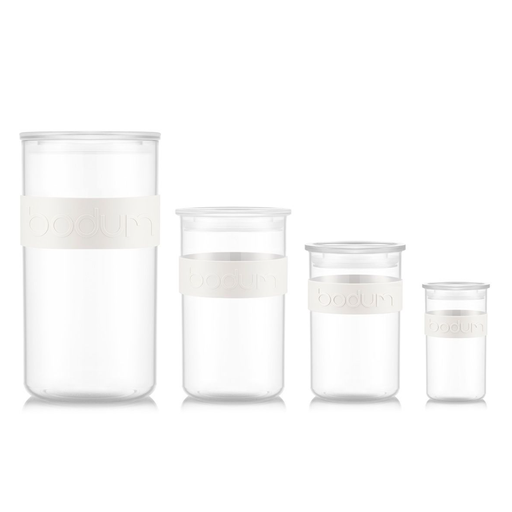
Why we chose it: This food storage container set offers a complete solution for organising your pantry and fridge. The 4 different sizes allow you to store dry goods, leftovers, or ingredients with a uniform aesthetic.
No more headaches from mismatched containers cluttering your cupboards! The stackable design is engineered to optimise every square inch—a detail that changes everything.
A complete and cohesive storage system, made from BPA-free plastic.
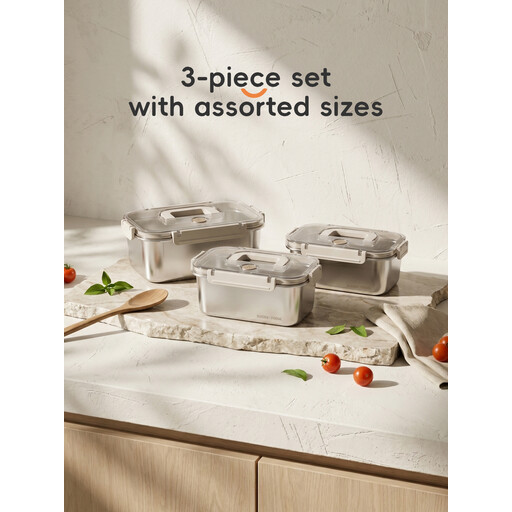
Why we chose it: For those looking to reduce their plastic exposure, stainless steel is a healthy and extremely durable alternative. This set is perfect for storing leftovers, fruit, or preparing a bento box.
It eliminates the typical problems of plastic (stains, odours, warping). The food-grade 304 stainless steel is inert, virtually indestructible, and cleans in a flash.
A healthy, inert, and ultra-durable material. A solution designed to last for years.

Why we chose it: Its large 2-litre capacity is perfect for storing a family-sized meal, marinating meats, or baking a casserole. It's the perfect all-in-one: use it to prep, cook, serve, and store.
As an oven-safe glass dish, it offers maximum versatility and reduces the number of dishes to wash. Its robustness and large size make it a practical investment for everyday cooking.
Large capacity (2L) and dual function: baking dish and storage container.
We have curated a full range of products that meet our strict selection criteria and current safety standards.
No, this is strongly discouraged. The abrupt change from hot to cold creates thermal shock, which can crack or shatter the glass, even if it's borosilicate glass. Always let your glass dish with a lid cool to room temperature before placing it in the refrigerator or freezer.
For an effective clean, separate all the components: the container, the lid, and the silicone gasket. Wash each part separately with hot, soapy water or in the dishwasher if the manufacturer allows. Make sure everything is completely dry before reassembling the container to prevent mould and bad odours from developing.
The BPA-free label is a good indicator, as it certifies the absence of Bisphenol A, a controversial chemical compound. However, it doesn't guarantee the absence of other substances (like phthalates or other types of bisphenols). For complete peace of mind, glass and food-grade stainless steel remain the reference materials, as they are inert and pose no risk of leaching chemicals into your food.