
Livraison le jour même ou le lendemain

Qualité garantie

Débloquez vos offres de bienvenue: Livraison GRATUITE | Jusqu'à -80 % | 30 jours d'essai gratuits à JoyPlus
Téléchargez l'application
Choosing a food storage container? Sounds simple, doesn't it? But how many times have you ended up with a lid that won't seal, a plastic container permanently stained by tomato sauce, or worse, finding your lunch has redecorated the inside of your bag? As the Head of Product Recommendations at Joybuy, my mission is to help you see through the clutter and find practical, durable solutions. Let's skip the marketing jargon and focus on what really matters.
To avoid purchases you'll immediately regret, let's review the most common pitfalls:
For top-notch kitchen organisation and flawless food preservation, three technical criteria must be carefully examined.
The choice of material determines your container's lifespan, hygiene, and versatility.
glass container: Usually made of borosilicate glass, it has the huge advantage of not retaining odours or stains. It's a healthy, durable material that can withstand high temperatures and is therefore often oven-safe (be sure to check the instructions). Its only drawbacks? Its weight and fragility.BPA-free plastic container: Lighter and often more affordable, it's perfect for transport. The non-negotiable feature: it must be labelled Bisphenol A (BPA)-free, a controversial chemical. High-quality plastics (like polypropylene or Tritan) will offer much better resistance to impacts and stains.Airtight ContainerA container's effectiveness all comes down to its lid. To avoid disasters, carefully analyse the locking system:
For hassle-free daily use, check the compatibility pictograms on the container or its packaging:
Microwave-safe: Essential for reheating your lunch. Note that it's almost always recommended to remove the lid or at least open the vent before starting the microwave.meal prep) or storing leftovers long-term.Rather than searching for a one-size-fits-all container (which doesn't exist), it's better to choose a solution tailored to your habits. Here is our selection to meet specific needs.
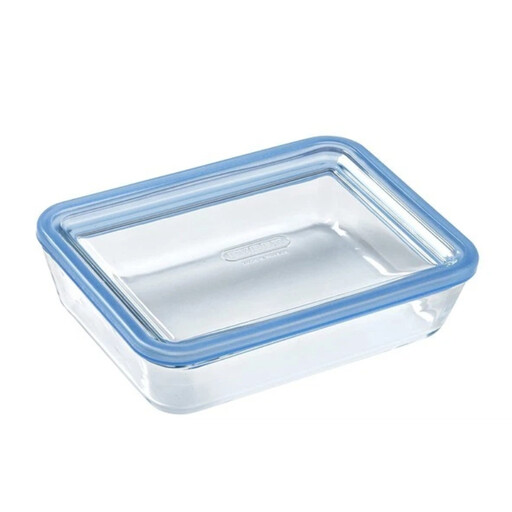
Why it's a match: Ideal for those who love to go from oven-baking (lasagna, casseroles) to storing leftovers in the same dish, without transferring. It's the perfect solution: from the oven to the table, then to the fridge.
This ultra-durable borosilicate glass dish sidesteps the "illusion of versatility" pitfall. It is truly designed to go from the oven to the freezer (while avoiding thermal shock), and its non-porous material never stains or retains odours.
Total versatility: oven, microwave, freezer, and dishwasher safe. Impeccable hygiene and durability of glass.
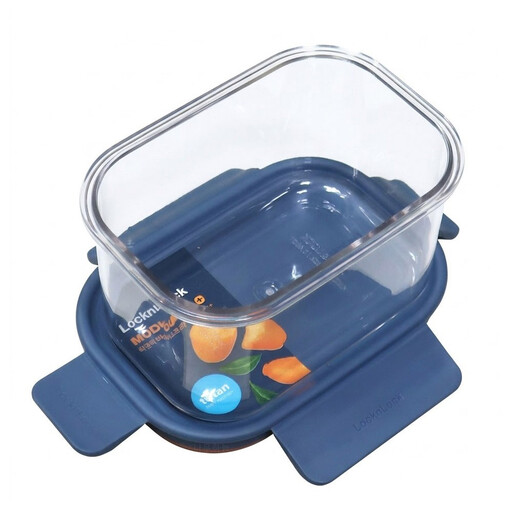
Why it's a match: Lightweight, stackable, and guaranteed leak-proof, it's the perfect partner for preparing your week's meals (`meal prep`), storing them neatly in the fridge, and taking them to the office without worrying about a disaster in your bag.
It debunks the "airtight myth" with its four-sided locking clips and silicone gasket, which ensure a 100% seal. Its BPA-free polypropylene plastic withstands daily use without degrading.
100% airtight and leak-proof system. Modular design for optimised, space-saving storage.
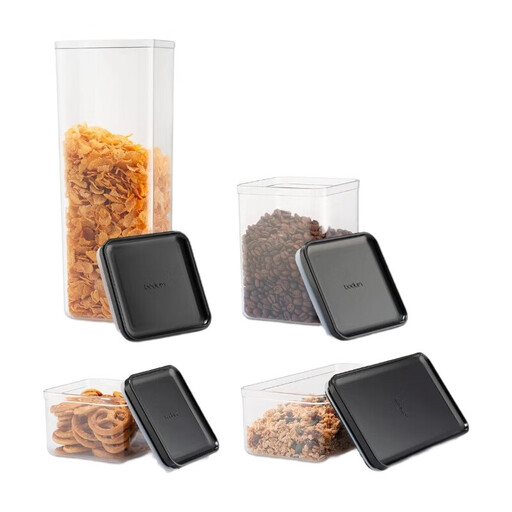
Why it's a match: This set of storage containers in various sizes is perfect for finally bringing order to your cupboards. It allows you to store your dry goods (cereals, legumes, biscuits) visibly and hygienically, protected from moisture.
Specifically designed for dry foods, this set features airtight lids that preserve freshness. Its transparent, BPA-free plastic avoids the pitfall of materials that age poorly or hide the contents, which greatly simplifies pantry organisation.
Set of 6 different sizes for customised organisation. Airtight lids and transparent, guaranteed BPA-free material.
We have curated a complete range of products that meet our strict selection criteria and current safety standards.
Inspect the locking system. An airtight container worth its salt will have a lid with clips on all four sides and a thick silicone gasket that sits securely in its groove. If the gasket seems too thin or the clips are difficult to close, be wary: the seal may not be reliable.
glass container always go in the oven?No, and this is a crucial point to watch for. Only borosilicate glass is designed to withstand the very high temperatures of an oven. Standard soda-lime glass is likely to shatter. Always check the manufacturer's instructions. Above all, avoid thermal shock at all costs: never put a dish straight from the freezer into a preheated oven.
For plastic containers, rinsing immediately after use prevents sauces from staining the material. For a perfect clean, remember to remove the silicone gasket to wash it separately. For glass containers, always let them cool down before running them under water to eliminate any risk of thermal shock. Finally, drying them completely before storage is the best anti-mould trick.