
Livraison le jour même ou le lendemain

Qualité garantie

Débloquez vos offres de bienvenue: Livraison GRATUITE | Jusqu'à -80 % | 30 jours d'essai gratuits à JoyPlus
Téléchargez l'application
Keeping food fresh longer, reducing waste, better organising your kitchen… The promise is appealing, but choosing a food storage container can quickly become a headache. Between flashy marketing and the reality of daily use, it's easy to end up with cupboards full of containers that are as useless as they are disappointing.
To avoid falling into the trap, let's review the most common pitfalls that turn a good investment into a disappointment.
To make an informed choice, just focus on a few key technical features. Here are the points to check before you buy.
The choice of material determines the safety, longevity, and versatility of your container.
A true airtight food container must offer a foolproof locking system.
Always check the product's supported temperature range, information provided by the manufacturer. A good container should be able to go seamlessly from the freezer (-20?°C) to the microwave (often up to 100-120?°C), with a detour through the dishwasher for easy cleaning. This is what separates a simple gadget from a true everyday ally.
Instead of a random list, we've matched specific products to user profiles to help you find the solution that truly fits your lifestyle.
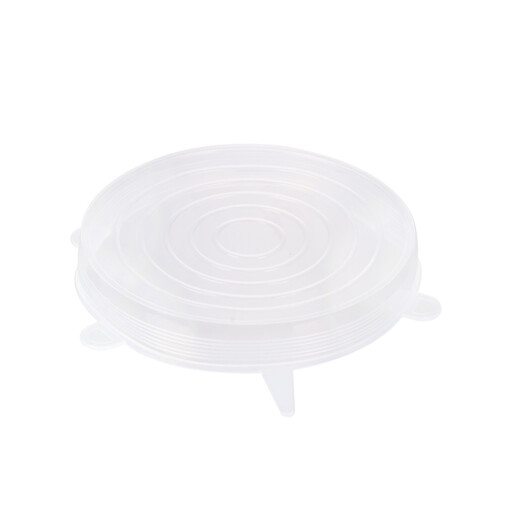
Why this choice: For those looking to replace plastic wrap and aluminium foil, this set of lids is a direct and versatile solution. It adapts to your existing bowls and salad bowls, saving you from buying a whole new set of containers.
It tackles the "questionable durability" trap. Made from food-grade silicone, it's designed to withstand hundreds of uses and dishwasher cycles without tearing or losing its elasticity.
The set of 3 sizes (14.5 cm, 16.5 cm, 20.5 cm) offers great flexibility to cover a wide range of containers, from small bowls to large salad bowls.
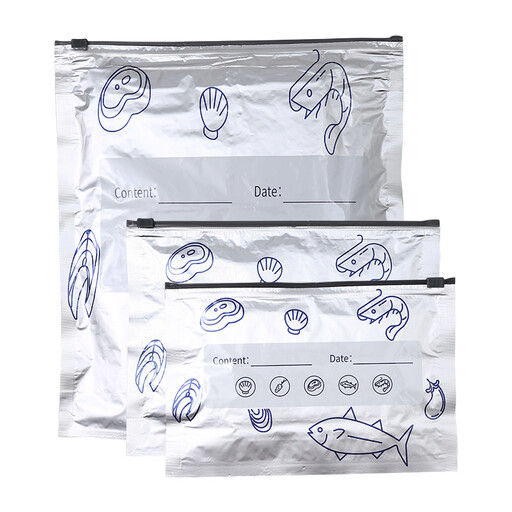
Why this choice: Ideal for freezing meat, fish, or large batches of prepared meals. This set of reusable freezer bags is designed for optimal protection against freezer burn and oxidation.
It solves the problem of a partial seal. Its multi-layer structure (PET + Aluminium + PE) acts as a true barrier against light and air, slowing down oxidation much more effectively than a simple plastic bag.
The set includes 3 different sizes, and each bag has a write-on label to note the contents and date, facilitating perfect freezer organisation and reducing waste.
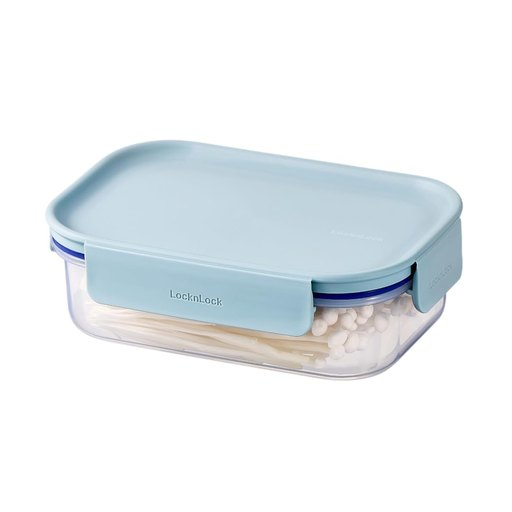
Why this choice: Perfect for prepping weekly meals or safely taking your lunch to go. This individual container combines a practical size with a locking system renowned for its reliability.
It directly addresses the "airtight but not leak-proof" trap. The clip-on lid system is renowned for being 100% airtight and leak-proof, a proven design for transporting saucy dishes without spilling a single drop.
Made from BPA-free plastic, it's stackable for optimised storage and is freezer, microwave, and dishwasher safe to make your life as easy as possible.
We have curated a complete, up-to-date list of products that meet our strict selection criteria and current safety standards.
It all depends on the material quality and care. A well-made bag, like those made of a PET/AL/PE composite, can be washed and reused dozens of times. To maximise its lifespan, wash it by hand with a soft sponge and warm, soapy water, then let it air-dry completely before storing. Just avoid putting sharp objects (bones, fish bones) inside that could puncture it.
Rely on explicit manufacturer claims, such as "?BPA-free?". In Europe, Regulation (EC) No 1935/2004 requires that materials intended for food contact be safe. The fork and glass logo is a reliable indicator of compliance. As a general rule, favour brands that are transparent about their product composition.
No, and this is a critical point to watch out for. Even if the container is compatible, the lid may not be. If it is allowed, it's often recommended to simply place it on top of the container without clipping it shut, or to open a steam vent if the model has one. This allows steam to escape and prevents pressure build-up. When in doubt, the safest option is to remove the lid and use a dedicated microwave cover.