
Livraison le jour même ou le lendemain

Qualité garantie

Débloquez vos offres de bienvenue: Livraison GRATUITE | Jusqu'à -80 % | 30 jours d'essai gratuits à JoyPlus
Téléchargez l'application
Essential for organising meals, reducing waste, and keeping food fresh, the airtight food storage container has become a kitchen staple. The problem? The market is saturated with promises that rarely deliver. A lid that warps in the heat, a seal that fails after a few washes, or plastic that stains after the first tomato sauce: these disappointments are all too common.
Instead of relying on marketing slogans, it's better to focus on concrete criteria. This guide breaks down the pitfalls to avoid and the key points for choosing a model that truly fits your needs: a lunch box for the office, weekend batch cooking, or optimised, stackable kitchen storage.
Choosing wisely means first learning to spot the false promises and design flaws that make a product unusable in the long run.
To make the right decision, focus on these three fundamental points.
The choice of material is crucial and will primarily depend on your intended use.
The entire effectiveness of an airtight food storage container lies in its lid. Four-sided locking clip systems, combined with a removable silicone gasket, are often the most reliable. They distribute pressure evenly and ensure a secure closure. A removable gasket is a real bonus for deep cleaning, thereby preventing mould growth.
Always check the manufacturer's pictograms and instructions.
To help you see more clearly, here are a few models that excel in their category, selected for their durability and practicality.
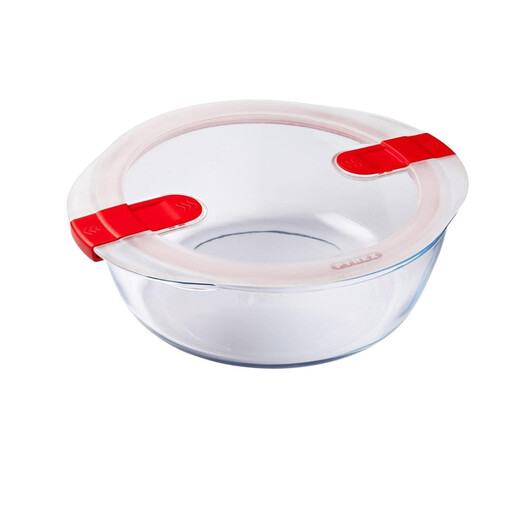
Why we chose it: Perfect for families or *batch cooking* enthusiasts. Its large capacity and borosilicate glass body allow you to cook a casserole, store it in the fridge, and then reheat it without ever changing dishes.
Its borosilicate glass resists thermal shock (within reasonable limits) and does not warp. The lid includes a steam vent, which prevents splatters and warping during microwave use.
Maximum versatility: oven (without lid), microwave (vent open), freezer, and dishwasher. One dish for everything.

Why we chose it: This set of three sizes is perfect for organising the fridge or pantry. 316 stainless steel is renowned for its corrosion resistance and impeccable hygiene. It's the ultimate durable solution for storing leftovers, dry ingredients, or salads.
Unlike plastic, stainless steel doesn't stain, retain odours, or scratch easily. Its robustness guarantees an exceptional lifespan, making it an economical choice in the long run.
Durability and hygiene. The containers are stackable to save space and are compatible with the freezer and dishwasher.
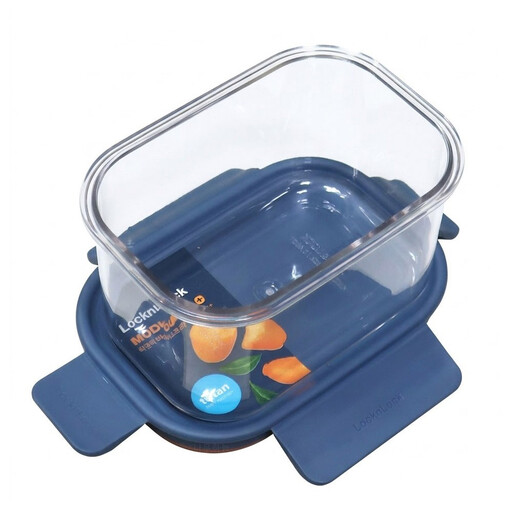
Why we chose it: For a lunch box, weight and a leak-proof seal are the top criteria. This BPA-free plastic model is lightweight, compact, and its four-sided locking system with a hollow silicone gasket ensures an excellent seal, even for saucy dishes.
It tackles the weak point of many on-the-go containers: leaks. The robust locking mechanism and quality gasket prevent accidents in your bag. The plastic is designed for daily use, including reheating in the microwave (without the lid).
Lightweight and reliable seal. Its modular design allows it to be stacked with other containers from the same range to optimise space.
Find our complete and up-to-date selection of products that meet our selection criteria and current safety standards.
No, absolutely not. Only borosilicate glass is designed to withstand the high temperatures of an oven. Standard soda-lime glass, like that used for your drinking glasses, would risk shattering. Always check the manufacturer's pictograms. And the golden rule: the plastic or silicone lid NEVER goes in the oven.
The best practice: remove the silicone gasket from the lid before each wash. Clean it by hand with soapy water and let it air dry completely before putting it back. This will prevent residue buildup and mould growth.
The BPA-free (Bisphenol A-free) label has become a standard, but it doesn't guarantee everything. To preserve the neutrality and durability of your container, a few precautions are necessary: avoid overheating it in the microwave, do not use abrasive sponges, and replace it if it shows deep scratches or signs of wear.