
Same-day & Next-day Delivery

Quality Guaranteed

Unlock Your Welcome Offers: FREE Delivery | Up to 80% OFF | Free 30-day JoyPlus trial
Download the APP
Choosing the right food storage container? It's a real headache, and more complicated than it seems. Between marketing promises and the harsh reality of daily use, who hasn't cursed at a cupboard full of warped, stained, or unsealable containers? To stop you from throwing your money down the drain, let's review the most common pitfalls.
As the Head of Buying Guides at Joybuy, I'm here to help you sort through the options. Here are the three mistakes to avoid and the criteria that truly matter for a smart purchase.
The Myth of the Leaky "Airtight" Container: The term "airtight" is often misused. A seal that seems sturdy in the store might fail to contain a simple vinaigrette. The secret to a truly effective airtight container isn't just the clips, but the quality of the silicone gasket and the locking mechanism's design. A gasket that's too thin or poorly fitted is a near guarantee you'll find your lunch at the bottom of your bag.
"Microwave-Safe" with Hidden Consequences: A container might be labeled as microwave-safe, but that's far from a complete guarantee. Some low-quality plastics can warp from the heat, stain permanently from tomato sauce, or worse, release potentially harmful compounds. Likewise, a glass container can suffer fatal thermal shock if it goes directly from the fridge to the microwave.
"Food-Grade" Plastic That Ages Poorly: Not all plastics are created equal. A cheap food-grade plastic container might seem like a bargain, but it will scratch easily, absorb odours and colours, and its lid will warp in the dishwasher. The BPA-free label has become standard, but it says nothing about the plastic's long-term durability.
To stop buying blind, focus on these three essential points that determine the quality and lifespan of your next food storage container.
Choosing the material is the first decision, as it dictates use, durability, and maintenance.
For extended storage in the fridge or for transporting meals without disaster, the locking system is crucial. Forget simple press-on lids, which are often ineffective with liquids. Opt for 4-clip locking systems paired with a removable silicone gasket. This mechanism ensures uniform pressure around the entire rim, guaranteeing a perfect seal against air and liquids.
A good container should fit into your daily routine without complicating your life.
Instead of an endless catalogue, here are our top picks that meet specific needs, based on our criteria for quality and practicality.
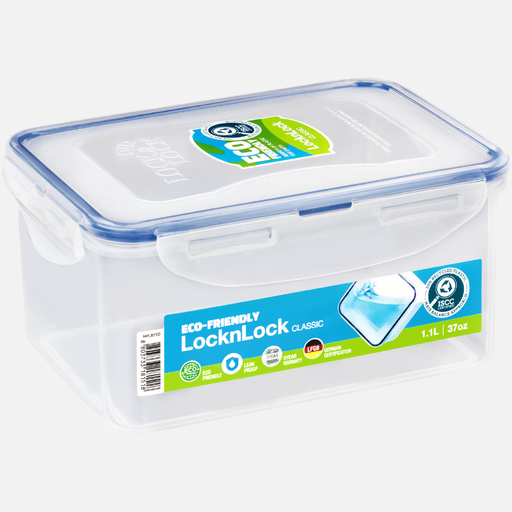
Why we love it: Perfect for those who prepare their bento or lunch box daily. Its light weight makes it incredibly practical for transport, without the heaviness of glass.
Its four-clip locking system and hollow silicone gasket guarantee a foolproof seal. No more falling for the "fake airtight" container that leaks in your bag.
Total versatility: it goes effortlessly from the fridge to the freezer, then to the microwave (lid open) and the dishwasher. The meal prep routine has never been simpler.

Why we love it: With its generous 2.3L capacity and borosilicate glass, it's the perfect partner for large family meals. You can cook directly in it in the oven, store leftovers, and reheat without switching dishes. The true all-in-one.
It avoids the pitfall of risky microwave reheating. Its lid is equipped with a steam vent that allows for splatter-free, even reheating without having to open it.
The ultra-durable glass dish is oven-safe (without its lid), while the lid provides an airtight seal for the fridge or transport. The best of both worlds.
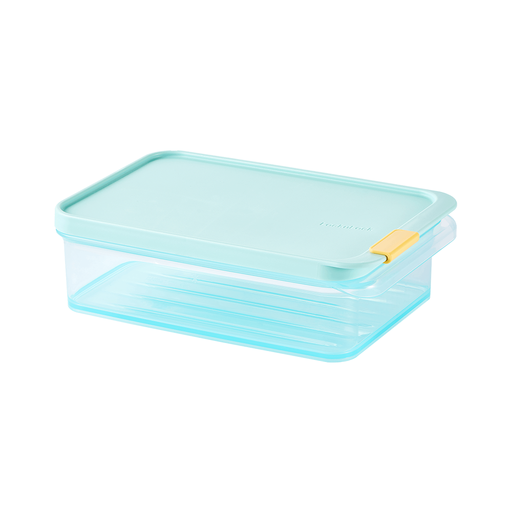
Why we love it: Specially designed for freezing, this container uses a plastic that stands up to extreme cold. Its modular design is a dream for anyone looking to optimise every square inch of their drawer or chest freezer.
No more plastic that becomes brittle and cracks in the freezer. Its blend of polypropylene and elastomer remains flexible even at very low temperatures, ensuring exceptional durability.
Smart stacking: the lids are designed to nest perfectly, ensuring maximum stability. It's enough to turn a chaotic freezer into a model of organisation.
Explore our full selection of food storage containers, all tested and approved by our experts for their quality and compliance with standards.
It all depends on the material and how you care for it. A glass or stainless steel container can last for many years if you avoid drops and chips. For a food-grade plastic container, repeated trips to the microwave or dishwasher can accelerate its aging. The silicone gasket is often the first part to wear out; remember to clean it regularly and let it air dry completely to preserve its elasticity.
Absolutely not! That's the surest way to break it. This abrupt change from hot to cold creates thermal shock that can crack or even shatter the glass. Even highly resistant borosilicate glass has its limits. The best habit to adopt: always let your dish cool to room temperature before putting it in the fridge.
For stubborn odours, an old-fashioned tip is unbeatable: a paste of baking soda and water. Let it sit for several hours before rinsing. For tomato sauce or curry stains, a few hours in direct sunlight can work wonders and bleach the plastic. But the best solution is prevention: invest in high-quality glass or plastic containers from the start, as they are much less porous.