
Livraison le jour même ou le lendemain

Qualité garantie

Débloquez vos offres de bienvenue: Livraison GRATUITE | Jusqu'à -80 % | 30 jours d'essai gratuits à JoyPlus
Téléchargez l'application
A tidy kitchen and less food waste? It all starts with choosing the right food storage container. But with a nearly endless selection, it's easy to get lost. Warping lids, plastic stained by the first tomato sauce, questionable seals... These daily hassles can quickly turn a good purchase into a regret.
This guide breaks down the essential criteria for choosing containers that will truly serve you, whether for your weekly meal prep, storing dry goods, or optimising your fridge organiser.
Some marketing promises hide nasty surprises. Here are the three most common traps that turn a purchase into a source of frustration.
To make the right choice, focus on these few technical features. They are the guarantee of the quality and durability of your future food storage container.
The choice of material is crucial and depends on your intended use.
A truly airtight container relies on two elements:
Always check the pictograms or manufacturer's instructions regarding compatibility with:
Good compatibility transforms a simple container into a true ally for your culinary organisation.
Rather than drowning you in an endless list, we've matched products to user profiles to help you find the solution that fits your lifestyle.

Who is it for? Ideal for *meal prep* enthusiasts who prepare their meals for the week. Its large 2 L capacity allows you to cook a family-sized dish, keep it fresh, and then reheat it directly in the oven or microwave. One container to do it all!
Its borosilicate glass body resists thermal shock from the oven and is stain-proof. The 4-clip locking system, combined with the silicone gasket, ensures a completely leak-proof seal for transport.
Its versatility: it's oven, microwave, freezer, and dishwasher safe. All with a large 2-litre capacity.
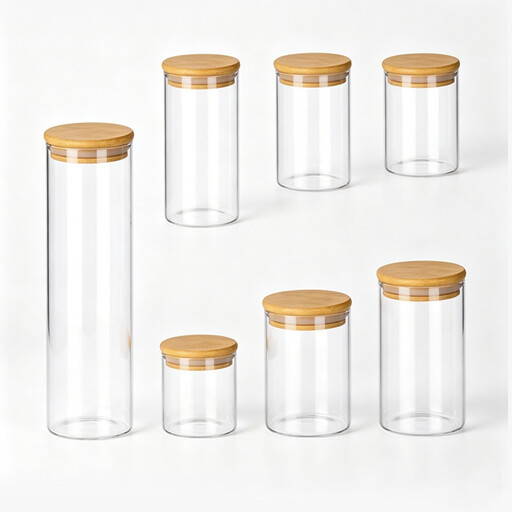
Who is it for? For organisation pros who want a pantry that's as beautiful as it is practical. This set is perfect for storing pasta, rice, cereal, or legumes in a harmonious way, keeping everything in sight.
The glass jar is hygienic: it absorbs neither odours nor colours. The airtight lid truly protects dry foods from moisture and pests, a common weakness in entry-level containers.
A complete set of 7 different sizes to organise everything at once. The design with a faux-wood lid adds a very nice decorative touch.
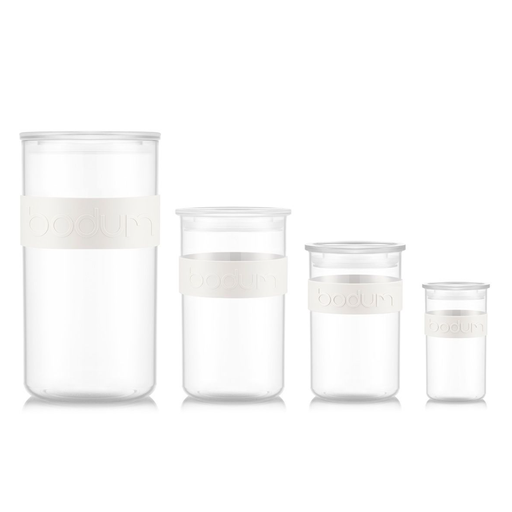
Who is it for? The ideal solution for those moving into a new place or wanting to start from scratch. This complete, unified set covers all needs (leftovers, dry ingredients, etc.) on a budget.
No more chaos from mismatched lids! This cohesive system simplifies life. The plastic is certified BPA-free for safe food contact, and the gasket ensures a good seal.
A 12-piece kit with 4 different sizes for maximum versatility. Their stackable design is a real bonus for optimising space in cupboards and the fridge.
We have compiled a complete and up-to-date list of products that meet our strict selection criteria and safety regulations.
For plastic containers, wash them promptly after use. If an odour persists, fill the container with a mixture of warm water and baking soda. Let it sit for several hours, then rinse. For silicone gaskets, remove and wash them separately to prevent residue buildup.
Absolutely not; this is a critical point to watch for. Only borosilicate glass (sometimes called Pyrex glass) is designed to withstand the high temperatures of an oven. Standard soda-lime glass, often used for drinking glasses or simple jars, is likely to shatter. Always check the manufacturer's instructions. As for the lid (plastic or wood), it should never, ever go in the oven.
The lifespan depends on the quality of the plastic and its care. A good quality, BPA-free model can last for several years. Signs of wear to watch for are cracks, warping from heat (if the plastic is not microwave-safe), or a lid that no longer clips on properly. Discard any container with deep scratches, as they can become breeding grounds for bacteria.