
Livraison le jour même ou le lendemain

Qualité garantie

Débloquez vos offres de bienvenue: Livraison GRATUITE | Jusqu'à -80 % | 30 jours d'essai gratuits à JoyPlus
Téléchargez l'application
A tidy kitchen and less food waste often start with one simple step: choosing the right food storage container. Yet, faced with a jungle of available models, it's easy to fill your cupboards with containers that don't live up to their promises. Leaky lids, stained plastics, or containers that are impossible to stack... these frustrations are, however, avoidable.
As the Head of Product Curation at Joybuy, my mission is to help you sort through the options. Let's forget the marketing jargon and focus on the criteria that truly matter for making an informed, sustainable choice that fits your daily life.
Before we get down to business, let's break down the classic mistakes that turn a purchase into a regret.
To avoid these disappointments, you just need to focus on a few key points.
The choice of material is fundamental and depends on your primary use.
Airtightness depends entirely on the lid's design. Favour systems that are tried-and-true:
To optimise space, shape is king. A stackable airtight container, whether square or rectangular, allows you to use every square centimetre of your shelves or fridge. Sets that offer different sizes but use a single lid format are particularly clever for creating a coherent and visually harmonious organisation system.
Rather than searching for THE perfect container, the ideal approach is to find the one that matches your use case. Here are our recommendations, profile by profile.
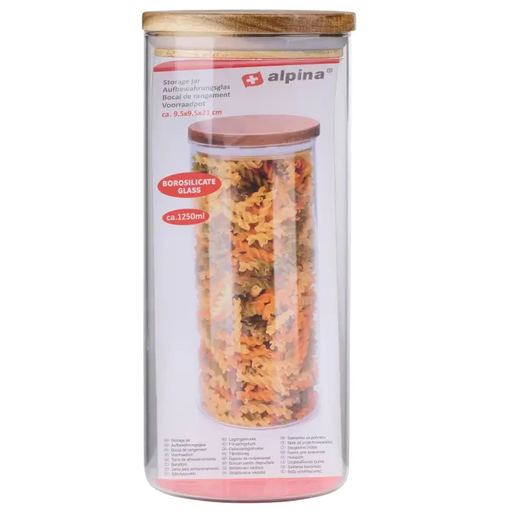
Why we chose it: For those who believe a well-organised pantry should also be a pleasure to look at. This jar combines the transparency of glass with the warmth of acacia wood, turning your staples into decorative objects.
Its square shape is the perfect answer to the "counterproductive design" pitfall: it allows for flawless alignment and maximum space-saving. The lid with its seal ensures good preservation of dry foods.
Elegant design blending natural materials. Stackable square shape to optimise shelf space.

Why we chose it: For meal prep enthusiasts looking for a do-it-all container that can go from the freezer to the oven, then to the table and into the dishwasher, effortlessly. Versatility is the key word here.
Its borosilicate glass, which is ultra-resistant to heat and non-porous, thwarts the "materials that age poorly" pitfall. It doesn't warp, stain, or retain any odours.
Extreme versatility: freezer, fridge, oven (without lid), microwave, and dishwasher safe. A healthy material that's built to last.
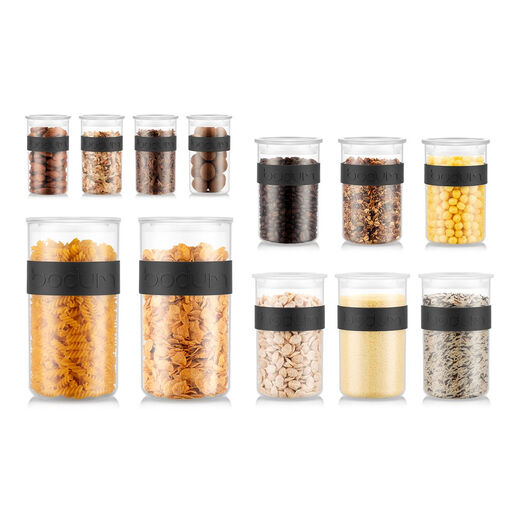
Why we chose it: The ideal solution to get fully equipped from A to Z or to refresh your entire storage arsenal. This complete set offers a range of sizes for every need, from a small sauce to a family-sized cereal box, all with a cohesive design.
This set tackles the "counterproductive design" problem by offering a modular and perfectly coherent system. Its airtight lids and BPA-free plastic help avoid the other classic pitfalls.
A complete 12-piece set in 4 sizes for maximum versatility. Lightweight, durable, and guaranteed BPA-free material.
Explore our full selection of products that meet our demanding selection criteria and current standards.
How do you properly clean a storage container to prevent stubborn odours? For plastic containers, a quick wash after use is the best prevention. If an odour lingers, fill the container with a mixture of warm water and baking soda. Let it sit for several hours, then rinse thoroughly. Remember to remove the silicone seals to wash them separately; this prevents residue build-up.
Can all "BPA-free" plastic containers go in the microwave? No, not necessarily. It is imperative to check the manufacturer's instructions (often a pictogram on the bottom of the container). Even if it's BPA-free, a plastic might not be designed to withstand the heat of a microwave. If the container is compatible, it's recommended to reheat without the lid, or with the steam vent open, to prevent any pressure build-up.
What is the lifespan of a silicone seal on an airtight container? With proper care (regular cleaning, drying completely before storage), a quality silicone seal can last for several years. Avoid letting it soak and inspect it from time to time for any cracks or loss of elasticity. If it's damaged, the airtight seal is no longer guaranteed.