
Livraison le jour même ou le lendemain

Qualité garantie

Débloquez vos offres de bienvenue: Livraison GRATUITE | Jusqu'à -80 % | 30 jours d'essai gratuits à JoyPlus
Téléchargez l'application
By Joybuy, our Product Expert – August 27, 2026
You thought you were doing the right thing by buying that set of food containers. But a few weeks later, the verdict is in: the tomato sauce has permanently stained the plastic, the lid is warped, and a leak has ruined the bottom of your bag. It's a classic scenario, often the result of misleading marketing promises or well-hidden design flaws.
As a product expert at Joybuy, my mission is to separate fact from fiction and give you clear, concrete advice. The goal: to guide you to the ideal food storage container and help you avoid disappointment.
The food container market is saturated with promises. Before you decide, watch out for these three classic pitfalls that can turn a good deal into a useless purchase.
meal prep, carrying a lunch box) significantly reduces your container's lifespan and usefulness.To make the right choice, focus on these three essential criteria. They are what make all the difference in terms of durability, safety, and everyday convenience.
Each material has its pros and cons. Your choice should depend on your primary use.
food preservation at home. It's inert, so it won't retain odours or colours, is effortless to clean, and can go from the freezer to the oven (without its lid). Its transparency is a bonus for identifying contents at a glance. Its Achilles' heel: its weight and fragility.meal prep. Insist on a BPA-free (Bisphenol A) certification. Polypropylene (PP, recycling code 5) is a sign of quality, as it resists grease and heat better than other plastics.lunch box. However, it is not microwave-safe—a significant detail if you reheat your meals at the office.A good lid is just as important as the container itself.
A good food storage container should, above all, make your life easier.
To illustrate these criteria in action, here is our selection, designed for different uses.
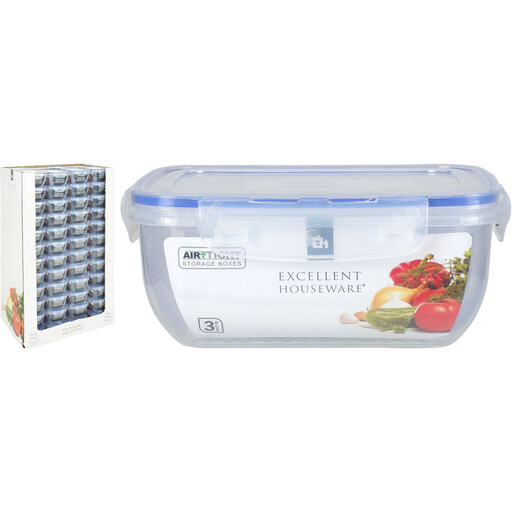
Why we chose it: This set of three BPA-free polypropylene containers is an excellent starting point for organising your kitchen or getting into `meal prep` without breaking the bank.
The lid, with its silicone seal and twist-lock mechanism, ensures a better seal than simple press-on lids.
A trio of stackable, rectangular containers, perfect for optimising space in the fridge and freezer.

Why we chose it: For `meal prep` pros, this complete borosilicate glass set is the ultimate durable solution. The glass is heat-resistant, won't stain, and perfectly preserves the flavour of your food.
Borosilicate glass eliminates the risk of warping, staining, and odours from microwaving—a typical pitfall of plastic containers.
An ultra-complete 10-piece set (5x 1040 ml + 5x 370 ml) with clip-on lids to organise all your meals for the week.
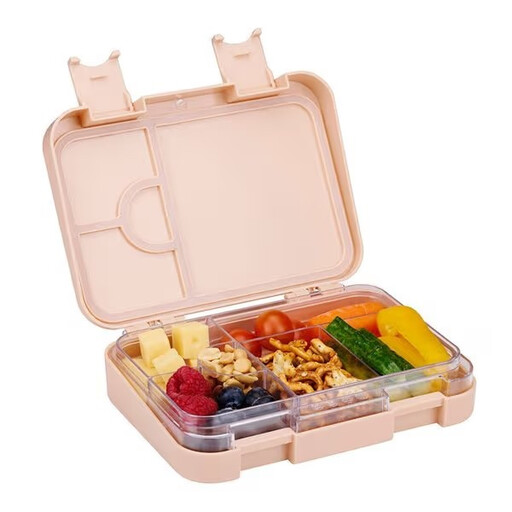
Why we chose it: This `lunch box` is the perfect solution for those who love to pack a varied meal. Its six compartments keep every food item in its place, preserving textures and flavours until lunchtime.
It ends the nightmare of foods mixing together—a major flaw of standard containers when packing a complete meal.
Its 6-compartment design is perfect for portion control and variety. Bonus: it's dishwasher-safe for effortless cleanup.
We have selected a full range of products that meet our quality criteria and current safety standards.
1. What is the lifespan of a plastic food storage container? It all depends on the quality of the plastic (polypropylene, or PP, is more robust) and how you use it. On average, a good plastic food container can last for several years. Replace it if it shows cracks, is permanently stained, or if its lid no longer provides a tight seal. To extend its life, avoid microwaving it with very greasy or staining foods.
2. Can all glass containers be put in the oven? No, and this is a common mistake. Only borosilicate glass is designed to withstand significant thermal shock (going from cold to hot). Standard soda-lime glass, used for drinking glasses, would likely shatter. Always check the manufacturer's instructions. In any case, the plastic lid should never go in the oven.
3. How do you remove stubborn odours from a food container? For plastic containers, the easiest method is to wash them and then let them air-dry in the sun for a few hours. Another foolproof trick: fill the container with a mixture of warm water and baking soda, let it sit for several hours, then rinse. For glass and stainless steel, a simple run through the dishwasher is usually enough to eliminate all odours.