
Livraison le jour même ou le lendemain

Qualité garantie

Débloquez vos offres de bienvenue: Livraison GRATUITE | Jusqu'à -80 % | 30 jours d'essai gratuits à JoyPlus
Téléchargez l'application
The ideal food storage container promises an organised kitchen, simplified meals, and less waste. Yet, the purchase too often ends in disappointment: a lid that leaks all over your bag, a container that taints your food with a plastic taste, or food that loses its freshness in record time. Before you make your choice, it's best to know the common pitfalls so you can avoid them.
Marketing promises often hide a much less appealing reality. Here are three deal-breakers that can turn a good idea into a purchase you'll regret:
To find the model that truly meets your needs, ignore the marketing slogans and focus on a few objective technical features.
The choice of material is crucial and will primarily depend on how you plan to use it.
A reliable airtight food container depends on two elements: a robust locking system (clips, screw-on lid) and a quality silicone gasket. The gasket must be thick and flexible enough to create a perfect seal with the container's rim. The ideal solution? A removable gasket, which allows for thorough cleaning and prevents mould growth.
Think about your daily routine. Do you need stackable containers to optimise space in your cupboards or fridge? Are you looking for a meal prep container to heat up your lunch at the office? Or a solution for freezing meals?
Rather than an exhaustive list, here are a few models that meet specific needs, selected for their durability and practicality.
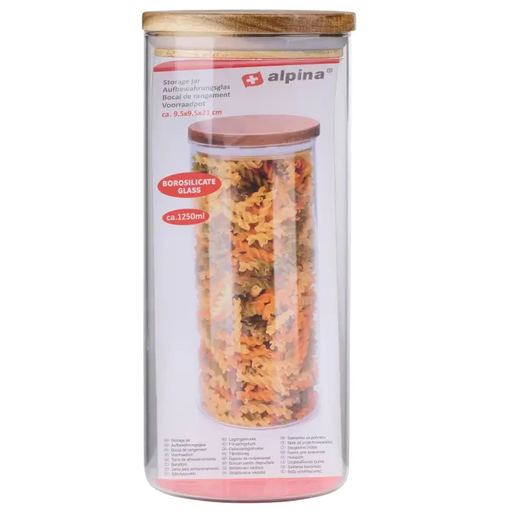
Perfect for stylishly organising your dry goods (pasta, rice, coffee). The transparent glass body lets you identify the contents at a glance, and the square shape optimises shelf space.
The acacia wood lid with its gasket ensures a good airtight seal for dry foods, avoiding the pitfall of items going soft. Glass and wood are simple, durable materials that are easy to clean (by hand).
Elegant and natural design. Stackable square shape for maximum space-saving.
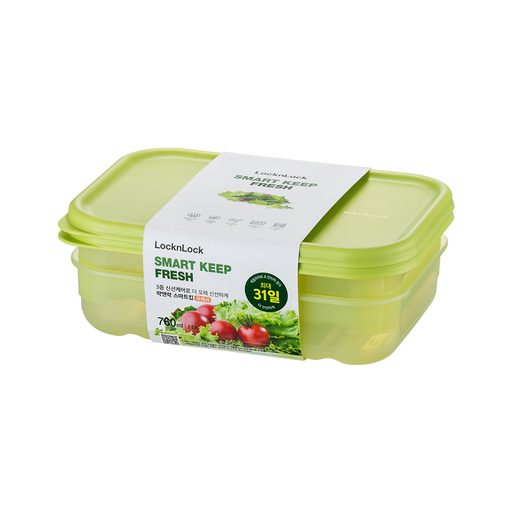
Ideal for those who pack their lunch. This BPA-free plastic container is lightweight, microwave-safe (without lid, 2 min max), and dishwasher-safe. Its format is very convenient for transport.
LocknLock's four-clip locking system is renowned for its reliability, directly countering the risk of leaks. The plastic is treated to limit odour and stain retention, thus preventing premature degradation.
Highly reliable locking system. Modular and stackable design for easy storage.
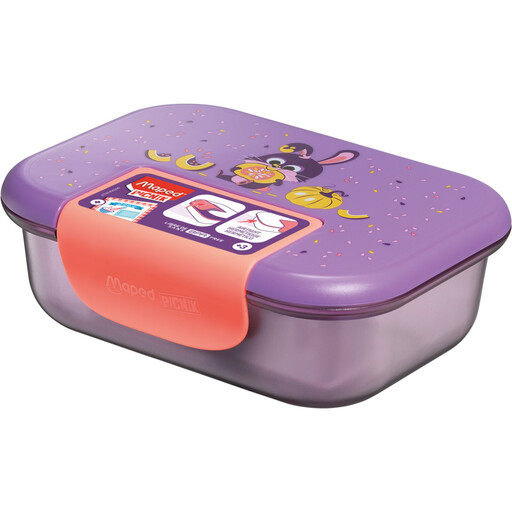
Designed for children, this stainless steel box is sturdy and shock-resistant. The locking clip is easy for little hands to operate, and the attached lid means it won't get lost at school.
Stainless steel is a durable solution that doesn't stain, retain odours, or warp. The simple design with an attached lid solves the problem of lost parts and complex designs that are hard to clean.
Very durable and easy for a child to open. The integrated lid is a real bonus.
We have put together a complete selection of products that meet our quality criteria and safety standards.
The simplest test is to fill it with water, close it securely, then shake it and turn it upside down over a sink. If not a single drop escapes, it's likely reliable for transporting saucy dishes. Also, inspect the gasket: it should be flexible and free of cracks.
No, absolutely not. You must check for the "microwave-safe" symbol (often wavy lines inside a square) on the bottom of the container or its packaging. Even if it is compatible, always remove the lid before heating to prevent pressure build-up and plastic warping. Avoid reheating very fatty or sugary foods, which can reach extremely high temperatures and damage the container.
For stubborn odours, a simple and effective trick is to fill the container with a mixture of hot water and baking soda (one to two tablespoons) and let it sit for several hours, or even overnight, before rinsing. Airing out the open container in the sun can also help to dissipate odours.