
Livraison le jour même ou le lendemain

Qualité garantie

Débloquez vos offres de bienvenue: Livraison GRATUITE | Jusqu'à -80 % | 30 jours d'essai gratuits à JoyPlus
Téléchargez l'application
A good food storage container is the key to better-organized meals, less waste, and hassle-free packed lunches. The problem is, the market is saturated with promises that are rarely kept. A container that leaks in your bag, plastic that turns orange after one use with tomato sauce, or a lid that warps in the dishwasher: we've all been there.
Before you make a decision, let's break down the common pitfalls together so you can finally invest in containers that go the distance.
To avoid being disappointed again, focus on these few technical points that make all the difference in the quality and longevity of your food storage container.
The choice of material directly impacts the durability, food safety, and usability of your container.
glass container?: This is the gold standard for its versatility. Unlike standard soda-lime glass, borosilicate glass handles significant temperature changes without a problem. This allows you to move an oven-safe dish directly to the refrigerator (after a cooling period) without fear of it cracking. It is perfectly hygienic, retains neither odors nor stains, and its contents are visible at a glance.plastic container?: Valued for its light weight and more affordable price, it's the king of the lunch box. Make sure it is made of polypropylene (PP) and is guaranteed BPA-free. Higher-quality models are designed to better resist stains and odors, but caution is still advised with brightly colored, saucy dishes.The reliability of an airtight container depends on its locking system. Models with four-sided locking clips, combined with a silicone seal, are generally the best guarantee against leaks. A crucial point?: check that this seal is removable. A removable seal can be cleaned thoroughly, preventing the buildup of residue and the growth of mold—a recurring problem with entry-level containers.
kitchen organization?: Modularity and SizesNo tidy kitchen is complete without smart storage solutions. Opt for stackable containers to optimize space in your cupboards and refrigerator—a must for refrigerator food storage. A food storage container set with various sizes is often a smart investment for juggling leftovers, single servings, family-sized meals, and dry ingredients.
Here is our selection, designed for different user profiles, always keeping our criteria of quality and practicality in mind.
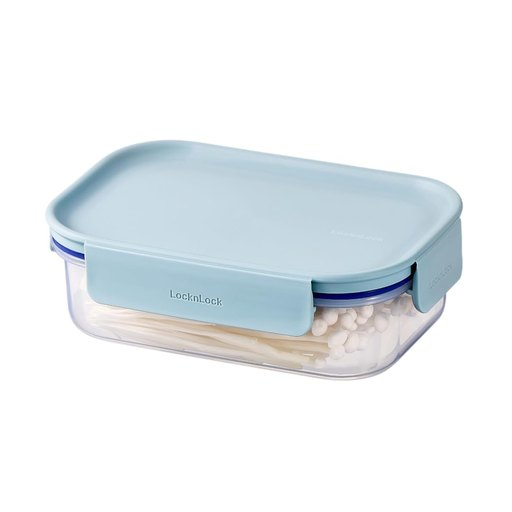
Why it's a great choice : Perfect as a lunch box, its 910 ml capacity is ideal for a full meal. Its plastic design makes it very lightweight for daily transport, and its microwave compatibility is a real plus for reheating lunch at the office.
Its clip-on locking system ensures an excellent seal, minimizing the risk of a disaster in your bag. The BPA-free polypropylene (PP) plastic resists stains much better than budget plastics.
Its stackable design greatly simplifies kitchen organization. Dishwasher, freezer, and microwave safe, it offers rock-solid versatility.

Why it's a great choice : This comprehensive food storage container set, with its 8 sizes (from 150 ml to 1040 ml), covers all of a family's needs: storing leftovers, batch cooking, or keeping ingredients.
The body made of borosilicate glass is the ultimate barrier against stains and odors. It's oven, microwave, and freezer safe, ensuring far superior durability and hygiene compared to plastic.
An ultra-complete set for optimized refrigerator food storage. Glass remains a healthy and durable material that won't degrade over time.

Why it's a great choice : Ideal for Sunday batch cookers who prepare casseroles, lasagnas, or roasts. This large 2-liter oven-safe storage dish allows you to cook, serve, and store leftovers in a single container. Less dishwashing, more organization.
The product page is clear : only the borosilicate glass dish is oven-safe (up to 400 °C), which prevents the disaster of a melted lid. It's this transparency that finally makes the "multi-purpose" claim credible and safe.
Its large 2-liter capacity and resistance to high temperatures are its key strengths. The 4-clip locking system ensures perfectly airtight storage for leftovers in the fridge.
If your cupboards look like a battlefield of mismatched containers and lids, it's time to upgrade to a dedicated storage system. Discover our selection of products that meet our strict selection criteria.
food-grade plastic container??For stubborn odors, fill the container with a mixture of warm water and baking soda (one tablespoon per liter of water). Let it sit for several hours, or even overnight, before rinsing. A little time in the sun can also help fade odors and light stains.
glass container in the oven straight from the freezer??Absolutely not! That's the surest way to make it shatter. Even highly durable borosilicate glass can't withstand such a violent thermal shock. Always let the dish thaw at room temperature for at least 30 minutes before placing it in a preheated oven. And of course, always remove the lid before any use in the oven or microwave.
airtight container??It all depends on the frequency of use and how it's cared for. Inspect it regularly. If it becomes stiff, warped, cracked, or no longer provides a proper seal, it's time to replace it (if the manufacturer offers spare parts). Gentle cleaning, preferably by hand, will extend its lifespan.