
Livraison le jour même ou le lendemain

Qualité garantie

Débloquez vos offres de bienvenue: Livraison GRATUITE | Jusqu'à -80 % | 30 jours d'essai gratuits à JoyPlus
Téléchargez l'application
Finding the perfect food storage container can quickly become overwhelming. Between promises of long-lasting freshness and a multitude of models, it's easy to end up with cupboards full of containers that leak, stain, or have lids that warp after a few washes. As a product expert at Joybuy, I'm here to separate fact from fiction and help you invest in solutions that truly meet your needs, without falling for marketing traps.
Before you start shopping, let's review the three most common disappointments that turn a purchase into a regret:
Knowing these pitfalls is the first step toward a smart and sustainable purchase.
To avoid unpleasant surprises, a few technical details make all the difference. They are the guarantee of the durability, safety, and practicality of your future food container.
The choice of material directly impacts the daily use and maintenance of your containers.
A leak-proof seal is crucial, especially for liquids. The performance of an airtight container depends entirely on its locking mechanism.
A good storage container should adapt to your lifestyle. For optimised kitchen organisation, choose stackable and, if possible, nesting models (which fit inside one another). For meals to go, a bento or a multi-compartment lunch box allows you to separate the different elements of your meal, keeping each food item intact until you're ready to eat.
There's a solution for every need. Here is a selection of products that tick all the boxes we've just discussed in terms of quality and practicality.
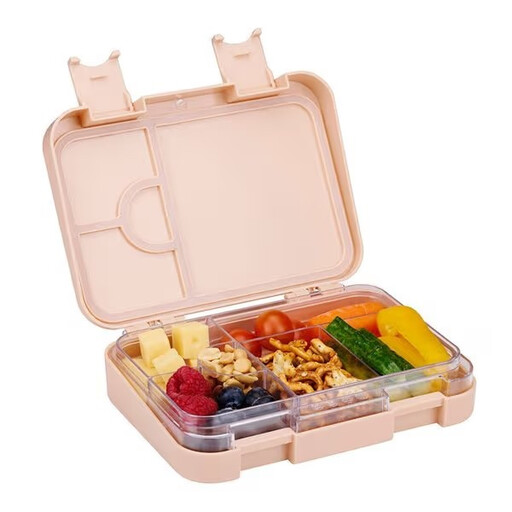
Why we chose it: Ideal for those who prepare their meals in advance. Its compartmentalised structure allows you to separate the main course, sides, and snacks for a balanced and well-presented meal, even at the office.
It solves the modularity puzzle. Instead of using multiple containers, its six fixed compartments prevent foods from mixing, preserving textures and flavours.
All-in-one design for a complete and organised meal. The compartment tray is removable, which makes cleaning much simpler.
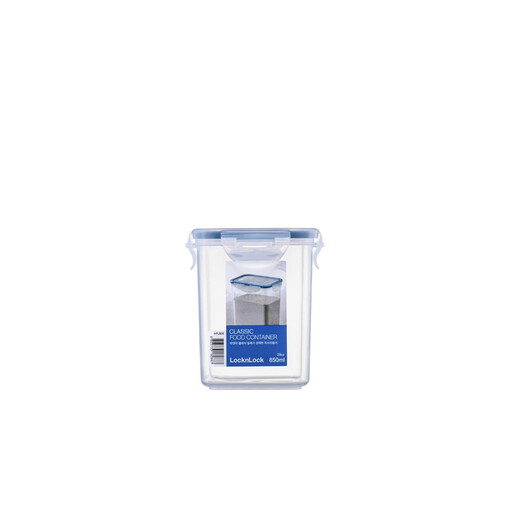
Why we chose it: This is the ultimate multi-purpose container. Perfect for storing leftovers, ingredients, or packing a simple lunch. Its 850ml size is a practical standard for multiple uses.
It tackles the "false seal" trap. Its four-clip locking system and silicone seal have a proven track record for a reliable and durable airtight seal.
Made of food-grade polypropylene material that is durable and easy to clean. Its simple and effective design makes it a reliable choice for everyday use.
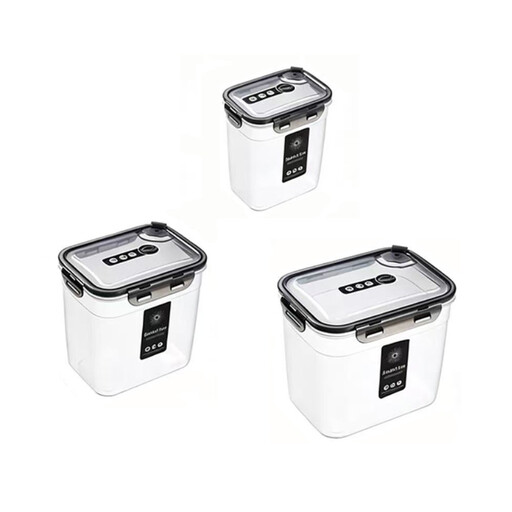
Why we chose it: This set of three sizes (1.4L, 2.5L, 3.8L) is designed for pantry organisation. Ideal for storing pasta, rice, cereal, or flour, protecting food from moisture and optimising space.
It solves the problem of clutter. Their rectangular shape and stackable design allow you to use the vertical space in your cupboards, unlike round or mismatched containers.
The transparency is perfect for identifying the contents and remaining quantity, helping you manage your stock and prepare your shopping list at a glance.
Let's not forget more targeted solutions, like the JORDAN&JUDY transparent egg storage box, which optimises fridge storage while protecting eggs from bumps.
Discover our complete selection of products that meet our standards for quality and safety.
For stubborn stains (tomato sauce, curry) and lingering odours, a paste of baking soda and water is very effective. Apply it to the surface, let it sit for several hours, then wash as usual. A soak in diluted white vinegar can also neutralise odours.
No, always check for the snowflake pictogram. A non-suitable plastic can become brittle and crack at low temperatures. Polypropylene (PP) is generally a material that handles freezing well, but it's always safer to check the manufacturer's label.
The term lunch box is a generic term for a box to carry lunch. The bento, of Japanese origin, is a specific type of meal container. It is characterised by its compartments or different tiers, designed to hold a complete and balanced meal by carefully separating each component.