
Livraison le jour même ou le lendemain

Qualité garantie

Débloquez vos offres de bienvenue: Livraison GRATUITE | Jusqu'à -80 % | 30 jours d'essai gratuits à JoyPlus
Téléchargez l'application
Whether for taking lunch to the office, optimising fridge space, or diving into the famous "?meal prep?", the food storage container has become a kitchen staple. But with a plethora of options available, the risk of ending up with a disappointing product is very real. A lid that leaks in your bag, plastic permanently stained by the first bolognese sauce... who hasn't experienced these mishaps?? Fortunately, they are avoidable. This guide is designed to help you navigate the pitfalls and choose the model perfectly suited to your needs for a useful and long-lasting purchase.
Marketing has mastered the art of touting features that, in practice, turn out to be disappointing. Here are the key points to keep in mind for a successful investment.
The Myth of the Universal Leak-Proof Seal: Many containers claim to be "?airtight?", but not all of them guarantee a completely leak-proof seal during transport. A lid that warps in the dishwasher or a low-quality silicone gasket can lead to a guaranteed leak in your bag. The reliability of the locking system is therefore crucial, especially if you're carrying saucy dishes or soups.
Materials That Don't Age Well: Poor-quality plastic can quickly become stained, absorb odours (even after a thorough wash), or crack when frozen. Not only do these flaws make the container unpleasant to use, but they also raise questions about its longevity and food safety.
The Illusion of Versatility: A container might be marketed as "?microwave-safe?", but this label often fails to mention that the lid is not. Similarly, not all types of glass can withstand the thermal shock of moving from the freezer to the oven. A careful reading of the fine print is essential for all-in-one use without unpleasant surprises.
To make an informed choice, three technical parameters must be examined closely. These are what determine the performance and lifespan of your future container.
The choice of material primarily depends on how you plan to use it.
The effectiveness of a container all comes down to its lid. The locking mechanism therefore deserves your full attention.
A good storage container should make your life easier.
Rather than searching for a one-size-fits-all container that doesn't exist, it's better to choose a model tailored for a specific use. Here are our recommendations, profile by profile.
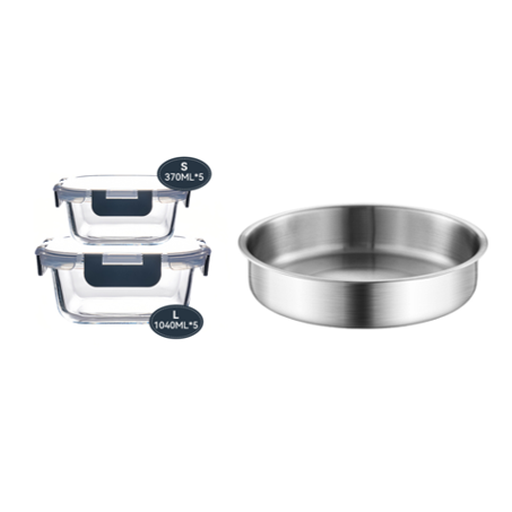
Why we chose it: This 10-piece glass set, available in two sizes, is the perfect tool for organising your meals for the week. It allows you to cook, store, and reheat your dishes in the same container, which is both healthy and durable.
Its borosilicate glass body is impervious to stains and odours, unlike low-end plastics. The clip-on lids ensure a reliable seal for worry-free storage in the refrigerator.
A complete set for turnkey organisation. The glass is microwave and dishwasher safe for a simplified daily routine.

Why we chose it: Perfect for those who want to enjoy a hot meal without a microwave nearby. Its insulated stainless steel design maintains the temperature for hours, and its carrying bag is a real plus for daily commutes.
This model fully embraces its specialisation: it's an insulated lunch box. Its mission is to retain temperature and ensure a perfect seal for transport, a mission accomplished thanks to the screw-top lid and double-wall construction.
Maintains temperature (hot or cold) for 4 to 6 hours. The 316 stainless steel is both robust and hygienic. The included carrying bag is the icing on the cake.

Why we chose it: For those who juggle cooking, storing, and reheating all in the same dish. This large Pyrex glass container goes from the oven for a family-sized bake to the fridge, before ending up in the microwave for reheating.
It avoids the trap of false versatility. Its borosilicate glass is specifically designed to withstand oven heat, while its lid includes a steam vent designed for safe microwave reheating.
The ultimate all-in-one solution: cook, store, and reheat. Its generous 2.3 L capacity is perfect for family meals or *batch cooking*.
We have curated a full range of products that meet our strict selection criteria and current safety standards.
For persistent odours, a time-tested tip has proven effective?: fill the container with a mixture of warm water and baking soda (one to two tablespoons). Let it sit for several hours, ideally overnight, before rinsing thoroughly. Diluted white vinegar is also an excellent alternative.
Absolutely not?! It is crucial to check. Only borosilicate glass is designed to withstand the high temperatures of a conventional oven. Soda-lime glass, which is more common, could shatter under the heat. And of course, always remove the plastic lid before putting it in the oven.
The lifespan of a gasket depends on its quality and how it's cared for. To preserve it, opt for hand washing, as dishwasher detergents can be harsh over time. If it becomes dry, warped, or cracked, it will no longer provide a proper seal. It will then be time to replace the container, unless the gasket is sold separately (which is rare).