
Livraison le jour même ou le lendemain

Qualité garantie

Débloquez vos offres de bienvenue: Livraison GRATUITE | Jusqu'à -80 % | 30 jours d'essai gratuits à JoyPlus
Téléchargez l'application
Better kitchen organisation and less waste: a goal shared by many families. Yet, choosing a simple food storage container can quickly become a real headache. Caught between marketing hype and daily reality, we often end up with cupboards full of containers that don't live up to their promises. To avoid buyer's remorse, here are the most common pitfalls to watch out for.
Knowing how to spot these flaws before you buy is the key to investing in containers that will make your life easier for years to come.
To make the right choice, focus on a few key criteria that make all the difference in day-to-day use.
The choice of material is arguably the most crucial. There's no one-size-fits-all solution; each option has its own strengths.
A worthy airtight container must rely on a foolproof locking system. The best-performing models combine two elements:
This winning combination not only guarantees a leak-proof seal but also preserves the freshness of food by protecting it from air and moisture.
A good storage container must, above all, adapt to your daily life. Modularity is therefore an essential point. Square or rectangular containers with flat lids are much easier to stack, optimising kitchen storage. Are you a fan of meal prep? Opt for containers that go directly from the fridge to the microwave. And for those who think big, an oven-safe glass container is an undeniable advantage.
Rather than an endless list, here is our selection of products designed for specific needs.
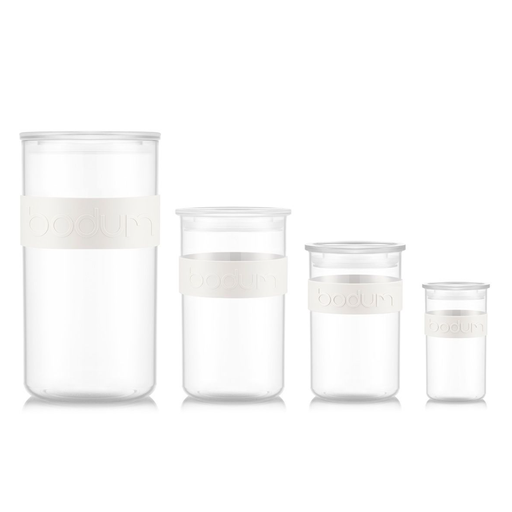
Why we love it : For families who finally want a coherent storage system, this set of storage containers is the turnkey solution. With 12 pieces in four different sizes, it meets every need, from dinner leftovers to dry goods in the pantry.
This set ends cupboard chaos thanks to its uniform and perfectly stackable design. Made from BPA-free plastic, it eliminates the risks associated with low-quality plastics (degradation, food safety).
A single purchase for harmonious organisation of the fridge and cupboards. The airtight seal ensures optimal preservation.
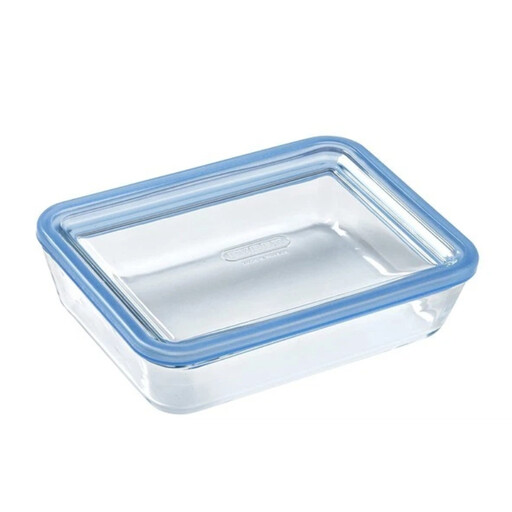
Why we love it : The perfect partner for *meal prep* enthusiasts. This glass container lets you cook a casserole, store it, freeze it, and then reheat it in the microwave... all in the same dish.
Its borosilicate glass is resistant to stains and odours, unlike cheap plastics. Able to withstand high heat (without its lid), it's the ultimate versatile meal prep tool.
Absolute versatility: this dish is oven-safe, microwave-safe, freezer-safe, and dishwasher-safe. One container to cook, store, and serve.
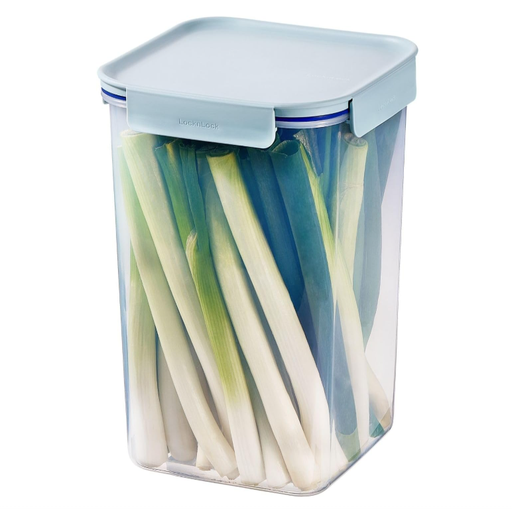
Why we love it : Perfect for storing dry foods like flour, sugar, pasta, or cereal. Its large capacity and square shape are designed to maximise vertical storage space in cupboards.
This model is the direct answer to the puzzle of non-stackable containers. Its modular design ensures ultra-efficient kitchen storage. As a bonus, its locking system is renowned for its airtight seal, perfectly protecting food from moisture.
Maximum space saving thanks to its square, stackable shape. Its large capacity is perfect for bulk-purchased goods.
We've put together a complete selection of products that meet our quality criteria and current safety standards.
The "BPA-free" label guarantees that bisphenol A, a controversial chemical compound, was not used to manufacture the plastic. European health authorities strictly regulate materials intended for food contact. A product sold in the UK and certified as BPA-free is therefore considered safe for its intended use. However, it is still recommended to follow the manufacturer's instructions, especially for microwave use.
For plastic containers, the first step is to wash them immediately after use. If an odour persists, cleaning with white vinegar or baking soda often works wonders. Always let them air dry with the lid off before storing them. This problem generally doesn't occur with glass containers, which are non-porous and do not trap odours.
Yes, most borosilicate glass containers are freezer-safe. However, there is one essential precaution to take to avoid thermal shock: never fill the container to the brim (liquids expand when they freeze) and let the container return to room temperature for a few minutes before putting it in the oven or microwave. Never transfer a glass container directly from the freezer to a preheated oven.