
Livraison le jour même ou le lendemain

Qualité garantie

Débloquez vos offres de bienvenue: Livraison GRATUITE | Jusqu'à -80 % | 30 jours d'essai gratuits à JoyPlus
Téléchargez l'application
A good food storage container is the difference between a delicious meal and leftovers destined for the bin. But faced with an overwhelming array of options, it's easy to get lost. Between promises of absolute leak-proof seals and materials with confusing names, how do you make the right choice for preserving your food? As a Product Recommendation Manager at Joybuy, my job is to cut through the noise for you. Let's skip the marketing jargon and get straight to the point to help you make a truly useful and long-lasting purchase.
To ensure you don't regret your purchase, here are the three classic mistakes that can turn a good idea into a disappointment.
To avoid these setbacks, focus on three criteria that truly make a difference in quality and practicality.
Each material serves a specific need.
The true seal of an airtight food container comes down to its lid. Period. The most reliable systems combine two key elements:
A simple press-on lid is rarely enough to transport liquids without risk. Forget about carrying soup in your bag with one of those.
For a tidy kitchen, stackability is non-negotiable. Opt for square or rectangular stackable food containers. They make the most of every corner in your cupboards and fridge, whereas round containers create wasted space.
Rather than searching for a do-it-all container (which is often mediocre at everything), it's better to choose a model tailored to your habits.
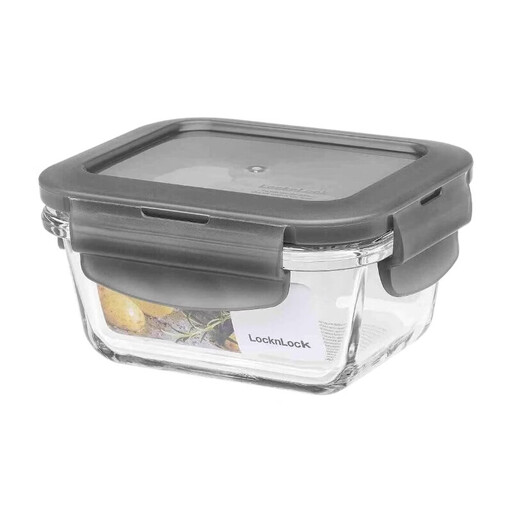
Why it's a great choice: For those who prep their meals in advance, versatility is king. This glass container goes from the freezer to the oven (without the lid) and then straight to the table, simplifying prep and reducing washing up.
The heat-resistant glass (up to 400°C) eliminates the risks of warping and staining associated with plastic. Its locking lid and silicone seal ensure a foolproof closure.
One dish to cook, store, reheat, and serve. The perfectly neutral glass preserves the original flavour of the food.
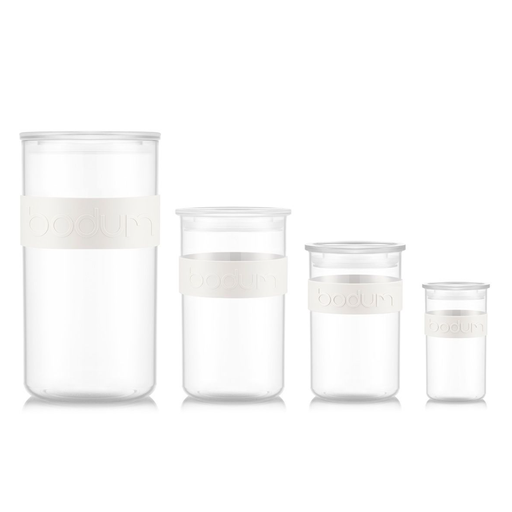
Why it's a great choice: To manage leftovers, snacks, and dry ingredients, a complete and uniform set is a real game-changer. This 12-piece set with 4 different sizes helps to standardise and optimise storage.
The stackable design of this set directly addresses the problem of clutter. The BPA-free plastic and airtight seal ensure safe and effective storage.
A complete and coherent system for optimised kitchen storage. The different sizes adapt to all uses, from salad dressing to a family-sized dish.
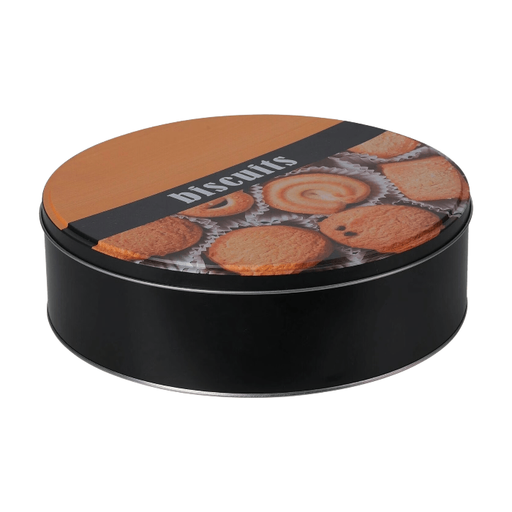
Why it's a great choice: Biscuits and dry cakes have specific needs: they must be protected from air and light to prevent them from going soft. A metal tin is the ideal tool for this mission.
It avoids the trap of using an unsuitable container. Unlike plastic, metal is opaque and creates an effective barrier against moisture, thus preserving the precious crunch of the biscuits.
Specialisation. This biscuit tin is designed for one thing and does it perfectly: keeping dry cakes and biscuits crisp for longer.
We have curated a complete range of products that check all the boxes for our selection criteria and safety standards.
It all depends on the material and how you care for it. A glass food container can last for many years if it isn't chipped or broken. A high-quality plastic container can be used for several years, but the lid and its seal are often the first parts to wear out. Hand washing is often preferable to extend their life.
Most can, but checking the manufacturer's instructions is always a good idea. For glass, it's essential to leave at least 2 cm of empty space at the top to allow liquids to expand without cracking the container. For plastic, make sure it is specified as "freezer-safe" to prevent it from becoming brittle in the cold.
This is the classic problem with plastic containers. For persistent odours like garlic, curry, or tomato sauce, a simple home remedy is to make a paste with baking soda and a little water. Rub the inside of the container with this paste, let it sit for several hours, then rinse. Another trick: fill it with a mixture of water and white vinegar, let it sit overnight, and then wash.