
Same-day & Next-day Delivery

Quality Guaranteed

Unlock Your Welcome Offers: FREE Delivery | Up to 80% OFF | Free 30-day JoyPlus trial
Download the APP
A good food storage container can simplify your life in the kitchen, reduce waste, and keep your food fresh for much longer. The problem? The market is flooded with products and their often-misleading marketing promises. To make the right choice, it's crucial to read between the lines and identify the features that truly matter.
As a Product Expert at Joybuy, I'm here to guide you through this jungle of options. Together, let's break down the most common pitfalls and the criteria to check for, so you can find containers that will last, whether for organizing your kitchen or for packing your lunch box.
Making the wrong choice can quickly lead to leaks in your bag, food losing its flavor, or containers that are ready for the trash after just a few months. Here are the most common traps.
To avoid making a mistake, focus on a few key technical points. These are the true guarantors of a food storage container's quality and durability.
The choice of material is critical for your container's use, durability, and safety.
Beware of simple press-on lids. For a foolproof seal, demand the winning combination:
Your needs will guide your choice of shape and features.
Here are a few options that cater to different profiles, taking into account the quality criteria we've just reviewed.
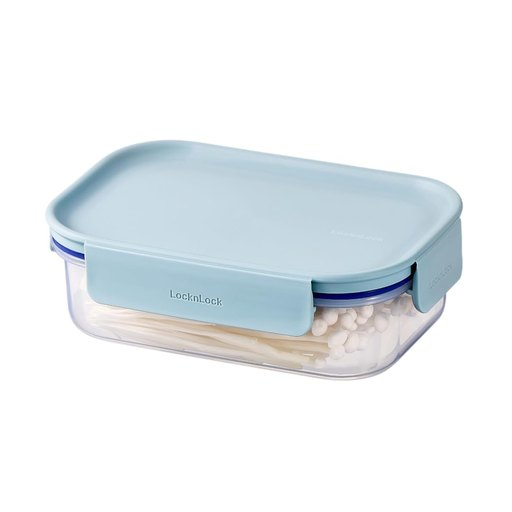
Why we love it: Its 910 ml capacity is ideal for a full meal. Lightweight and sturdy, it's perfect for daily use. Its stackable design is a real bonus for organizing your weekly menus.
The four-clip locking system and silicone seal guarantee a foolproof, leakproof experience. Say goodbye to soup-at-the-bottom-of-your-bag syndrome!
Made from BPA-free plastic, it's dishwasher and microwave safe (with the lid open). A powerful combination for hassle-free daily use.
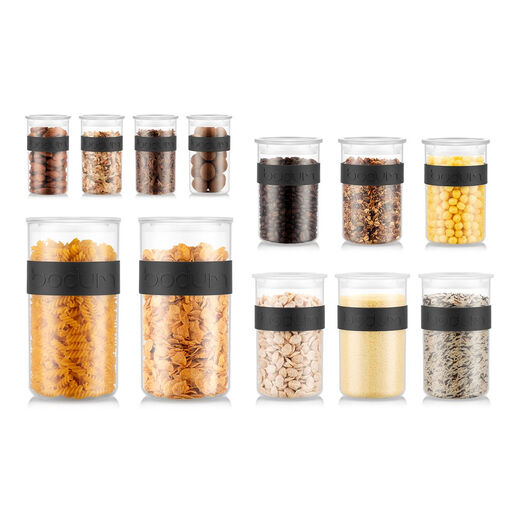
Why we love it: This set of food storage containers is the all-in-one solution for the kitchen. With four sizes, it adapts to everything from dinner leftovers and dry pantry goods to family-sized portions.
No more chaos from mismatched containers that pile up and refuse to stack. By offering a unified system, this set streamlines storage. Your kitchen can finally breathe.
The versatility of the 12 containers ensures optimal storage for any type of food, from an open package of pasta to a slice of lasagna.
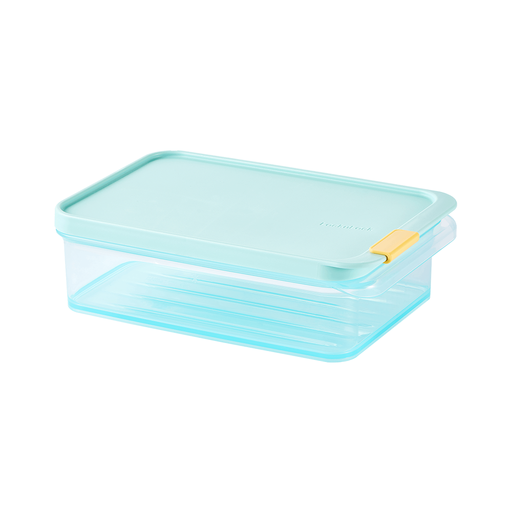
Why we love it: Designed for freezer storage, this container withstands freezing temperatures. Its recessed lid ensures stable stacking to optimize every square inch of your freezer.
It knocks out plastic that cracks at the first sign of cold. Its polypropylene and elastomer composition guarantees unbeatable flexibility, even after countless trips to and from the freezer.
The transparent body and label clips let you see the contents and date at a glance. Ideal for never again throwing out an unidentified mystery dish.
We've put together a complete selection of products for you that check all the boxes in our guide: quality, safety, and durability.
1. Glass vs. Plastic Containers: The Daily Showdown
It all depends on your use case. The glass container is the champion of neutrality (zero stains, zero odors) and versatility (it's oven-safe), but it's heavier and more fragile. The lighter BPA-free plastic container is the perfect partner for on-the-go lunches. In any case, opt for high-quality plastic to limit any issues.
2. How can I tell if a container is truly leakproof?
A truly leakproof seal comes down to two tell-tale details: a flexible silicone gasket in the lid and a four-sided locking clip system. A lid that only clips on one or two sides or simply presses on will never be a reliable guarantee against leaks.
3. Can you really put all plastic containers in the microwave?
Absolutely not. It is crucial to read the manufacturer's instructions. The microwave-safe label often only applies to short reheating times (2-3 minutes) and without the lid. You should also avoid reheating very fatty or sugary foods, which can reach extreme temperatures and damage the plastic. For peace of mind when reheating, a glass container remains the safest alternative.