
Livraison le jour même ou le lendemain

Qualité garantie

Débloquez vos offres de bienvenue: Livraison GRATUITE | Jusqu'à -80 % | 30 jours d'essai gratuits à JoyPlus
Téléchargez l'application
A well-organised kitchen starts with common sense and the right containers. Yet, choosing a food storage container can quickly become overwhelming. Between broken promises of an airtight seal, materials that degrade, and lids that warp, it's easy to make the wrong choice. As a product expert at Joybuy, my mission is to help you gain some clarity and choose containers that will genuinely simplify your daily life.
Before we even get into the technical details, let's review the classic mistakes that often end in disappointment and wasted money.
For kitchen and pantry storage that stands the test of time, three criteria must be examined closely.
The choice of material has a direct impact on your container's use, durability, and hygiene.
The effectiveness of an airtight food container hinges on its locking system.
A good meal prep container must adapt to your daily routine. Always check its compatibility with your appliances:
Rather than an endless list, we've selected models that meet specific needs, based on our criteria for quality and practicality.
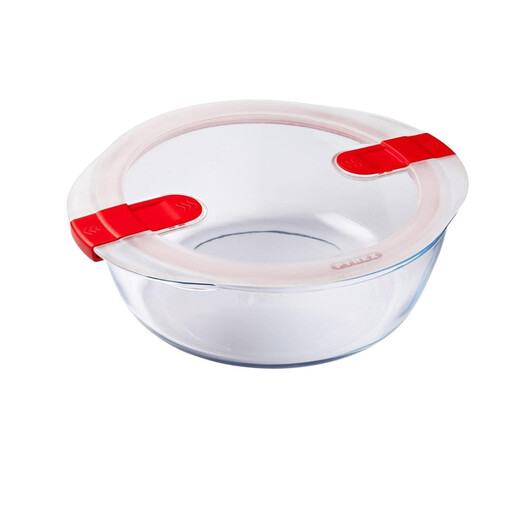
Why we love it: Perfect for meal prep or batch cooking. Its large 2.3 L capacity can hold a family-sized meal, and its borosilicate glass body allows you to cook, store, reheat, and serve, all in the same dish.
Its glass body resists stains and odours. The lid includes a steam vent that prevents any warping in the microwave.
Absolute versatility: oven-safe (without lid), microwave-safe, freezer-safe, and dishwasher-safe. One dish from start to finish.
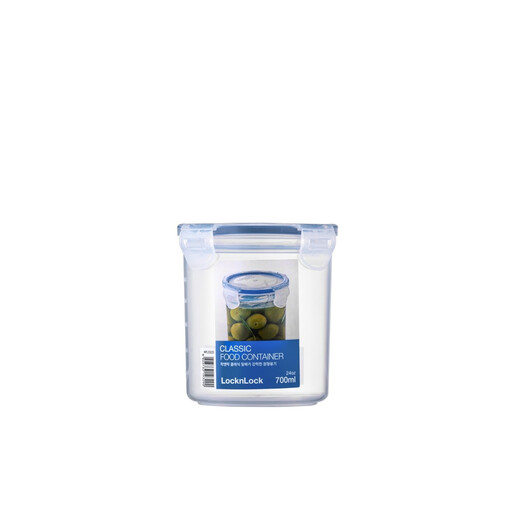
Why we love it: Perfect for taking lunch to the office or on the go. Its 700 ml capacity is ideal for a single serving, and its plastic design makes it ultra-lightweight.
Its 4-clip locking system, combined with the silicone gasket, guarantees a leak-proof seal. No more salad dressing leaks in your bag!
100% airtight and leak-proof. Made from BPA-free plastic, it's safe for both the microwave (with clips open) and the freezer.

Why we love it: For those who want to start from scratch and organise their pantry, or for a first home. This complete set offers a unified solution for storing dry goods (pasta, rice, cereal, biscuits...).
This cohesive set puts an end to stacks of mismatched and impractical containers. The airtight lids are designed to preserve the freshness of dry foods.
A complete set of storage containers with 4 different sizes for streamlined organisation and a clean design.
Discover our full selection of products that meet our quality criteria and the strictest safety standards.
1. How do I remove stubborn odours from a plastic container? To neutralise odours, fill the container with a mixture of warm water and baking soda (one tablespoon per litre of water). Let it sit for several hours, or even overnight, before rinsing thoroughly. Avoid white vinegar, which can paradoxically set certain odours.
2. Can I put a hot food container directly into the refrigerator? This is a bad idea. Placing a very hot container in the fridge forces the compressor to work harder, which increases energy consumption and can affect the temperature of other foods. Let your dish cool to lukewarm at room temperature (about 30 to 60 minutes) before refrigerating it.
3. What is the lifespan of a food storage container? The lifespan depends on the material and its care. A well-maintained glass container can last for years, as long as it isn't chipped. A good quality plastic container can last for several years, but it should be replaced if it has deep scratches, ingrained stains, or if its lid no longer closes properly. Remember to regularly inspect the silicone gasket to ensure it is not cracked or warped.