
Livraison le jour même ou le lendemain

Qualité garantie

Débloquez vos offres de bienvenue: Livraison GRATUITE | Jusqu'à -80 % | 30 jours d'essai gratuits à JoyPlus
Téléchargez l'application
A good food storage container can be a game-changer in your kitchen: less waste, fresher meals for longer, and simplified organisation. But with a saturated market, it's hard to know where to start. A container that leaks in your bag, plastic stained forever by bolognese sauce, a lid that warps in the microwave... We're all familiar with these everyday frustrations.
As a product expert for the editorial team, I test and analyse dozens of models to help you see more clearly. This guide gets straight to the point: we'll break down the essential criteria for making the right choice and help you avoid the most common pitfalls.
Before you even start comparing models, learn to spot the design flaws that turn a bargain into future waste.
For a truly worthwhile purchase, three points need to be examined closely.
The choice of material determines the container's use, lifespan, and ease of maintenance.
The seal is all about the lid-and-gasket duo. Systems with four clips are often a sign of reliability, as they distribute pressure evenly. As for the gasket, it should be made of silicone, be sufficiently thick, and—crucially—be removable. A removable gasket is the only way to guarantee a deep clean to hunt down residue and prevent mould growth.
A quick look at the pictograms on the packaging will save you a lot of trouble:
Rather than an endless list, we've selected models that excel in their category, designed for specific uses and users.

Why it's the right choice: Ideal for batch cooking fans. Its 630 ml capacity is perfect for a single serving. You can prepare your casserole right in it, store it in the fridge, and reheat it at the office. Simple and effective.
Its borosilicate glass body is impervious to stains and odours, unlike low-quality plastics. Its versatility (oven, microwave, freezer) makes it a long-term investment.
Healthy and durable material; reliable 4-clip locking system for a flawless seal.
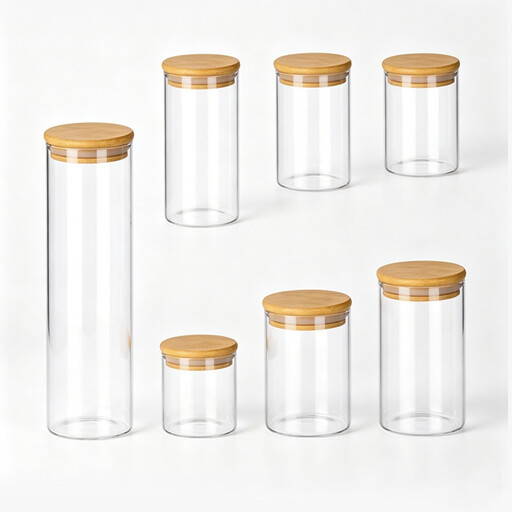
Why it's the right choice: This set of food storage containers is the perfect partner for pristine pantries. The different sizes are perfect for storing all your dry goods: pasta, rice, flour, cereal, or legumes.
Unlike purely decorative jars with flimsy seals, this storage jar is truly airtight. It protects food from moisture and pests, preserving its freshness for much longer.
Transparent glass body to see everything at a glance, aesthetic wood-effect lids, and a set of 7 sizes for perfect organisation.
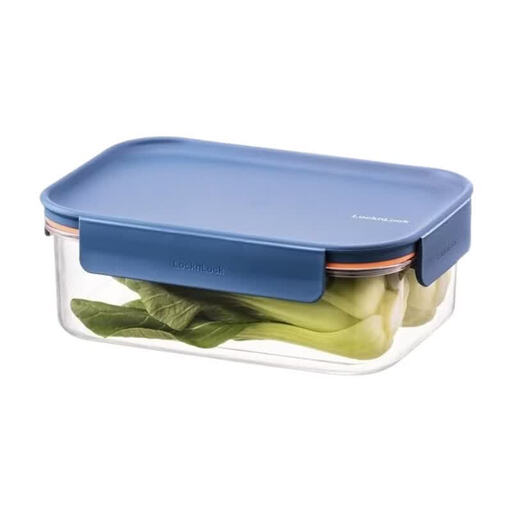
Why it's the right choice: For families, practicality is king. This Tritan model is ultra-lightweight, making it easy to handle and take on the go. Its modular design allows you to stack the containers to optimise every square inch of the fridge.
Tritan is a high-performance plastic that resists stains and odours much better than standard plastics. It's a BPA-free food container designed to last, not to be thrown away after six months.
Lightweight and durable Tritan; stackable modular design for maximum space-saving; effective 4-clip locking system.
Discover our full selection of products that meet our quality criteria and the strictest safety standards.
For impeccable hygiene and a long-lasting seal, the secret is to remove the silicone gasket from the lid at least once a week. Wash it by hand with warm, soapy water, rinse it thoroughly, and most importantly, let it air dry completely before putting it back. This is the best way to prevent the growth of bacteria and mould.
Even with a borosilicate glass container, this is a very bad idea. The extreme thermal shock could cause it to crack or even shatter. The correct method: let the container thaw at room temperature for several minutes before placing it in a preheated oven.
Absolutely not. Always check for the "microwave-safe" pictogram on the container or its packaging. The basic rule is to always remove the lid before reheating to allow steam to escape. Also, be wary of very fatty or sugary foods: they can reach extreme temperatures and melt or damage the plastic.