
Livraison le jour même ou le lendemain

Qualité garantie

Débloquez vos offres de bienvenue: Livraison GRATUITE | Jusqu'à -80 % | 30 jours d'essai gratuits à JoyPlus
Téléchargez l'application
A good food storage container promises a better-organised kitchen, food that stays fresh longer, and on-the-go lunches without any nasty surprises. Yet, the market is saturated with products that often make disappointing claims. Who hasn't found salad dressing at the bottom of their bag from an airtight container that wasn't so airtight after all? Or thrown out a plastic container permanently stained by tomato sauce?
As a product expert at Joybuy, my mission is to help you make sense of it all. This guide breaks down the pitfalls to avoid and the criteria that truly matter, so you can make an informed choice that fits your needs.
Before you pull out your credit card, learn to spot the hidden flaws behind the marketing claims.
To avoid these disappointments, focus on three essential points that make all the difference in the quality and lifespan of your food container.
The secret to a truly airtight container? Its sealing mechanism. The most reliable models combine two key elements:
Always check the pictograms on the product or its packaging. A truly versatile container should clearly indicate its compatibility with:
Rather than an endless list, here are our targeted recommendations for different profiles, all of which avoid the pitfalls we've just discussed.
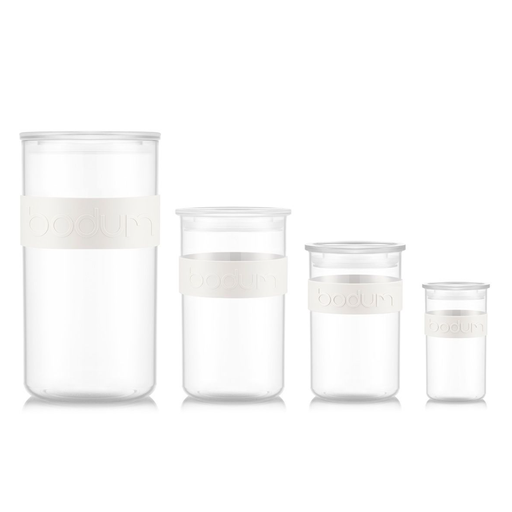
Why we chose it: For those who finally want to bring order and optimise space in their cupboards and fridge. This comprehensive set allows you to store dry goods (pasta, rice, cereal) and leftovers, offering a complete and harmonious solution for kitchen organisation.
No more chaotic stacking of mismatched containers! This system is designed to be perfectly stackable and therefore has a very small footprint. Its airtight seal ensures optimal preservation of dry foods, where entry-level containers often fail.
A complete set of 12 BPA-free plastic containers, available in 4 sizes for maximum versatility.

Why we chose it: Ideal for professionals and students who prep their lunches in advance. Its size is perfect for a single portion, and its glass container design allows you to reheat the meal directly at the office without needing to transfer it to another dish.
Its borosilicate glass body won't stain or absorb odours, unlike plastic which retains memories of your last saucy dish. The 4-clip system ensures a foolproof seal, so you can say goodbye to leaks in your bag.
Goes from the freezer to the oven (without its lid), then into the dishwasher. Total versatility for a simplified daily routine.
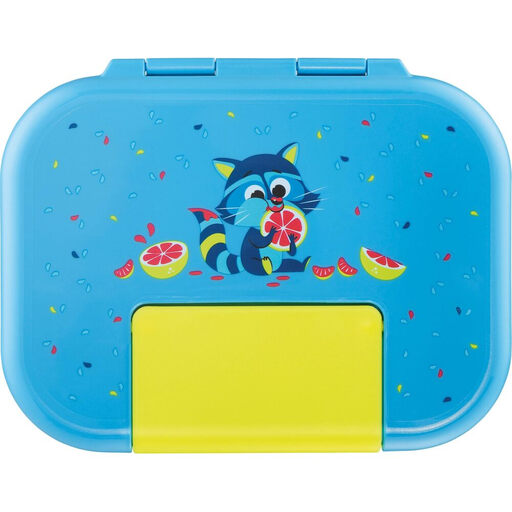
Why we chose it: Designed for kids' meals at school or on outings, this snack box is as sturdy as it is easy to handle. Its stainless steel base can withstand the roughest treatment in a school bag, and its opening mechanism is adapted for small hands, promoting independence.
Its lid is attached to the base, eliminating the risk of losing it—a classic problem with kids' containers. Its stainless steel base is far more durable than plastic, which always ends up cracking.
An ultra-simple opening clip and an attached lid so you'll never have to look for it again. The stainless steel base is hygienic and virtually indestructible.
We've put together a full selection of products that meet our demanding selection criteria and European safety standards.
To neutralise odours, make a paste with baking soda and a little water. Spread it inside the container, let it sit for several hours (or even overnight), then rinse thoroughly.
As a general rule, no. It is strongly advised not to put a plastic lid in the microwave. The heat can warp it and damage the airtight seal. The safest option is to remove it or simply place it on top without clipping it shut. Always check the manufacturer's symbols.
Yes. Stainless steel is a non-porous material: it doesn't absorb bacteria, odours, or stains, unlike many plastics. When cleaned properly, it therefore offers a perfectly healthy surface for food storage.