
Same-day & Next-day Delivery

Quality Guaranteed

Unlock Your Welcome Offers: FREE Delivery | Up to 80% OFF | Free 30-day JoyPlus trial
Download the APP
Choosing the right food storage container is key to streamlining meal management, reducing waste, and keeping your food fresh for longer. The problem? The market is saturated with products whose marketing claims are often disappointing. A lid that warps, plastic that stains after the first tomato sauce, or a set of containers that's impossible to store properly: these frustrations are unfortunately all too common.
As Head of Product Recommendations at Joybuy, I'm here to help you cut through the noise. Together, let's break down the pitfalls to avoid and the essential criteria for making an informed choice that's perfectly suited to your daily life.
Before you start shopping, let's review the design flaws that can turn a good deal into a nightmare after just a few months of use.
To avoid these disappointments, three fundamental criteria make all the difference and define the quality and practicality of a food storage container.
The choice of material is crucial and depends on your primary use.
A good lid is just as crucial as the container itself. The most reliable systems combine a removable silicone gasket (for easy cleaning) and a four-latch locking mechanism. This design ensures even pressure on the gasket, guaranteeing a leak-proof seal and better food preservation in the fridge.
A good set of food storage containers should fit seamlessly into your kitchen. Check the following points:
Here is our selection, curated to meet specific needs by applying the quality and practicality criteria we've just discussed.

Why it's the right choice: Perfect for those who prep their meals for the week in advance. This 10-piece set of borosilicate glass containers (5 large and 5 small) lets you cook, store, and reheat meals in a single, healthy, and durable container.
Unlike low-grade plastics, borosilicate glass is resistant to both stains and odours. The latching lids provide a reliable seal for transport.
A healthy and versatile material (oven, microwave, and freezer safe). The set of two sizes offers great flexibility for main dishes and sides.

Why it's the right choice: For those who pack their lunch every day. The 304 stainless steel is lightweight and unbreakable, making it the ideal companion for commuting. The deep design is perfect for large salads or saucy dishes.
Unbreakable and durable, stainless steel withstands bumps in a bag. The glass lid lets you see the contents without opening it, and the silicone gasket ensures a tight seal.
The perfect combination of lightweight stainless steel and a practical glass lid. The containers are stackable for optimised storage.
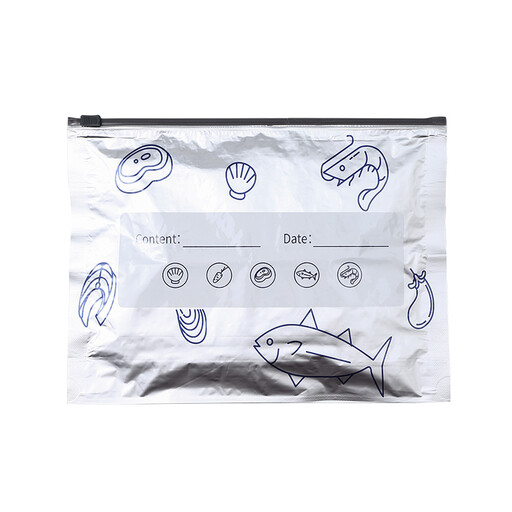
Why it's the right choice: To optimise every square inch of your freezer and effectively protect meat, fish, or vegetables. These flat bags are the ideal alternative to bulky, rigid containers.
The composite material with an aluminium foil layer blocks light and air, which slows down oxidation and prevents freezer burn far more effectively than a standard plastic bag.
Dramatic space-saving and superior protection against oxidation. The writing area allows you to easily identify the contents and the freezing date.
Explore our full selection of products that meet our quality criteria and the strictest safety standards.
For glass and stainless steel, use a soft sponge and a non-abrasive detergent to avoid scratching the surfaces. For all models with a gasket, we recommend removing the silicone strip from the lid to wash it separately. This prevents residue build-up and mould growth. Make sure all components are completely dry before storing them to prevent odours.
This is strongly discouraged. Even highly resistant borosilicate glass can crack from sudden thermal shock. The best practice? Let the container thaw for a few minutes at room temperature or run it under lukewarm water before microwaving, making sure to always remove the lid.
No, under no circumstances. You should never place a metal object, including a stainless steel food container, in a microwave oven. You risk causing sparks and irreversibly damaging your appliance. Stainless steel containers are intended for storage, transport, and sometimes for reheating in a conventional oven (according to the manufacturer's instructions), but never in the microwave.