
Livraison le jour même ou le lendemain

Qualité garantie

Débloquez vos offres de bienvenue: Livraison GRATUITE | Jusqu'à -80 % | 30 jours d'essai gratuits à JoyPlus
Téléchargez l'application
Save time in the kitchen and waste less—who wouldn't want that? Between weekly meal prep (meal prep), managing leftovers, and organising groceries, finding the right food storage container can be a daunting task. Yet, it's the key to simplifying your daily routine and reducing waste.
Navigating the jungle of available models can be overwhelming. This guide is here to help: we've established simple selection criteria and curated the best products to help you make the right choice—one that truly fits your habits and your kitchen.
Before you rush into a decision, take a moment to define your needs. Three key criteria will help you see things more clearly.
It's the great debate: glass or plastic? Each material has its pros and cons:
An airtight seal is non-negotiable. It's your guarantee for keeping food fresh and avoiding disasters in your backpack. For this, nothing beats lids with a silicone gasket and a four-sided locking clip system: it's the winning combination for ultimate leak-proof protection.
The stackable feature is the other key criterion for optimising storage. Containers that nest or stack perfectly promise maximum space-saving in your cupboards, fridge, or freezer.
The right container for every need:
We've selected a few gems for you that cater to different needs, all chosen for their practicality and smart design.
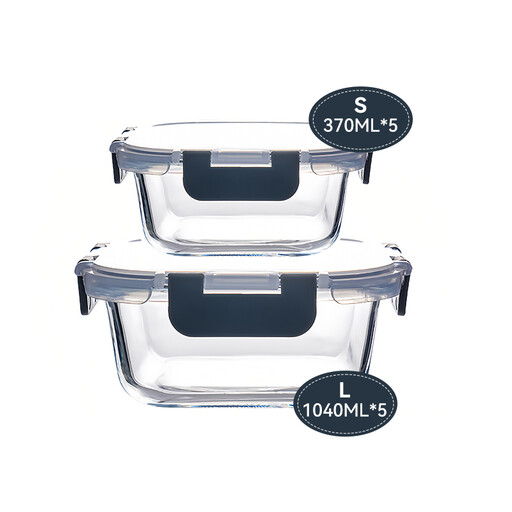
Highlights: This comprehensive set from JORDAN&JUDY is the ideal solution for those who prefer glass. It consists of ten pieces made from borosilicate glass, renowned for its excellent heat resistance. The set includes a practical mix of two useful sizes (five 1040?ml and five 370?ml), perfect for meal prep: enough to store a main dish, a side, or a snack. The locking lids ensure a perfectly tight seal.
Pros:
Who is it for? For anyone who does meal prep and wants a healthy, durable alternative to plastic for storing, transporting, and reheating their meals. An excellent starter kit for getting properly equipped.
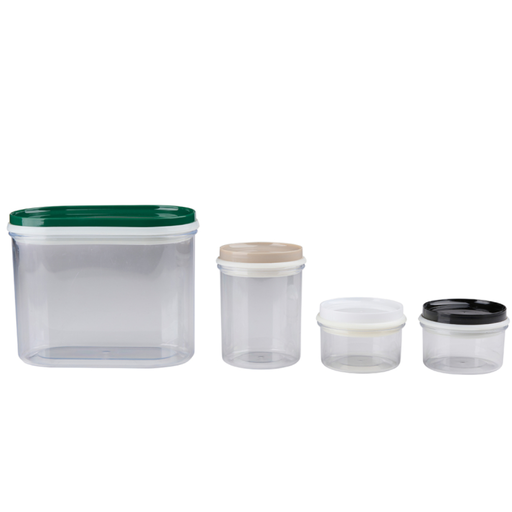
Highlights: The Alpina 4-piece set gets straight to the point: a simple, functional solution for everyday use. Made from food-grade plastic (polypropylene), they are ultra-lightweight and easy to handle. The set offers four different sizes (90?ml, 230?ml, 970?ml), making it very versatile for storing leftovers, a sauce, or a snack. Their stackable and nestable design is a major bonus for saving space.
Pros:
Who is it for? Ideal for students, budget-conscious shoppers, or anyone looking for lightweight, practical containers for everyday fridge use, without needing them to be oven-safe.
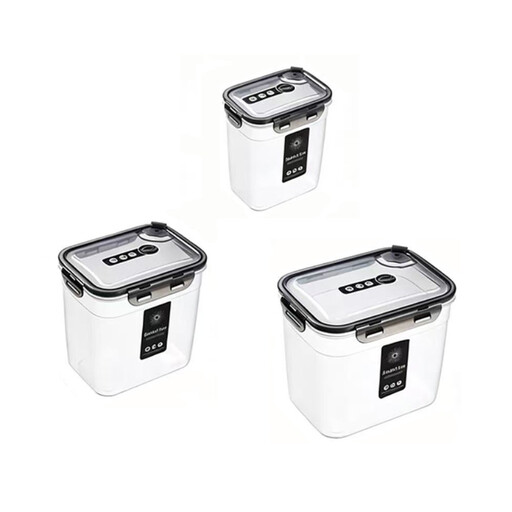
Highlights: Specifically designed for storing dry goods, this three-piece set from JORDAN&JUDY will revolutionise your pantry. Its three large sizes (1.4?L, 2.5?L, and 3.8?L) are perfect for storing cereal, pasta, legumes, or flour. Their transparent bodies let you see the contents at a glance, while their vertical and stackable design makes the most of every square inch of your shelves.
Pros:
Who is it for? For anyone who dreams of a perfectly organised pantry. An effective solution for storing dry goods in a hygienic, practical, and aesthetically pleasing way.
Our selection focuses on containers, but kitchen organisation doesn't stop there. Drawer dividers, refrigerator storage bins... there are countless solutions to make your life easier.
To discover other storage tips, take a look at our Transparent Plastic Drawer Containers category.
It all comes down to the material. Glass, which is heavier, is unbeatable for long-term durability: it resists heat, doesn't stain, and absorbs no odours. Plastic, being lighter and less fragile, is the king of convenience for transport. Your choice will depend on what you prioritise: the durability and hygiene of glass, or the lightweight convenience of plastic.
The secret to a reliable airtight food container? A silicone gasket in the lid, combined with a four-sided locking clip system. This combination ensures uniform pressure and a foolproof seal, the best defence against leaks.
The vast majority of glass containers and food-grade plastic containers are freezer-safe. However, always check the manufacturer's recommendations to be sure. Pro tip: if you're freezing a liquid (like soup or sauce), never fill the container to the brim. Leave some space to allow the liquid to expand without cracking the container.