
Livraison le jour même ou le lendemain

Qualité garantie

Débloquez vos offres de bienvenue: Livraison GRATUITE | Jusqu'à -80 % | 30 jours d'essai gratuits à JoyPlus
Téléchargez l'application
A good food storage container can simplify your life in the kitchen, reduce waste, and become your best ally for meal prep. The problem? The market is saturated with products making tempting promises that often fall short. A lid that warps, a questionable seal, an unsuitable material… and your purchase quickly turns into a frustrating experience.
As the Head of Product Recommendations at Joybuy, my mission is to help you cut through the noise. Let's forget the marketing jargon and focus on the criteria that truly matter. Here’s how to avoid the most common pitfalls and choose storage containers that finally meet your needs.
To avoid making a mistake, you just need to focus on a few key points. These are what will determine the durability, safety, and practicality of your containers on a daily basis.
This is the first decision to make, as it affects everything else.
The effectiveness of an airtight container rests entirely on its lid. The most reliable systems combine two elements:
For modern use, especially for meal prep (preparing meals in advance), versatility is a key advantage. Always check the pictograms or manufacturer's instructions regarding compatibility with:
Rather than an endless list, here are a few models that stand out for their design and meet very specific needs.
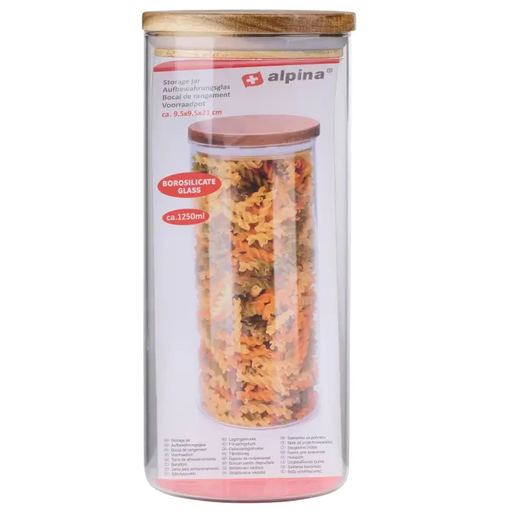
Why we love it: Perfect for those who see storage as a way of life. This storage jar is ideal for displaying your dry goods (pasta, rice, coffee) on a shelf. It brilliantly combines aesthetics with practicality.
Its square shape is designed for perfect alignment and stacking. It thus avoids the "false space-saving" trap and creates a visually flawless organisation.
Its acacia wood lid with a silicone seal ensures an airtight closure for dry foods, while the transparent glass body allows you to identify the contents at a glance.

Why we love it: For fans of *batch cooking* and meals prepared in large quantities. This dish allows you to cook in the oven, store in the freezer, and reheat in the microwave, all in one container. It's versatility personified.
It solves the headache of material incompatibility. Its ultra-durable borosilicate glass body is designed for the oven, while its lid with a steam valve is optimised for healthy microwave reheating.
Its large 2.3 L capacity and all-in-one concept (cooking, storing, reheating) make it the perfect tool for family meal preparation or weekly *meal prep*.
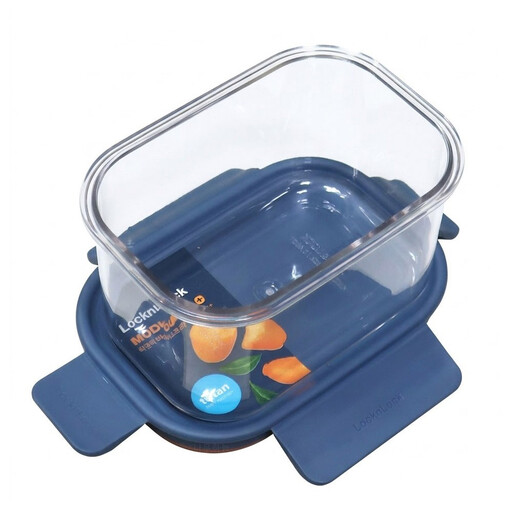
Why we love it: For storing dinner leftovers, taking lunch to the office, or storing small portions. This BPA-free plastic container is lightweight, sturdy, and designed for heavy use and smart storage.
It tackles the "100% airtight" myth head-on. Its manufacturer, Lock&Lock, is renowned for its four-sided locking mechanism and hollow-core silicone seal, which ensure a foolproof seal against air and liquids.
Its modular design allows you to stack and nest containers from the same range, maximising space in both the refrigerator and cupboards.
We have put together a complete selection of products that meet our strict selection criteria and current safety standards.
To extend the life of your containers, always wash the different parts (container, lid, gasket) separately. Remember to regularly remove and clean the silicone gasket to prevent residue buildup and mould growth. Let all parts air dry completely before reassembling. A little tip: store them with the lid simply placed on top (rather than clipped on) to preserve the gasket's elasticity.
No, and this is a classic mistake! Glass, even highly resistant borosilicate glass, is susceptible to thermal shock. A sudden temperature change (going from -18°C to over 100°C) can cause it to crack or even shatter. The smart thing to do: let the frozen dish thaw for a few minutes at room temperature before microwaving, or use a low-power defrost setting.
No, vigilance is key. Always opt for products labelled "BPA-free". This indicates that the plastic was not made with Bisphenol A, a controversial chemical compound. Finally, always follow the usage instructions: if a lid is not explicitly stated as microwave-safe, always remove it before reheating your food.