
Livraison le jour même ou le lendemain

Qualité garantie

Débloquez vos offres de bienvenue: Livraison GRATUITE | Jusqu'à -80 % | 30 jours d'essai gratuits à JoyPlus
Téléchargez l'application
As the head of product selection at Joybuy, I test dozens of food storage solutions. My mission: to help you cut through the marketing hype and find THE food storage container that will genuinely simplify your life. Soup leaking in your bag, leftovers losing their freshness in 48 hours, plastic warping in the microwave... These daily frustrations don't have to be your reality.
Choosing the right container isn't just about organisation. It's a real step towards eating better, wasting less, and bringing order to your kitchen (and your mind!). But when faced with a jungle of options, it's easy to be misled. Let's break down the common pitfalls and the criteria that never lie.
To make the right choice, focus on these few technical points. They determine the durability, safety, and practicality of your future airtight food container.
A truly leak-proof seal relies on the combination of two key elements:
There's no right or wrong answer here; it all depends on your needs. The ideal material is the one that fits your habits.
Whether you're buying individual containers or a set of food storage containers, think modular. Containers designed to stack stably, with or without lids, will save you a huge amount of space in your cupboards and optimise every square inch of your refrigerator.
To help you see how these criteria apply in practice, here are a few models that cater to specific user profiles.
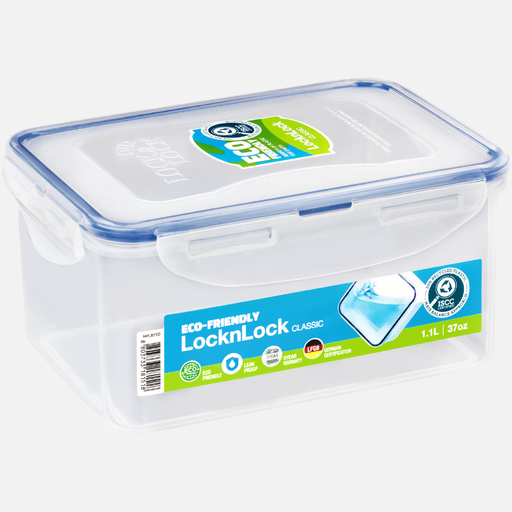
Why we love it: Perfect for meal prep enthusiasts who take their lunch on the go. Its light weight and legendary leak-proof seal make it the ideal companion for lunches at the office or on the move.
Its four-sided locking system and hollow silicone seal avoid the "fake airtight" trap. The air and liquid seal is flawless, even in a backpack.
Made from BPA-free polypropylene, it's lightweight, durable, and microwave-safe (without the lid) for quick and easy reheating.
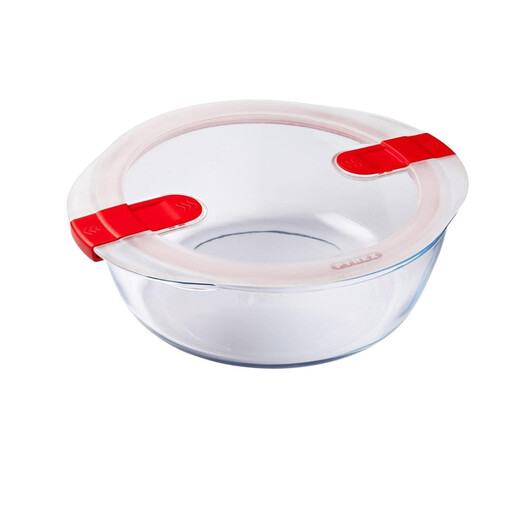
Why we love it: The Swiss Army knife of family kitchens. Its large capacity (2.3 L) is perfect for cooking a casserole, storing leftovers, and reheating them the next day. A true all-in-one.
Its borosilicate glass body resists stains and absorbs no odours, avoiding the pitfall of materials that age poorly. It remains neutral and hygienic, year after year.
Its extreme versatility: it goes from the oven (without the lid) to the freezer. The lid features a steam vent for safe reheating in the microwave.
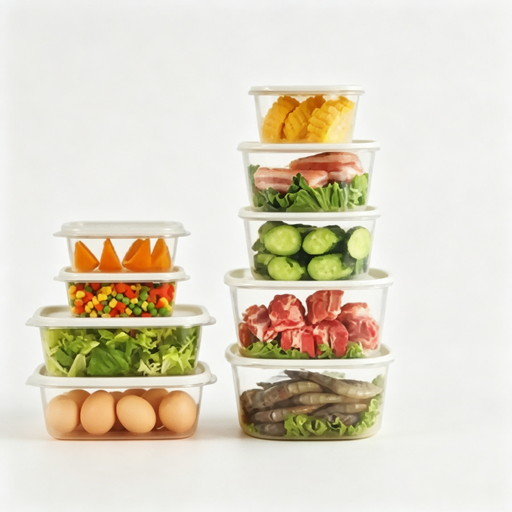
Why we love it: The perfect solution to get fully equipped without breaking the bank. This set offers a variety of sizes for all everyday uses.
This set is designed to be perfectly stackable, solving the storage puzzle and optimising space in both the fridge and cupboards.
Unbeatable value for money for a starter set. The containers are microwave and freezer safe, offering excellent versatility.
Discover our full selection of products that meet our demanding selection criteria and current safety standards.
Absolutely not! It is imperative to check that the container is marked "microwave-safe" or has the corresponding symbol. Always remove the lid before reheating to prevent pressure build-up. Also, avoid reheating very fatty or sugary foods, which can reach extreme temperatures and damage the plastic.
For plastic lids and silicone seals, prefer washing them in the top rack of the dishwasher to avoid heat-related warping. Make sure all parts are completely dry before reassembling. Pro tip: store the containers with the lid simply placed on top, without latching it. This preserves the elasticity of the seal.
It's all about resistance to thermal shock. Borosilicate glass can withstand significant temperature changes, which allows you (with some precautions) to move a dish from the fridge to the oven. Standard glass, like your drinking glasses, would shatter under such thermal shock. It's this property that makes borosilicate glass dishes so versatile in the kitchen.