Managing leftovers, prepping meals in advance, or simply tidying up your cupboards can quickly become a headache. The wrong food storage container can lead to a lunch leaking in your bag, looming food waste, or a kitchen descending into chaos. This guide is here to help you cut through the marketing jargon and choose the model that will genuinely simplify your life.
Key Criteria for Choosing the Right Container
Before you head to the checkout, let's review the key points that will make all the difference in your daily routine.
1. Material?: Glass or Plastic??
This is often the first question that comes to mind. Each material has its own advantages?:
- Glass containers?: Known for their durability and non-porous nature, glass containers don't retain odours or stains (goodbye, tomato sauce or curry marks!). Most borosilicate glass models can go straight from the freezer to the oven (without the lid) and into the microwave, making them incredibly versatile. Perfect for reheating your office lunch directly in the dish. However, their two main weaknesses remain their weight and fragility.
- Plastic containers?: Lighter and less fragile, plastic is the champion of portability. Modern, BPA-free models ensure safe everyday use. Often more budget-friendly, they stack beautifully, becoming a true ally for an effective kitchen organiser. Just remember to check their compatibility with the microwave and dishwasher.
2. The Seal?: The Secret to Successful Food Preservation
An airtight container is non-negotiable for keeping food fresh and preventing disasters in your bag. Several locking systems compete on the market?:
- Lids with locking clips?: These generally offer an excellent seal thanks to a silicone gasket and four locking points. It's a reliable system for saucy dishes or soups.
- Screw-on or press-on lids?: Simple and effective, they are common on round containers or jars intended for dry food storage.
- "Flip-Top" systems?: Some lids feature flaps for easy opening, which are particularly useful for pouring cereals or legumes.
3. Size and Shape?: Optimising Space and Use Cases
Think about how you'll use them. A set of food containers in various sizes is a real plus, adapting to everything from small snacks to family-sized meals. Rectangular or square shapes are much easier to organise in a fridge or cupboard than round ones. For a lunch box, opt for a size suitable for a single portion, ideally with compartments to separate different foods.
Recommended Food Storage Containers
We've selected a few standout models for you, each tailored to a specific need: meal prep, organisation, or transport.
JORDAN&JUDY Set of 3 Rectangular Containers
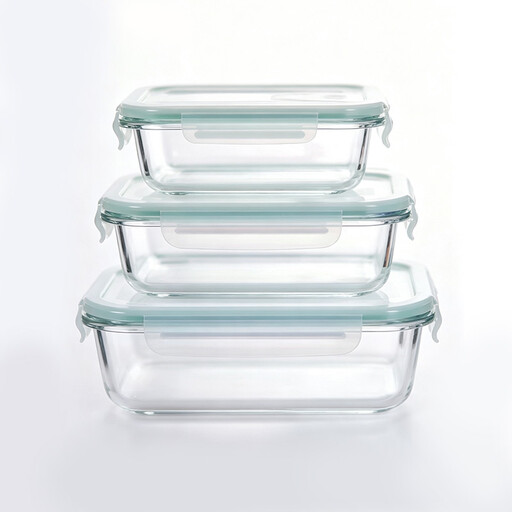
- What sets it apart?: This set stands out with its "Flip-Top" lid system, which makes opening and closing a breeze. It offers three complementary sizes (370?ml, 640?ml, 1040?ml), covering most daily needs from small snacks to full meals.
- Key features?:
- Versatile set?: Three sizes to accommodate different portions.
- Convenient lids?: The "Flip-Top" system is easy to handle.
- Stackable?: Designed to optimise storage space.
- Best for?: Those just starting with meal prep or looking for a versatile starter kit to store daily leftovers.
JORDAN&JUDY 10-Piece Borosilicate Glass Container Set
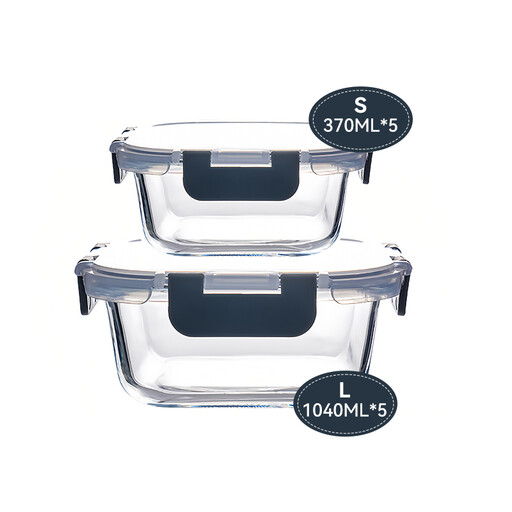
- What sets it apart?: This comprehensive 10-piece set is made from high-resistance borosilicate glass, a material known for its excellent thermal shock resistance. The clip-lock system promises a foolproof seal.
- Key features?:
- Durable material?: The glass won't stain or absorb odours and can go from the freezer to the oven (without the lid).
- Large capacity?: The set includes five 1040?ml and five 370?ml containers, perfect for prepping a full week's worth of meals.
- Secure closure?: The clip-on lids with silicone gaskets are your guarantee against leaks.
- Best for?: Families and "batch cooking" enthusiasts who prioritise the durability and hygiene of glass for their office lunch box or home storage.
JORDAN&JUDY Dry Food Storage Organiser
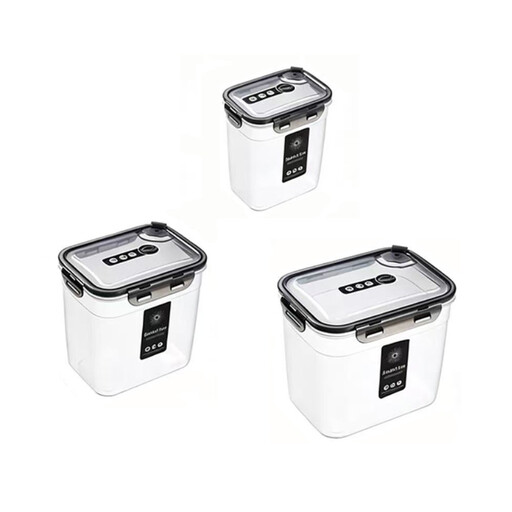
- What sets it apart?: Specifically designed for dry food storage, this set of three large-capacity containers (1.4?L, 2.5?L, 3.8?L) is a great ally for kitchen organisation. Their transparent design lets you see the contents and remaining levels at a glance.
- Key features?:
- Large capacities?: Perfect for storing flour, sugar, pasta, rice, or cereal.
- Airtight design?: The lid protects against moisture and pests, preserving the freshness of your food.
- Space-saving?: Their rectangular, stackable shape maximises space in cupboards or on shelves.
- Best for?: Anyone looking to bring order to their pantry and keep their dry goods in optimal condition.
Looking for Other Storage Options??
Storage needs don't stop at the kitchen. To organise snacks, toys, or school supplies for the little ones, there are solutions designed just for them.
? Discover our selection of kids' storage boxes to find colourful and practical options.
Frequently Asked Questions (FAQ)
1. How do I remove stubborn odours from a plastic food container??
To neutralise odours, fill the container with a mixture of warm water and white vinegar (or baking soda), let it sit for several hours, then rinse. Letting the container air dry without its lid is also an excellent trick.
2. Are glass containers really a better option than plastic ones??
There's no single answer; it all depends on your needs. Glass is unbeatable for its non-porous nature (zero stains, zero odours), durability, and versatility (oven, freezer). Plastic, on the other hand, is lighter, cheaper, and less fragile, making it the king of portability. Ultimately, it's a matter of priorities: convenience and budget for plastic, or durability and hygiene for glass.
3. Can you freeze food in any airtight container??
Yes, most food storage containers, both glass and plastic, are freezer-safe. However, it's always a good idea to check the manufacturer's instructions to be sure. Pro tip: never fill the container to the brim (leave 2-3?cm of space), as food expands when it freezes. Note that borosilicate glass is particularly recommended for its resistance to thermal shock.


