
Same-day & Next-day Delivery

Quality Guaranteed

Unlock Your Welcome Offers: FREE Delivery | Up to 80% OFF | Free 30-day JoyPlus trial
Download the APP
A good food storage container can simplify your kitchen routine, reduce waste, and make meal prepping a breeze. The catch?? The market is saturated with products that rarely live up to their promises. Warped lids, plastic that stains after one use with tomato sauce, or a questionable seal are all common disappointments. We'll help you cut through the noise and identify the features that truly make a difference.
Before diving into specific models, it's wise to know the most common let-downs so you don't throw your money away.
For efficient and long-lasting kitchen organisation, focus on these three key points.
The choice of material has a direct impact on use, durability, and hygiene.
The effectiveness of an airtight food container depends primarily on its lid. The most reliable ones combine two key elements?:
To streamline your kitchen organisation and meal prep sessions, check the container's compatibility with your appliances. A model that is freezer, microwave (with clips open or lid off), and dishwasher safe is a huge time-saver. Some glass models can even go in a conventional oven, allowing you to cook, store, reheat, and serve all in the same dish.
Here are a few options that check all the boxes for durability and practicality, tailored for specific needs.
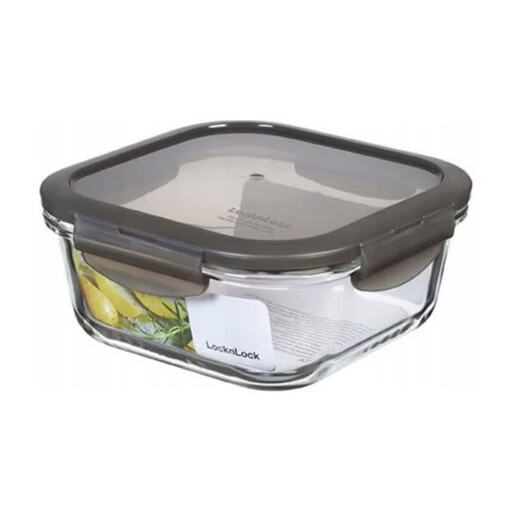
The Ideal User : Perfect for those who prep their meals for the week. Its versatility allows you to bake a casserole in the oven, store it in the fridge, and then reheat it in the microwave at the office—all in the same container.
The borosilicate glass won't stain or retain odours, even with saucy dishes. The 4-clip locking system ensures a truly airtight seal, preventing leaks.
Oven-safe up to 400 °C (without the lid), offering maximum versatility from cooking to storage.
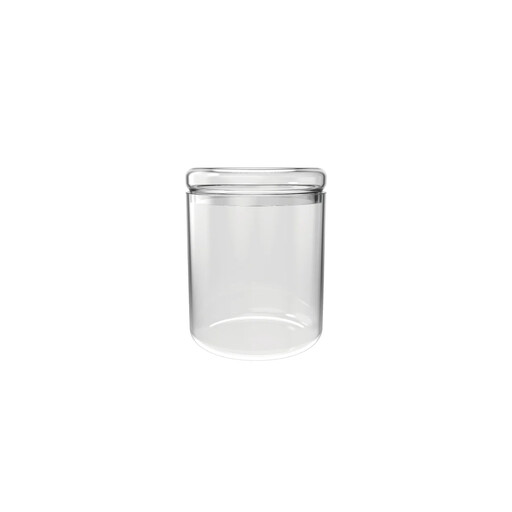
The Ideal User : Perfect for storing dry goods (pasta, rice, lentils, coffee beans). Its clean, transparent design lets you see the contents at a glance and adds a decorative touch to your shelves.
The airtight lid effectively protects against moisture and air, preserving the freshness of dry ingredients. The non-porous glass guarantees that no odours will be retained.
Its transparent design and durable material make visual pantry organisation easy and elevate your kitchen's look.
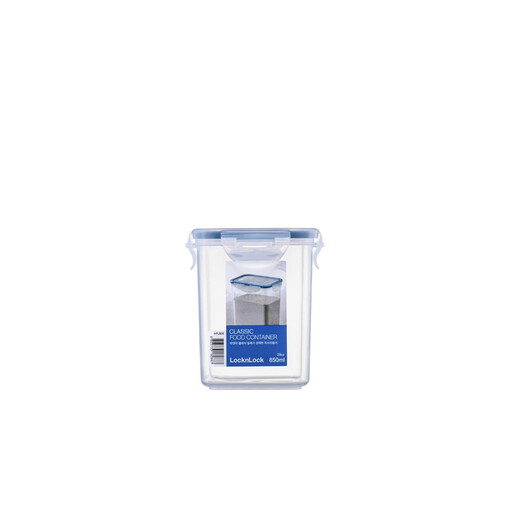
The Ideal User : The ultimate reliable and versatile solution for storing leftovers, packing a *lunch box*, or keeping ingredients. Its lightweight design makes it an excellent choice for daily transport.
Its 4-clip locking system is a reliable choice, avoiding the common pitfall of failing lids. The polypropylene plastic is food-grade and guaranteed BPA-free.
Excellent value for money. Its 100% leak-proof seal (for both air and liquids) is a verifiable feature that delivers on its promise long-term.
Discover our full selection of products that meet our strict selection criteria as well as French and European safety standards.
No, this is a very bad idea, as thermal shock must be avoided at all costs. Moving a container directly from freezing temperatures (-20?°C) to intense heat (180?°C) could cause the glass to shatter, even if it's borosilicate. The smart move?? Let the dish return to room temperature for a few minutes, or place it in a cold oven before you start preheating.
Ideally, you should remove the seal from the lid after each use, or at least once a week. Wash it by hand with hot water and dish soap, and feel free to use a small brush to clean the crevices thoroughly. Crucially?: make sure the seal and its groove are completely dry before reassembling.
The "BPA-free" label indicates that the product does not contain Bisphenol A. This is now the standard for quality food-grade plastics. However, it's still wise to follow the manufacturer's recommendations, especially for microwave use. Avoid heating very fatty or sugary foods at high power in plastic containers, as extreme temperatures could degrade the material. For cooking or thorough reheating, glass remains the safest material by far.