
Livraison le jour même ou le lendemain

Qualité garantie

Débloquez vos offres de bienvenue: Livraison GRATUITE | Jusqu'à -80 % | 30 jours d'essai gratuits à JoyPlus
Téléchargez l'application
A good food storage container can be a game-changer in your kitchen: it makes meal prep easier, reduces food waste, and keeps your food fresh. However, the market is saturated with options and often-misleading claims. A lid that warps from heat, a questionable seal that ruins the contents of your bag, or plastic that stains after the first tomato sauce?— these everyday frustrations are, however, avoidable.
As a product expert at Joybuy, my mission is to help you cut through the noise. Let's forget the marketing jargon and get straight to the point: what criteria really matter? Here are the three most common pitfalls and, more importantly, how to avoid them.
To ensure you never make a mistake again, keep these three points in mind before every purchase.
Each material has its pros and cons for specific uses.
For a foolproof seal, the winning combination is a four-clip lid with a removable silicone gasket. This is the most reliable system. It provides uniform pressure that keeps air out and liquids in. A non-negotiable feature for anyone who transports their meals.
Consider all your needs. Do you need containers for freezing meals, reheating in the microwave, baking in the oven, or simply organising your pantry? A set of food storage containers in different sizes (and sometimes materials) often proves to be more economical and versatile. Always check the icons indicating compatibility (freezer, dishwasher, microwave, oven) to avoid unpleasant surprises.
To see how this translates in practice, here are a few products that meet specific needs.
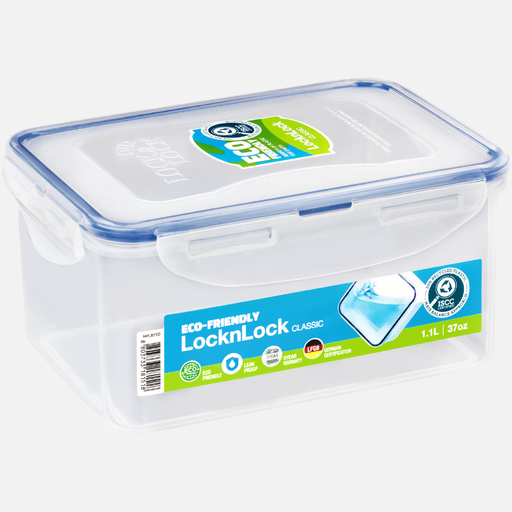
Why we chose it: Perfect for taking lunch to the office or on the move. It's lightweight, BPA-free, and easy to slip into a bag, but its main advantage is the locking system that built the brand's reputation for being leak-proof.
Its patented four-clip system and silicone gasket guarantee a perfect seal. Goodbye to the leaky lid trap!
Perfectly leak-proof: Ideal for soups and saucy dishes. Versatile: Freezer, microwave (without lid), and dishwasher safe.
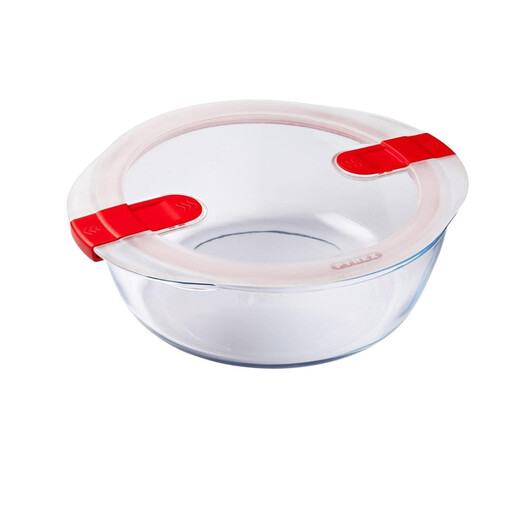
Why we chose it: The ultimate family-size container. You can cook, store, and reheat large portions all in the same dish. Its borosilicate glass goes from the oven to the table, then to the fridge. An all-in-one, healthy, and ultra-practical solution.
Its lid features a steam vent, allowing for safe microwave reheating without removing it. No more splatters or risk of warping!
Healthy and durable material: The glass won't scratch, stain, or absorb any odours. Extreme versatility: Withstands temperatures from -40°C to +300°C (without lid).

Why we chose it: The perfect alternative to plastic and glass for those who prioritise durability above all. The 316 stainless steel is a superior grade that is lightweight, unbreakable, and perfectly hygienic.
As an inert material by nature, stainless steel eliminates any worries about chemical components (BPA and others). It doesn't degrade over time or with use.
Unbreakable and lightweight: Perfect for picnics, camping, and daily use, with no fear of breakage. Impeccable hygiene: Doesn't retain stains, odours, or bacteria.
We have selected a full range of products for you that meet our quality criteria and the strictest safety standards.
It all depends on the material. A well-maintained glass container or stainless steel container can last for years, or even a lifetime. Plastic containers, even high-quality ones, have a more limited lifespan: they eventually get scratched, stained, or warped, especially with repeated use in the microwave and dishwasher.
Absolutely not! This is a crucial point to check. Only borosilicate (heat-resistant) glass is designed to withstand the heat of an oven. Regular glass (soda-lime) could suffer from thermal shock and shatter. Always check the icons or the product's technical specifications.
The secret is to clean the lid thoroughly. Remove the silicone gasket and wash both parts separately with hot, soapy water. This is the best way to eliminate trapped food residue, which is often the source of bad odours. Let the gasket and lid dry completely before reassembling them to prevent any mould growth.