
Same-day & Next-day Delivery

Quality Guaranteed

Unlock Your Welcome Offers: FREE Delivery | Up to 80% OFF | Free 30-day JoyPlus trial
Download the APP
A well-organised kitchen starts with well-thought-out storage. Yet, choosing the right food storage container can quickly become a headache. Between broken promises of airtight seals, materials that degrade, and overflowing cupboards, it's easy to make the wrong choice. The goal isn't just to tidy up, but to preserve the freshness of your food, reduce waste, and streamline your kitchen routine.
Before you start shopping, here are the most common pitfalls to avoid so you don't regret your purchase:
To make the right decision, focus on a few technical details that make all the difference. A good food storage container is a long-term investment.
The choice of material is crucial and depends entirely on how you plan to use it.
Airtightness is the number one mission of a good storage container. A lid that simply rests on top or clips on two sides is not enough. The most reliable systems combine two elements:
For optimal storage in the fridge or cupboards, opt for square or rectangular shapes. They fit together without wasting space, unlike round containers. A good food container set should offer different sizes with compatible base dimensions, allowing them to be stacked in a stable and secure manner.
We have selected a few gems for you that meet specific needs, taking into account our criteria for quality and practicality.
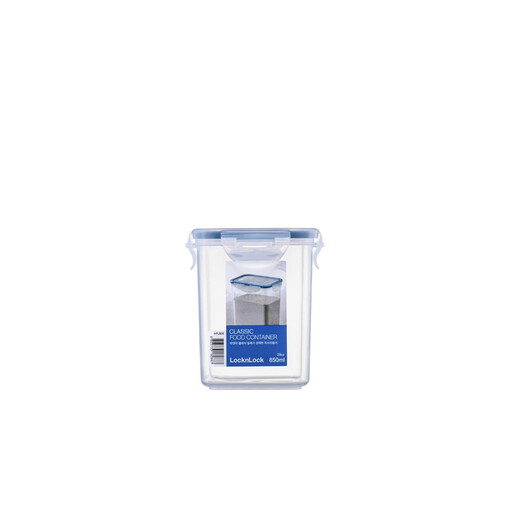
Why we chose it: Ideal for taking lunch to the office. Made of polypropylene, it's very lightweight, while its 850ml rectangular shape is perfect for a full meal. It's freezer, microwave, and dishwasher safe: a true all-rounder.
Its four-clip locking system and silicone gasket ensure a foolproof seal. No more sauce leaks in your bag! It's a truly airtight food container.
Its versatility (freezer, microwave, dishwasher) and light weight make it the perfect everyday ally.
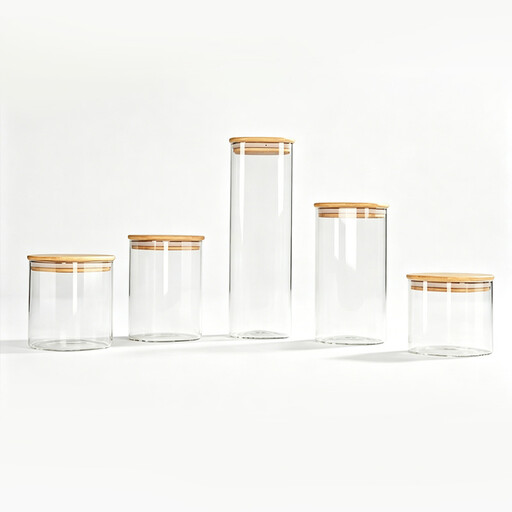
Why we chose it: This food container set is designed for those who want to combine aesthetics and functionality for their dry goods. The transparent glass lets you see the contents at a glance, and the wood-effect lids add a warm, decorative touch to the kitchen.
It sidesteps the "wrong material" trap by using glass, which is ideal for long-term dry food storage as it doesn't alter taste or stain. The set of 5 different sizes offers a complete solution for organising everything.
A uniform and elegant design for a perfectly organised pantry. Glass is a healthy and durable material for storage.
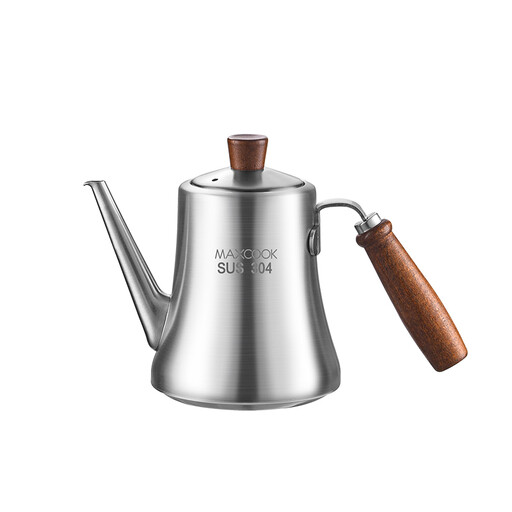
Why we chose it: This oil dispenser is the solution for anyone tired of greasy bottles and sticky countertops. Its stainless steel design protects the oil from light, while its drip-free spout allows for precise pouring.
It solves the problem of containers not suited for liquids. The "eagle beak" spout is designed to stop drips in their tracks, a major flaw of standard bottles. The opaque stainless steel protects the oil from light-induced oxidation.
Clean and controlled pouring. The 304 stainless steel oil dispenser construction is durable, hygienic, and preserves the oil's flavour.
Find our complete and updated selection of products that meet our demanding selection criteria and current safety standards.
Both are possible, but with a few precautions. Polypropylene (PP) plastic is often more recommended because it is lighter and won't shatter if dropped. If you opt for glass, make sure it is borosilicate glass, which is much more resistant to temperature changes. In any case, always leave some empty space at the top of the container (2-3 cm) to allow the contents to expand during freezing and, most importantly, do not move the jar directly from the freezer to a hot oven.
To ensure a lasting seal and perfect hygiene, it is advisable to remove the gasket from the lid from time to time to clean it separately. Wash it with warm, soapy water, rinse it well, and make sure it is completely dry before putting it back in its groove. This simple habit prevents mould growth and extends the life of your container.
The "BPA-free" label means that bisphenol A, a controversial chemical compound, was not used in the manufacturing of the plastic. In Europe, materials intended for food contact are governed by very strict regulations, such as Regulation (EU) No 10/2011, which sets migration limits for many substances. Choosing products from recognised brands that display their compliance with these standards is a guarantee of safety, ensuring the quality and harmlessness of the product.