
Livraison le jour même ou le lendemain

Qualité garantie

Débloquez vos offres de bienvenue: Livraison GRATUITE | Jusqu'à -80 % | 30 jours d'essai gratuits à JoyPlus
Téléchargez l'application
As a product expert at Joybuy, I see countless food storage containers. And one frustration comes up time and again: investing in a set that disappoints after just a few weeks. A lid that warps, sauce that leaks into your bag, or a plastic dish permanently stained by a simple tomato sauce... Sound familiar?
Yet, choosing the right food storage container shouldn't be such a headache. The problem often stems from vague marketing promises and technical details that are mistakenly dismissed as insignificant. Before you buy, here are the most common pitfalls to avoid:
To avoid falling into these traps, let's focus on the objective criteria that make a real difference day to day.
Instead of relying on marketing, let's scrutinize the features that truly matter, whether you're looking for a portable lunch box, a glass dish with a lid for the oven, or a food storage container set to optimize your fridge.
The choice of material dictates the use, durability, and maintenance of your containers. It's the starting point.
A truly reliable airtight container rests on two pillars: its locking mechanism and its gasket.
The true value of a food container is measured by its ability to fit into your daily routine. Always check the pictograms and manufacturer's recommendations for the following uses:
To illustrate how these criteria translate in practice, here is our selection for different user profiles.

Why we love it: This set is perfect for organizing a week's worth of meals. With its two sizes (1040 ml and 370 ml), it allows you to separate main dishes and sides. The glass ensures optimal preservation and healthy reheating.
Its borosilicate glass body is resistant to both sauce stains and odours. Its sturdy clip-on lids provide a truly reliable seal, a far cry from the disappointments of entry-level containers.
A complete food storage container set for a uniform, stackable solution. Ideal for optimizing space in the fridge and freezer.
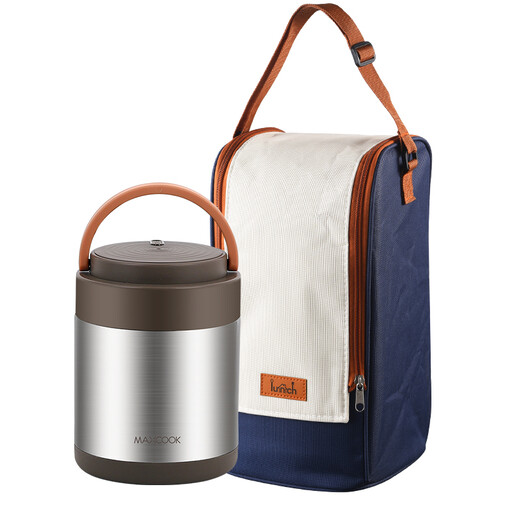
Why we love it: Ideal for bringing soup, a saucy dish, or chili to the office and enjoying it hot, without needing a microwave. Its vertical design and leak-proof seal are tailored for transport.
Unlike classic clip-on containers, its screw-on lid with a thick gasket is specifically designed to transport liquids risk-free. Goodbye to the "false seal" trap.
Its double-walled, vacuum-insulated 304 stainless steel construction maintains the temperature (hot or cold) for hours. A real bonus for lunches away from home.

Why we love it: Its large 2-litre capacity is perfect for storing leftovers from a family meal, preparing a casserole in advance, or storing a large salad. It's the ultimate versatile format for everyday cooking.
Its borosilicate glass dish is oven-safe up to 400 °C (without the lid). This means you can cook, store, and reheat in the same container. No more extra dishes or risky transfers.
Its large 2-litre volume and total versatility (freezer, fridge, microwave, and oven) make it a true cornerstone of kitchen organization.
Explore our full selection of products that meet our strict selection criteria and current safety standards.
No, that's a very bad idea. Even highly resistant borosilicate glass can crack under such an extreme thermal shock. To be safe, let the dish thaw for a few hours in the refrigerator, or at the very least, wait until it returns to room temperature before putting it in the oven.
The best habit to get into is to gently remove the gasket from the lid after each use. Wash it by hand with hot, soapy water. For a deep clean, occasionally soak it in a mixture of water and white vinegar. Make sure it is completely dry before putting it back in place.
Yes, food-grade plastics that are certified BPA-free and display the microwave-safe pictogram are designed for safe reheating. However, we recommend reheating at medium power and avoiding direct contact with very fatty or sugary foods, as they can reach extreme temperatures and damage the plastic over time. For actual cooking, glass remains the healthiest and most neutral option.