
Livraison le jour même ou le lendemain

Qualité garantie

Débloquez vos offres de bienvenue: Livraison GRATUITE | Jusqu'à -80 % | 30 jours d'essai gratuits à JoyPlus
Téléchargez l'application
A good food storage container promises a more organised kitchen, less waste, and meals prepped in a flash. Yet, there's often a world of difference between marketing claims and reality. Who hasn't cursed at a lid warped in the dishwasher, a salad dressing leaking into a backpack, or plastic permanently stained by bolognese sauce? These everyday frustrations are annoying and end up being costly.
To avoid disappointment, here are the two main pitfalls to watch out for before you buy:
This guide is here to help you decode the labels and invest in a reliable, long-lasting product.
To make the right choice, three criteria must be carefully examined: the material, the sealing system, and versatility.
The choice of material has a direct impact on your container's durability, food safety, and usability.
The true seal of an airtight container depends on two things: the quality of its gasket and the effectiveness of its locking system.
To make your daily life easier, nothing beats a versatile container.
Here are a few options that meet specific needs, taking into account our criteria for quality and practicality.
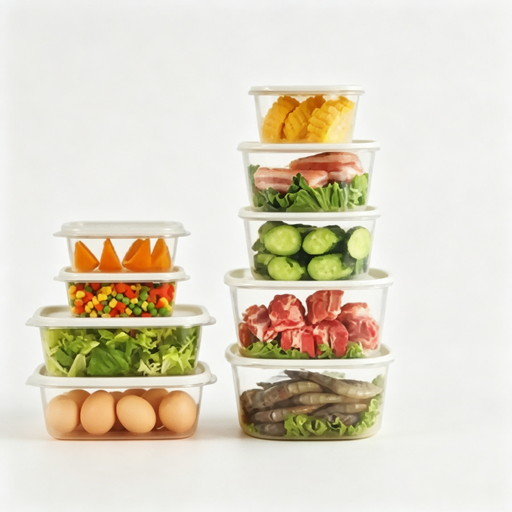
Why we chose it: Perfect for meal prep enthusiasts who plan their week's meals. This set of food storage containers offers multiple sizes to fit all your dishes and portions.
This set focuses on versatility (microwave, freezer, dishwasher), sidestepping the trap of fragile containers with limited use. The locking system is designed for repeated use.
A complete and affordable kit to get started with meal prep. Its different sizes make it easy to store in the fridge or pack in a lunch bag.

Why we chose it: The solution for those who want to ditch plastic for a healthy and virtually indestructible material. Stainless steel is lightweight, durable, and resists both stains and odours.
Unlike plastic that stains and warps, the 316 stainless steel of this container guarantees rock-solid durability. It's a long-term investment that won't lose its quality.
316 stainless steel is a food-grade standard, highly resistant to corrosion. These stackable containers optimise space and are perfectly freezer-safe.
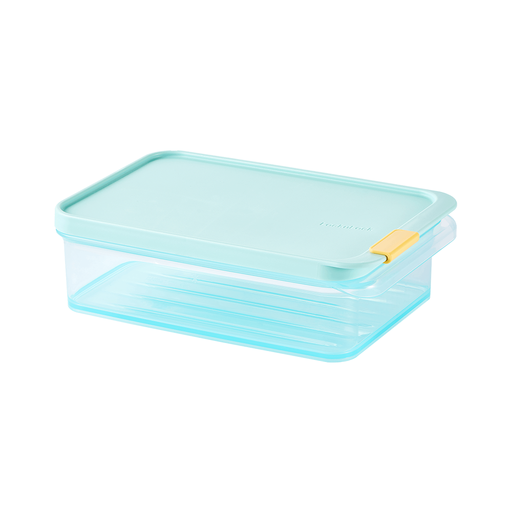
Why we chose it: Specially designed to optimise every square inch of your freezer. Its modular, stackable design puts an end to the chaos in your freezer drawer.
This freezer container is made from a BPA-free polypropylene designed to withstand freezing temperatures without cracking—a common weakness of low-end plastics.
Its modular stacking system, with indented lids, is a real space-saver. The added bonus: clips for labels, perfect for noting the contents and freezing date.
Discover our full selection of products that meet our quality criteria and food safety standards.
It all depends on the material and the sturdiness of the seal. A quality glass container or stainless steel one will last you for years. For plastic, it all comes down to the strength of the clips and the durability of the silicone gasket over time. Proper care, like avoiding abrasive cleaners, also extends their lifespan.
Absolutely not. Always check for the "microwave-safe" symbol on the container or its packaging. It is also advisable to choose BPA-free plastics. When reheating, never seal the lid completely: let the steam escape to avoid a pressure build-up that could warp the container.
For an effective clean, wash the container and its lid with hot, soapy water or in the dishwasher if compatible. The foolproof tip: remove the silicone gasket from the lid to clean it separately. This is where residue hides and mould can grow. Let all parts air dry completely before reassembling. No more musty smells