
Livraison le jour même ou le lendemain

Qualité garantie

Débloquez vos offres de bienvenue: Livraison GRATUITE | Jusqu'à -80 % | 30 jours d'essai gratuits à JoyPlus
Téléchargez l'application
A good food storage container can streamline your kitchen routine, preserve food freshness, and reduce waste. However, the market is flooded with products that often fail to deliver on their promises. A lid that leaks in your bag, plastic that warps after one trip to the microwave, or a set of containers in sizes you'll never actually use: these frustrations are all too common. To help you cut through the noise, we've identified the pitfalls to avoid and the essential criteria to check before you buy.
To avoid buyer's remorse, here are the most common issues to watch out for.
To make the right choice, focus on a few technical details that make all the difference in quality and durability.
Each material serves a specific need.
Airtightness depends on two crucial elements: the silicone seal and the locking mechanism. A thick, removable seal will not only be more durable but also easier to clean. Opt for locking systems with four side clips, which ensure uniform pressure and a much more secure hold than a simple snap-on lid.
Always check the pictograms to see if the container (and its lid) is:
One container to do it all: store, freeze, transport, and reheat. That's the key to effortless use and streamlined kitchen organisation.
To put theory into practice, here are a few products that tick all the right boxes, suited for different needs.

Why we chose it: Perfect for organising your meals for the week. The borosilicate glass allows you to go from the fridge to the microwave without damaging the container or altering the taste of your food. The clip-on lids ensure an excellent seal.
This set avoids the "useless sizes" trap by combining five large 1040 ml containers, perfect for full meals, and five smaller ones (370 ml) for sauces or snacks.
Its superpower: the borosilicate glass withstands thermal shock and isn't afraid of tomato sauce or curry. No more stubborn stains!

Why we chose it: The solution for those who want a hot lunch at the office, even without a microwave. Its vacuum-insulated double-wall construction maintains the temperature (hot or cold) for several hours.
There are no false promises here. This thermos meets a specific need (keeping food hot) with the right technology (vacuum insulation), avoiding the "wrong material" trap.
The 316 stainless steel is durable, lightweight, and food-grade. Its wide mouth makes filling, serving, and, most importantly, cleaning easy.
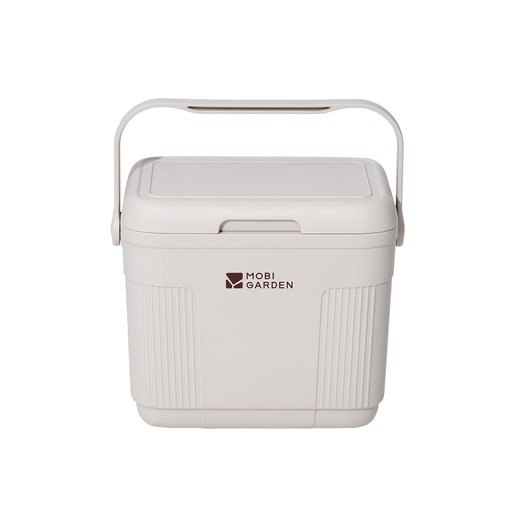
Why we chose it: A must-have for family picnics, beach days, or camping trips. This **portable cooler** is designed for long-lasting insulation thanks to its polyurethane foam layer and airtight seal.
Unlike a simple container, this is a specialised piece of gear. Its robust design and high-density insulation are built for the outdoors, sidestepping the broken insulation promises of low-end products.
Its generous 22-litre volume easily holds drinks and meals for the whole family. Its food-grade PP inner lining even allows you to place food inside without packaging.
Explore our full selection of products that meet our quality criteria and current safety standards.
A good indicator is the presence of a removable silicone seal and a four-clip locking system. The ultimate test: fill the container with water, close it, and shake it vigorously over the sink. If not a single drop escapes, it's ready to transport your soups and saucy dishes.
Yes, especially for uses involving significant temperature changes (from freezer to microwave). Borosilicate glass is specifically designed to withstand thermal shock better than standard soda-lime glass, which drastically reduces the risk of it cracking or shattering when reheated.
Its longevity depends on frequency of use and care. To preserve it, the secret is to remove it and wash it by hand, separately from the lid. A tip: avoid putting the lid in the dishwasher. The high heat can warp the plastic and its seal, ruining the airtightness over the long term.