
Livraison le jour même ou le lendemain

Qualité garantie

Débloquez vos offres de bienvenue: Livraison GRATUITE | Jusqu'à -80 % | 30 jours d'essai gratuits à JoyPlus
Téléchargez l'application
Choosing the perfect food storage container is often a real headache. Between promises of ultimate freshness and a multitude of materials, it's easy to end up with cupboards full of ineffective containers. Our mission: to help you cut through the noise and make a truly informed choice, far from the siren calls of marketing.
Before we get to our top picks, let's break down the most common pitfalls that turn a good purchase into a disappointment.
To avoid these setbacks, it's essential to focus on a few objective technical criteria.
A good set of food storage containers must tick several boxes. Here are the three points to scrutinise to guarantee the durability, safety, and practicality of your future purchase.
The material influences not only the container's lifespan but also how well it preserves your food.
The airtightness of a food container depends entirely on the quality of its lid and seal.
For your purchase to be truly useful, think in terms of an "ecosystem." A set of food containers with elements that stack perfectly will save you a tremendous amount of space in your cupboards and refrigerator. Finally, always check the compatibility icons:
Rather than searching for a one-size-fits-all container that doesn't exist, it's better to choose based on your specific needs. Here are our recommendations for three distinct uses.
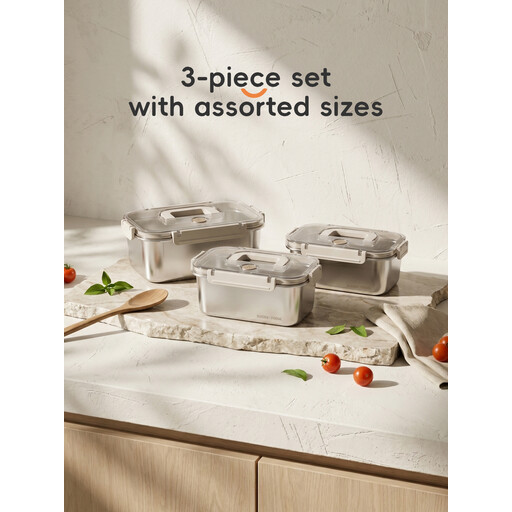
Why we chose it: Ideal for meal prep enthusiasts who prepare their week's meals in advance. Stainless steel is healthy, virtually indestructible, and retains no trace of previous dishes (neither odours nor stains). Perfect for intensive and varied use, from salads to saucy dishes.
Unlike plastic that eventually stains or warps, food-grade 304 stainless steel is built to last for years. Its four-clip locking system ensures an excellent seal for transport.
An ultra-durable and hygienic material. The set of three sizes offers great flexibility for organising your meals.
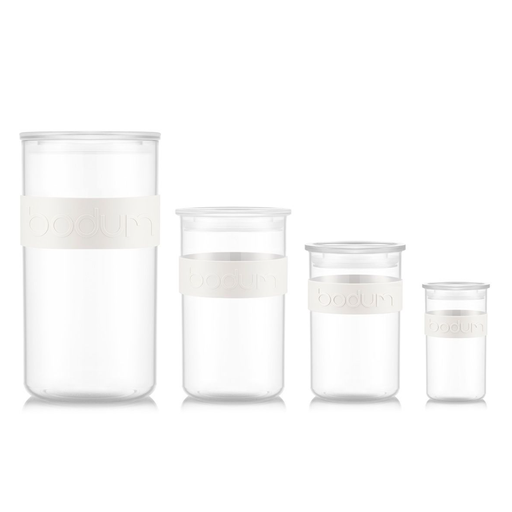
Why we chose it: This ultra-comprehensive set is the ideal solution for organising the entire kitchen, from leftovers in the fridge to dry ingredients in the cupboards. With four different sizes, it covers all the daily needs of a family.
No more headaches from mismatched containers piling up in drawers! This set of food containers is designed to stack and optimise space. The plastic, guaranteed BPA-free, ensures risk-free food contact.
An all-in-one 12-piece solution for maximum versatility. Stackable design guarantees space-saving.
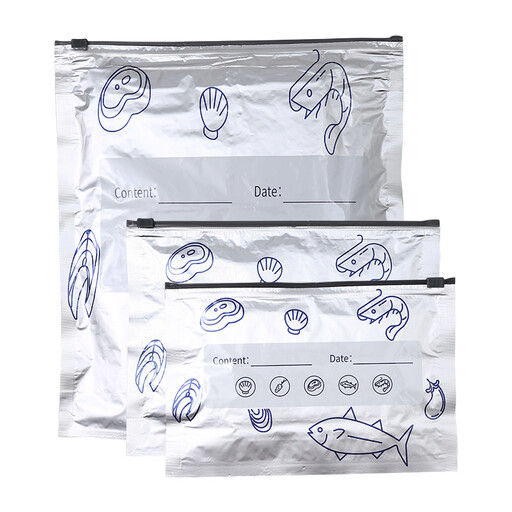
Why we chose it: Essential for those who freeze meat, fish, or homemade meals in large quantities. These bags offer a far superior protective barrier than traditional containers or bags, thanks to their multi-layer structure.
The aluminium foil creates a barrier against light and air, which limits oxidation and the formation of ice crystals that ruin the taste and texture of food (the infamous "freezer burn"). The slider closure is much more reliable than a simple press-to-seal zip.
Maximum protection against oxidation and odours. They are reusable and feature a dedicated area for noting the contents and freezing date.
We have curated a complete selection of products that meet our strict selection criteria and current safety standards.
For a plastic container, baking soda is your best friend. Fill it with hot water, add a tablespoon of baking soda, let it sit for several hours, and then rinse. For the most stubborn odours, another trick is to fill it with crumpled newspaper and leave it closed overnight. Glass and stainless steel, on the other hand, are not affected by this issue.
It all depends on your priorities. The glass container has the advantage of being microwave-safe for reheating at the office. The stainless steel container, being much lighter and unbreakable, is easier to transport, but you'll need to transfer its contents to a plate to reheat them.
No, and this is a crucial point. It is imperative to choose plastic containers labelled as "BPA-free". Bisphenol A is a suspected endocrine disruptor that can leach into food, especially when heated. Prioritise plastics identified by recycling codes 2 (HDPE), 4 (LDPE), or 5 (PP), which are considered the safest for food use.