
Livraison le jour même ou le lendemain

Qualité garantie

Débloquez vos offres de bienvenue: Livraison GRATUITE | Jusqu'à -80 % | 30 jours d'essai gratuits à JoyPlus
Téléchargez l'application
Finding the perfect food storage container can quickly become a headache. Between promises of absolute seals and materials with baffling names, it's easy to get lost and end up with buyer's remorse. A lid that warps in the heat, sauce leaking into your bag, or stubborn tomato stains: these everyday kitchen mishaps are, however, avoidable.
Our mission? To help you cut through the noise. Let's forget the marketing jargon and focus on what really matters. This guide breaks down the common pitfalls and steers you toward the best choice for your daily routine, whether you're looking for the perfect meal prep container or a solution for storing dinner leftovers.
Before you make a decision, keep these deal-breaking flaws in mind, which can render a container useless in just a few months.
To avoid these disappointments, focus on three key points.
The choice of material is crucial. It determines the container's use, durability, and ease of maintenance.
The seal's effectiveness depends entirely on the locking mechanism. The most reliable systems combine two key elements:
A good storage container should adapt to your daily life. Always check the compatibility pictograms:
Also, think about organisation. Stackable or modular models are a huge plus for optimising space in your cupboards and refrigerator, especially if you invest in a food storage container set.
Rather than an endless list, here are our targeted recommendations for specific uses.
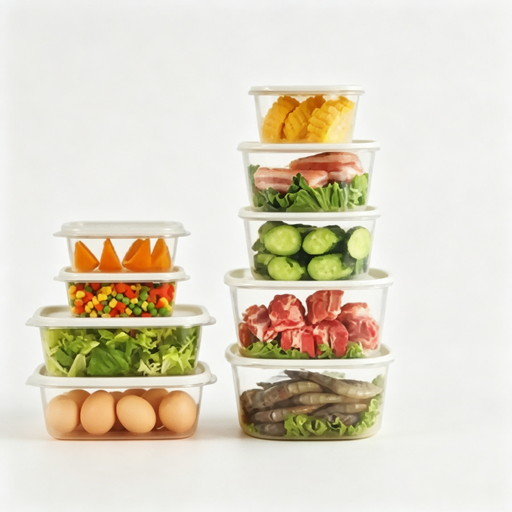
Why we chose it: To get started with meal prep, you need variety. This set offers multiple sizes to accommodate all kinds of dishes, from salads to snacks. Its stackable design is a real plus for a well-organised fridge.
No more mismatched containers that don't stack! This set provides a complete, storage-optimised solution right from the start.
A complete starter kit with airtight containers that are microwave and freezer safe. An excellent balance of quantity and versatility.

Why we chose it: Perfect for casseroles, lasagnas, and other family meals. Its large 2.3L capacity lets you cook for everyone, store leftovers in the fridge with its airtight lid, and then reheat everything in the microwave thanks to the steam vent.
It solves the compatibility puzzle. The borosilicate glass dish is oven-safe, while its vented lid is specifically designed for the microwave. No risk of warping.
All-in-one versatility: cook, store, transport, and reheat in a single dish. It simplifies kitchen logistics and reduces the chore of washing up.
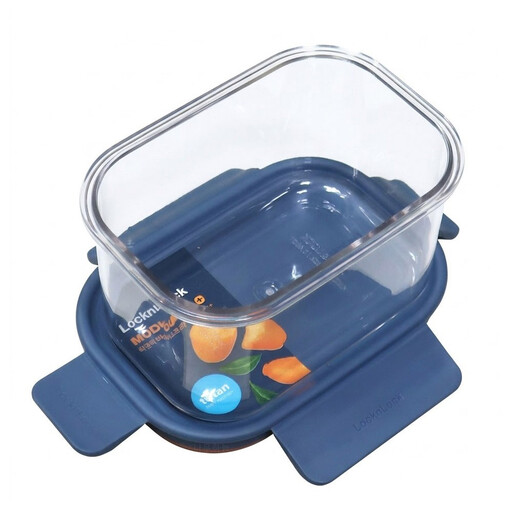
Why we chose it: For those who pack a lunch, being lightweight and leak-proof are non-negotiable. This compact, BPA-free plastic model is a featherweight, and its four-clip locking system with a silicone gasket is designed to prevent any leaks in your bag.
It debunks the myth of the "fake" airtight container. Its four-clip locking mechanism is a benchmark for reliability, allowing you to transport liquids stress-free.
Its modular design allows you to stack and nest containers from the same range. A welcome space-saver in small cupboards or backpacks.
Explore our full selection of products that meet our strict selection criteria and current safety standards.
For plastic containers, avoid microwaving very greasy or sugary foods at full power, as this can damage the plastic. For all containers, remember to wash the silicone gasket separately by hand from time to time for a thorough clean. Finally, always let each component dry completely before reassembling them for storage.
No, and this is a critical point to watch out for. A plastic lid without a steam vent or an explicit "microwave-safe" label should never go in the microwave: the steam pressure could warp it. Glass or bamboo lids are also not suitable. When in doubt, always remove the lid and use a dedicated microwave cover.
Both options are safe for food contact as long as they comply with current standards. Glass has the advantage of being completely inert and non-porous, which guarantees zero substance migration or odour retention. A high-quality BPA-free plastic (like polypropylene PP5) is also very safe, provided you follow the usage instructions (especially maximum reheating temperatures). Ultimately, the choice will depend more on your intended use (weight, oven cooking) than on a real difference in safety.