
Livraison le jour même ou le lendemain

Qualité garantie

Débloquez vos offres de bienvenue: Livraison GRATUITE | Jusqu'à -80 % | 30 jours d'essai gratuits à JoyPlus
Téléchargez l'application
Finding the perfect food storage container can be a daunting task. Between marketing promises and a jungle of available models, it's easy to end up with a product that just doesn't hold up. A lid that leaks at the bottom of your bag, plastic that stains after one use with tomato sauce, or a design that clutters your cabinets more than it organizes them—these are scenarios we all know too well.
As a product expert at Joybuy, my mission is to help you navigate this landscape. Together, we'll avoid the most common pitfalls and identify the criteria that truly matter to make the right choice. Whether you want to optimize your pantry organization, pack the perfect kids' lunch box, or take your lunch to the office, this guide is for you.
To avoid these disappointments, focus on a few key technical points. They will make all the difference in your daily routine.
The choice of material is crucial. It affects the longevity, hygiene, and versatility of your container.
A lid that seals properly is non-negotiable. Check two things:
Finally, your intended use will dictate the final choice.
To put theory into practice, here is a selection of models that meet specific needs.
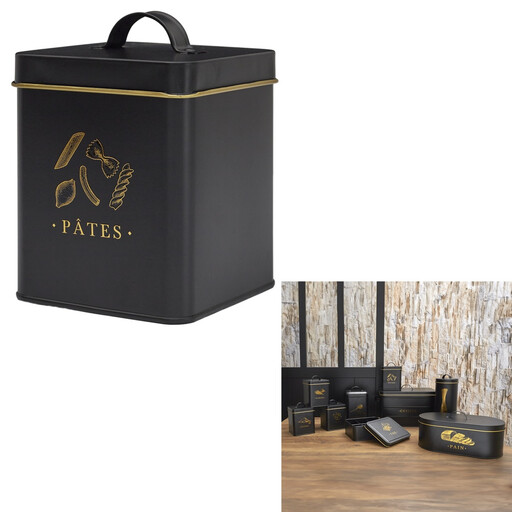
Why we love it: This storage canister combines a refined aesthetic with a specific function. It's designed for those who see pantry organization as an integral part of their style, turning a simple utility item into a true decorative accessory.
It doesn't pretend to be an all-rounder. Its opaque metal design is specifically optimized to protect dry foods from light and moisture, thus avoiding the trap of unsuitable materials.
Robust carbon steel construction and a compact square footprint (11.2 cm), ideal for optimizing shelf space.
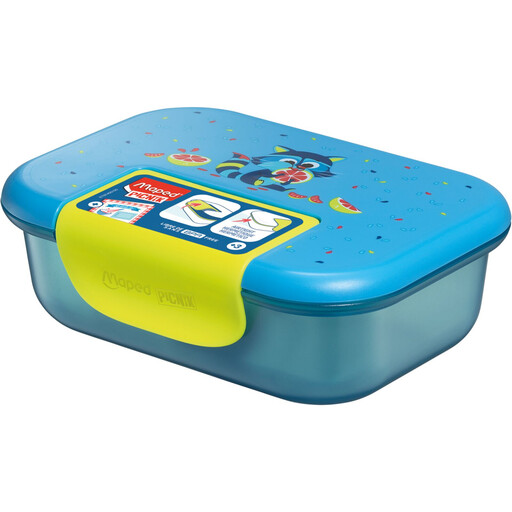
Why we love it: This box is designed with kids' independence in mind. Its stainless steel base can withstand the rough-and-tumble life of a school bag, and its ergonomic details make it easy to use daily at school or on outings.
It tackles impractical design head-on. The large, fluorescent clip is easy to handle, and the attached lid eliminates the risk of losing it—a common problem with kids' containers.
Durable stainless steel base (dishwasher-safe) and an opening system that's easy for little hands to manage.
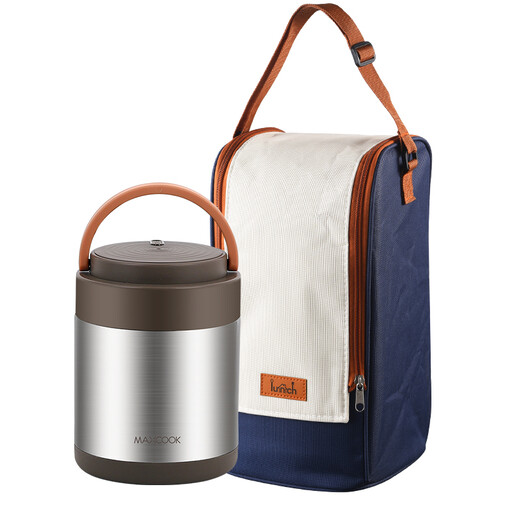
Why we love it: Ideal for meal prep enthusiasts who want a real, hot meal at the office. Its large capacity and insulation technology make it a foolproof solution for a healthy, hot meal, even far from a microwave.
This isn't just a container; it's a true insulated lunch jar. The vacuum insulation provides temperature retention (hot or cold) that single-wall containers can't guarantee.
Vacuum insulation keeps food hot or cold for 4 to 6 hours, and the ultra-practical wide mouth makes it easy to fill, serve from, and clean.
We've compiled a complete, up-to-date list of products that meet our strict selection criteria and safety regulations.
It all comes down to the lid. A good truly airtight food container can be identified by its visible, flexible, and flawless silicone gasket. The locking system should feel firm and apply even pressure all the way around. Models with clips on all four sides are an excellent sign of reliability.
Absolutely not! You should never place a metal or stainless steel object in a microwave oven. Metal reflects microwaves, which can cause sparks and damage your appliance. To reheat your meal, simply transfer the contents to a microwave-safe plate or bowl.
For stainless steel, a simple wash with hot, soapy water is usually enough. If an odor persists (like garlic or onion), let the open container soak for a few hours in a mixture of water and baking soda before rinsing. Don't forget the silicone gasket—often the main culprit where residue and odors like to hide. Finally, let all parts air-dry completely before closing and storing the container to avoid any nasty surprises.