
Same-day & Next-day Delivery

Quality Guaranteed

Unlock Your Welcome Offers: FREE Delivery | Up to 80% OFF | Free 30-day JoyPlus trial
Download the APP
Finding the right food storage container for your needs can quickly become a headache. Between marketing promises and a jungle of materials, it's easy to end up with cupboards full of disappointing containers that just gather dust. Before you make your choice, let's break down the common pitfalls to avoid for a successful purchase.
To avoid these frustrations and invest in solutions that last, let's focus on three technical parameters that truly make a difference.
The choice of material has a direct impact on the use, durability, and maintenance of your containers.
meal prep containers due to their great practicality.A hermetic food container worthy of the name must have a reliable locking system to guarantee a foolproof seal. The best-performing models combine two elements:
A good storage container should fit into your lifestyle. Always check the pictograms or manufacturer's instructions regarding compatibility with:
Rather than searching for a one-size-fits-all model that doesn't exist, it's better to choose your container based on its primary use. Here is a selection of products tailored to specific profiles.
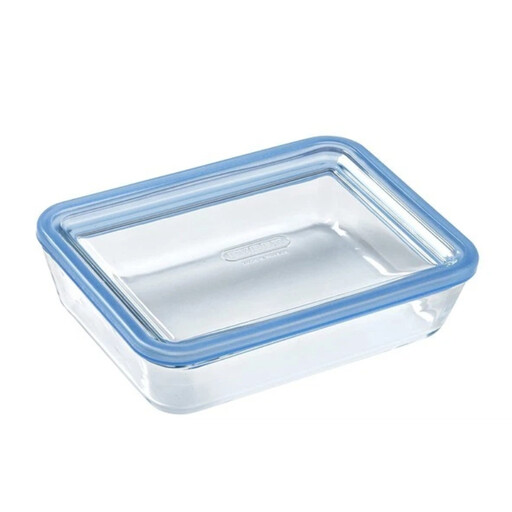
Why this model is perfect for this profile: Ideal for carrying a healthy lunch. Its 0.8 L capacity is perfect for a single portion. The glass allows you to reheat your meal in the microwave without contact with plastic, an essential criterion for those who prioritise healthy materials.
This container is made of borosilicate glass, making it resistant to thermal shock (when used with care). It avoids the pitfall of materials that degrade or stain over time.
Healthy and neutral material that does not alter taste. Highly versatile: freezer, refrigerator, microwave, and oven safe (without the lid).
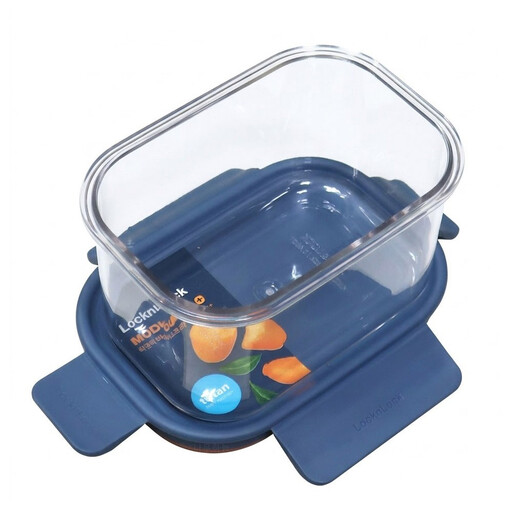
Why this model is perfect for this profile: Prepping a week's worth of meals requires a good deal of organisation. This model is designed to be stacked, optimising space in the refrigerator. Its lightweight and sturdy construction makes it a top choice for a meal prep box.
It directly addresses the problem of leak-proofing. According to the manufacturer, its four-sided locking system and hollow silicone seal ensure a 100% airtight and leak-proof closure, putting an end to spills in your bag.
Modular and stackable design for maximum space saving. Made of lightweight and shock-resistant BPA-free polypropylene.

Why this model is perfect for this profile: This set of stainless steel containers offers three sizes (600 ml, 1100 ml, 2200 ml) to adapt to all daily needs: dinner leftovers, a salad for lunch, or snacks for the kids. Stainless steel is a durable and safe choice for intensive family use.
Stainless steel is unbreakable, unlike glass, and does not warp with heat like some plastics. It won't retain tomato sauce stains or fish odours, ensuring perfect hygiene in the long run.
Highly durable and hygienic material (food-grade 316 stainless steel). The set of three sizes offers great versatility for kitchen organisation.
We have compiled a complete and updated list of products that meet our strict selection criteria and current safety standards.
No, and this is a critical point to watch out for. Only borosilicate glass is designed to withstand the high temperatures of a conventional oven. Soda-lime glass, which is more common and cheaper, would risk shattering from the heat. Always check the manufacturer's specifications. In any case, the plastic or silicone lid should never be put in the oven.
To preserve the gasket's effectiveness, it is advisable to remove it from the lid when cleaning, whether by hand or in the dishwasher. This helps to remove any food residue that might get trapped and prevents mould growth. Make sure the gasket and its groove are completely dry before putting it back in place.
Yes, absolutely. Stainless steel handles low temperatures very well and is an excellent choice for freezing. It is lightweight, won't crack from the cold like glass, and effectively protects food. Just remember not to fill the container to the brim with liquids, to leave the necessary space for expansion during freezing.